



How Long Does a Roof Inspection Take? (Homeowner’s Guide)
When planning home maintenance or a property sale, many homeowners wonder: how long does a roof inspection take? The answer depends on your roof’s size, condition, and the type of inspection performed—but in most cases, it’s faster than you might expect. Roof inspections are a crucial part of protecting your investment, helping you detect issues early, avoid costly repairs, and ensure your home stays safe year-round.
This guide covers:
- Typical timeframes: How long most inspections take from start to finish
- What affects duration: Factors that make some inspections longer
- Inspection process: What happens during each phase
- Efficiency tips: How homeowners can prepare in advance
- Professional insight: Why thorough inspections are worth the time
Average Time for a Roof Inspection
A standard roof inspection usually takes between 45 minutes and 2 hours, depending on the size and complexity of your roof. Larger homes, steep slopes, or specialized roofing materials may take longer to inspect.

For example, a small one-story home in Delta, BC, might only take an hour to assess, while a multi-level home with several rooflines could take closer to two. Roofers also factor in safety requirements, photos, and the time needed to prepare a written report after the physical inspection is complete.
Key Factors That Affect How Long a Roof Inspection Takes
While every home is different, a few common elements determine how long your inspection will last.
- Roof size: Larger homes naturally require more time to inspect each section.
- Roof material: Tile, slate, and metal roofs take longer because they’re delicate and require careful handling.
- Roof pitch: Steeper roofs demand extra safety measures, extending inspection time.
- Accessibility: Multi-story homes or roofs surrounded by landscaping may need ladders or drones.
- Inspection type: Drone, structural, and infrared inspections add more time due to specialized equipment.
- Damage level: Roofs showing visible wear or leaks require deeper examination, especially if interior areas are affected.
In regions like British Columbia, where rain and moisture are common, inspectors often take extra time to check for water damage on the roof deck, attic ceiling, and around flashing or vents.
The Roof Inspection Process
A professional roof inspection follows a structured process to ensure no detail is missed. Understanding this process helps homeowners know what to expect and why it’s worth taking the time for a detailed review.
Step 1: Exterior Evaluation
The inspector begins by walking the perimeter of your home to check the overall structure, look for visible damage, and assess drainage. They’ll note missing shingles, warped flashing, or signs of sagging that could indicate weakened decking.
Step 2: Surface and Component Inspection
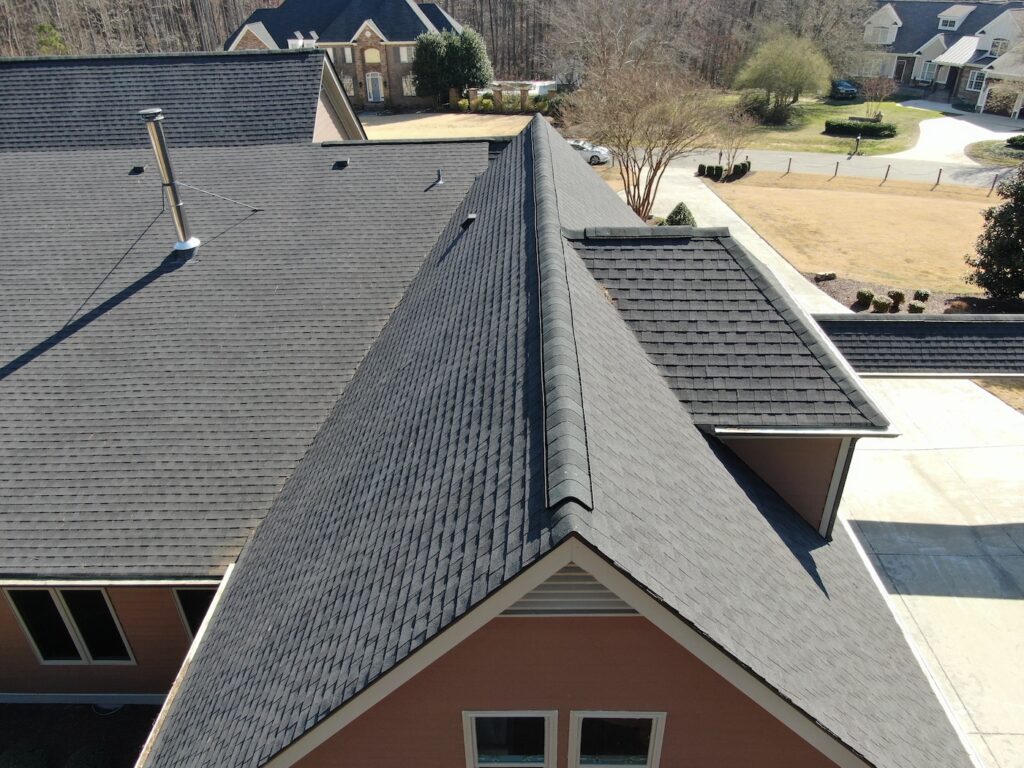
Next, the roofer moves onto the roof surface—either manually or with a drone—to examine shingles, tiles, roof vents, and flashing. This stage takes the most time, as the inspector documents areas that may need repair or resealing.
Step 3: Interior and Attic Assessment
Inside, the inspector checks the attic and ceilings for water stains, damp insulation, or mold. These are early signs of a leak that might not yet be visible outside. Proper ventilation is also reviewed to ensure moisture doesn’t build up beneath the roof deck.
Step 4: Documentation and Report
After completing the physical inspection, the roofer compiles findings, photos, and repair recommendations. A professional report may take another 30–60 minutes to complete, depending on the inspection’s complexity.
3 Types of Roof Inspections and How Long They Take
Each inspection type requires different tools and detail levels, which affect total time.
- Visual Inspection (45–60 minutes): A quick, hands-on look at surface materials and components.
- Structural Inspection (60–90 minutes): Includes attic checks, ventilation testing, and decking evaluation.
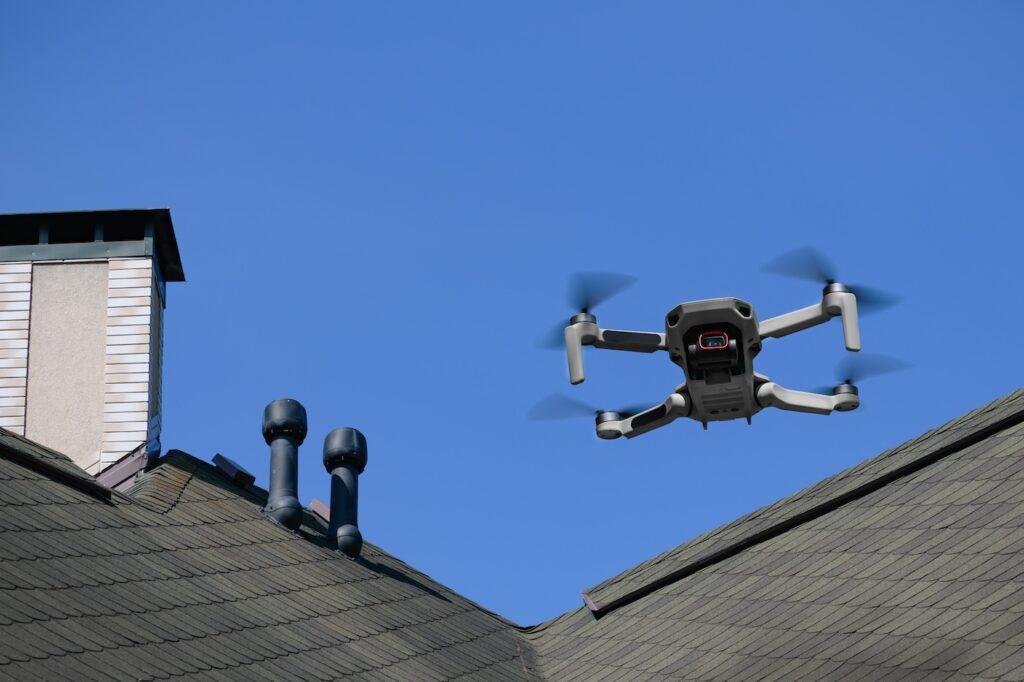
- Drone or Infrared Inspection (90–120 minutes): Uses advanced technology for roofs that are steep, tall, or unsafe to walk on.
Most professional roofers in Delta recommend a full inspection once a year, ideally in spring or fall, to prepare for seasonal weather changes.
Why Thorough Roof Inspections Take Time
It may be tempting to rush through the process, but thorough inspections pay off in the long run. Taking extra time allows the roofer to identify small issues—like cracked flashing or clogged gutters—before they cause significant damage.
A slower, more detailed inspection also ensures your roof coating, sealant, and ventilation systems are evaluated for long-term performance. This attention to detail can save you from early roof replacement and reduce overall maintenance costs.
How to Prepare for a Faster Roof Inspection
You can help make your inspection more efficient by preparing your property ahead of time.
- Clear access: Move vehicles and outdoor furniture to give roofers space to set up ladders.
- Trim overhanging branches: Ensures drones or roofers have a clear view of the roofline.
- Unlock attic access: Inspectors often need to check insulation and ventilation.
- List concerns: Note any leaks, stains, or issues you’ve noticed before the inspection.
These small steps help roofing contractors work efficiently while ensuring no part of your roof is overlooked.
Common Delays During Inspections
Even with preparation, a few factors can extend inspection time.
- Poor weather: Rain or high winds can delay or shorten inspections for safety reasons.
- Hidden damage: If moisture or mold is found, the roofer may take extra time to identify the source.
- Multiple roof levels: Complex rooflines take longer to photograph and evaluate properly.
In Delta’s damp climate, it’s common for roofers to spend extra time checking underlayment and flashing seals since moisture damage tends to spread gradually.
The Value of a Complete Roof Inspection
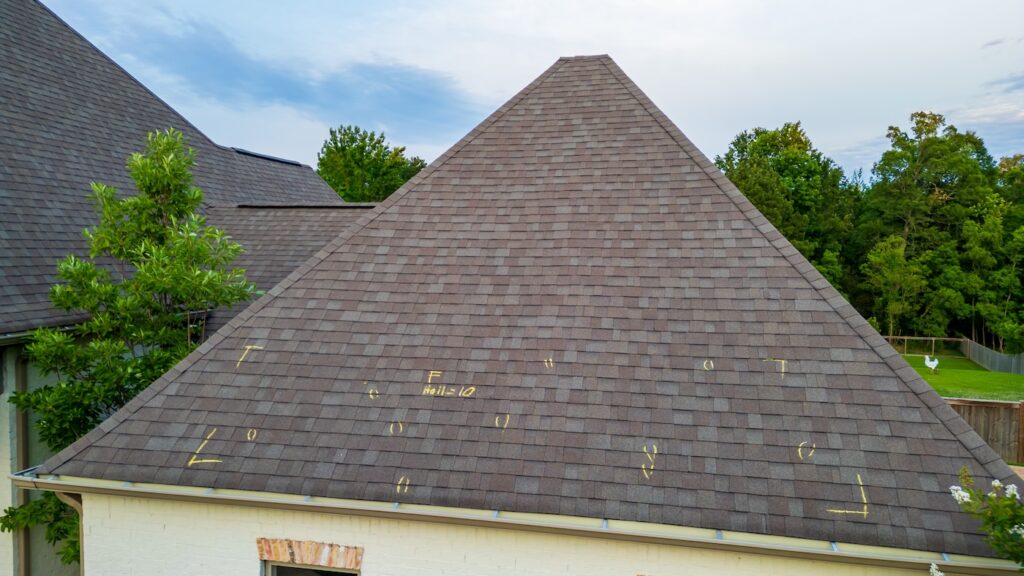
Even if your inspection takes a little longer than expected, the results are worth it. A comprehensive inspection not only identifies existing issues but also helps estimate your roof’s remaining lifespan. It allows homeowners to plan for future maintenance, address small leaks before they become costly repairs, and maintain warranty coverage.
A reputable roofing contractor will explain findings clearly and provide a detailed written report with photos, repair recommendations, and maintenance suggestions. That extra time ensures peace of mind and prevents unpleasant surprises later.
Protect Your Home with Army Roofing
When it comes to something as important as your roof, thorough inspections are worth every minute. Army Roofing delivers detailed, efficient inspections that balance accuracy and speed—so homeowners can feel confident their roofs are built to last. Our experienced roofing contractors take the time to ensure every seam, vent, and shingle is checked properly.
We’re proud to serve homeowners in Delta, BC, and nearby communities with inspections, maintenance, and repair services that protect your investment. Schedule your free roof inspection today and see why Army Roofing remains the trusted local choice for reliable, efficient, and professional roofing care.
Recent Articles
The Roof Blog