



9 Best Roofing Tools to Always Have On Hand (DIY Guide)
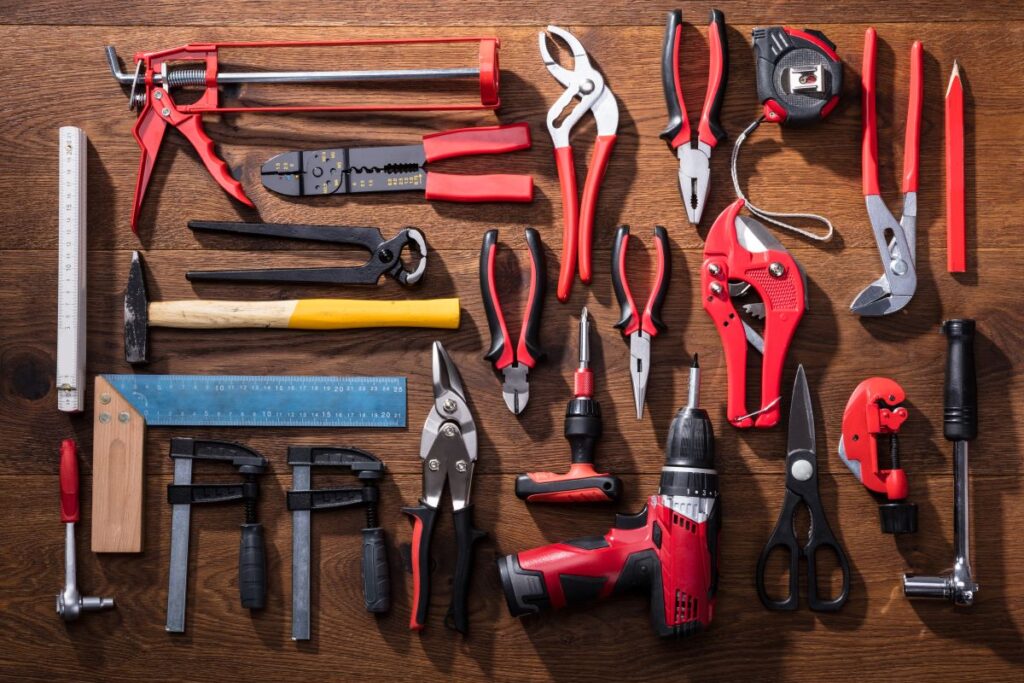
Whether you’re patching a small leak or replacing an entire roof, having the right roofing tools on hand is essential. Proper equipment makes the work faster, safer, and more precise—especially when working with asphalt shingles, metal roofing, or other common roofing materials. This guide covers the key tools every roofer or DIYer should keep in their kit to handle anything from basic repairs to full installations.
- Discover the most useful tools for any roofing job
- Learn how each tool improves speed, safety, or quality
- Get tips for choosing tools that last
- Prepare for common roofing challenges with the right gear
- Know when to call in roofing companies for support
Why the Right Tools Make All the Difference
Roofing is demanding work that relies on specialized tools. The right gear doesn’t just save time—it also reduces mistakes, prevents injuries, and protects your home from future issues. Whether you’re working with an asphalt shingle roof or a complex roof design, having essential tools in reach can make your project smoother from start to finish.
- Safety benefits: Purpose-built tools help reduce the risk of accidents
- Efficiency boost: A well-equipped roofing crew works faster with less effort
- Precision results: Accurate tools improve cut lines, shingle spacing, and layout
- Durability: Tools that protect the materials reduce damage during handling
- Cost savings: Fewer mistakes mean fewer costly repairs later
9 Essential Roofing Tools to Always Keep Ready
If you’re planning to work on your roof, these are the must-have tools to keep close. From measuring and cutting to fastening and cleanup, they’re designed to handle the most common parts of the roof replacement process.
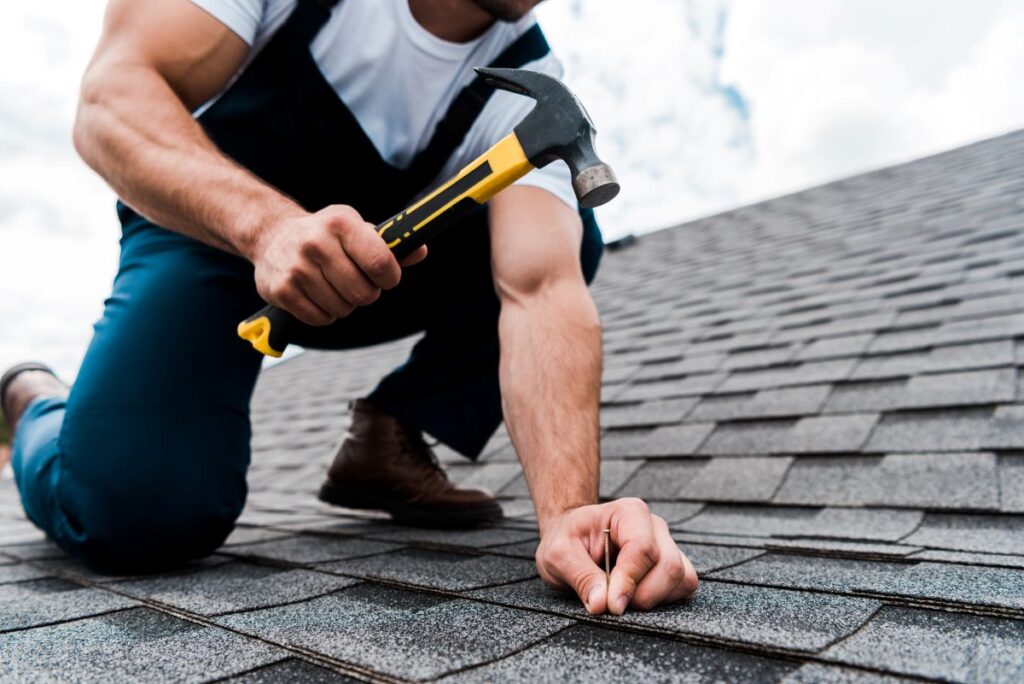
1. Roofing Hammer
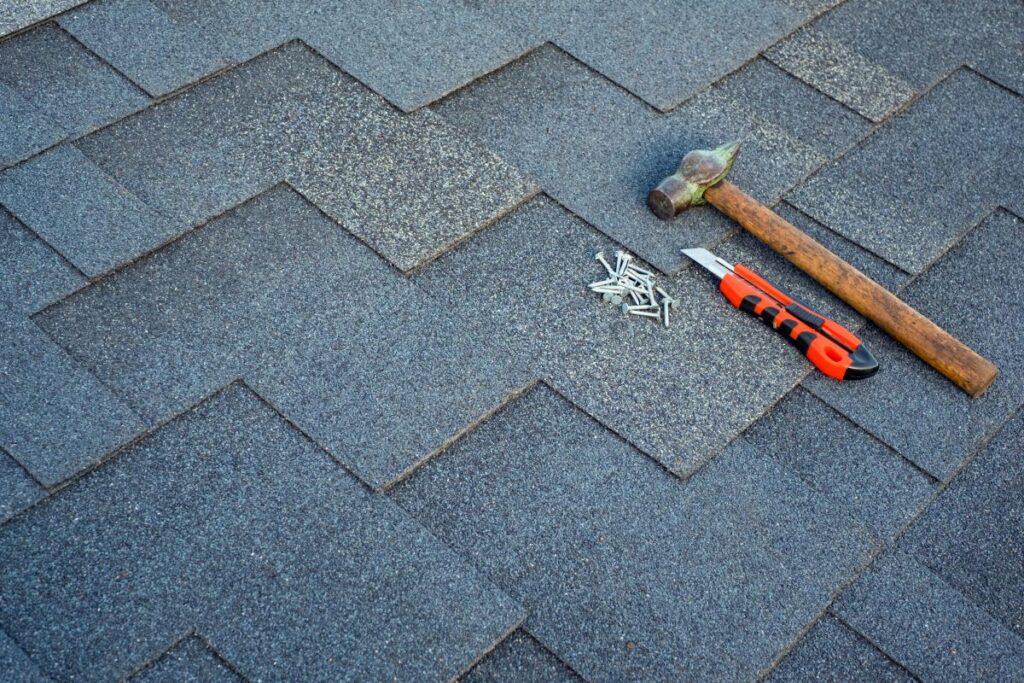
A specialized hammer for roofing, often including a straight claw for nail removal and a hatchet side for cutting shingles.
- Utility: Driving and removing nails, cutting shingles
- Tip: Choose a hammer with a shock-absorbing handle to reduce hand fatigue
2. Roofing Nail Gun
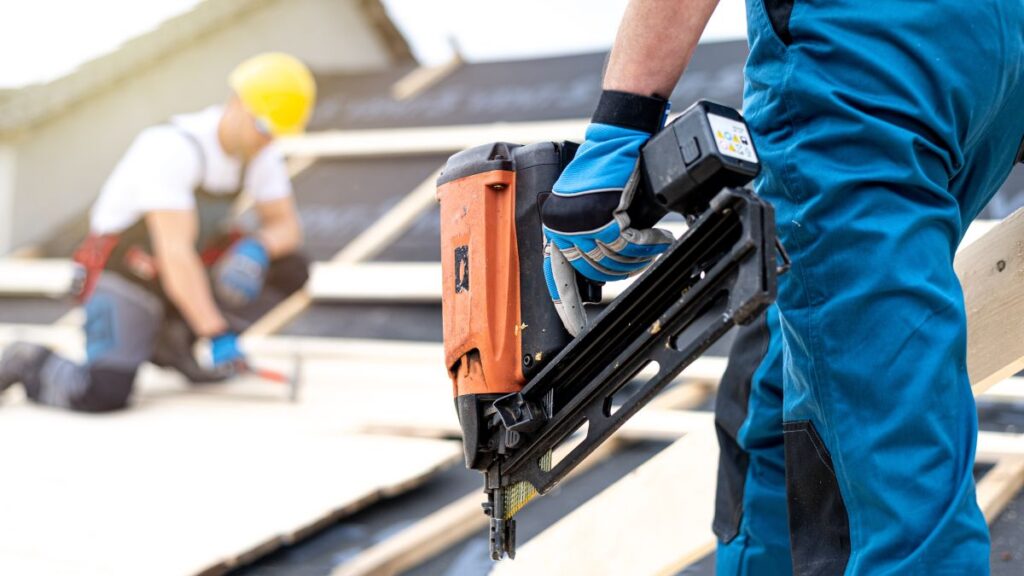
Ideal for faster, more uniform nailing that reduces the strain of hammering by hand.
- Utility: Quick, efficient fastening of asphalt shingles
- Consideration: Use nails rated specifically for roofing to ensure hold and corrosion resistance
3. Utility Knife
A must-have for cutting roofing felt, tar paper, shingles, and underlayment cleanly and accurately.
- Utility: Cutting roofing materials during layout and installation
- Safety: Always use fresh blades and cut away from your body
4. Chalk Line
Used to mark straight lines for shingle alignment and placement consistency.
- Utility: Ensures straight and even installation lines
- Benefit: Reduces errors and improves surface appearance
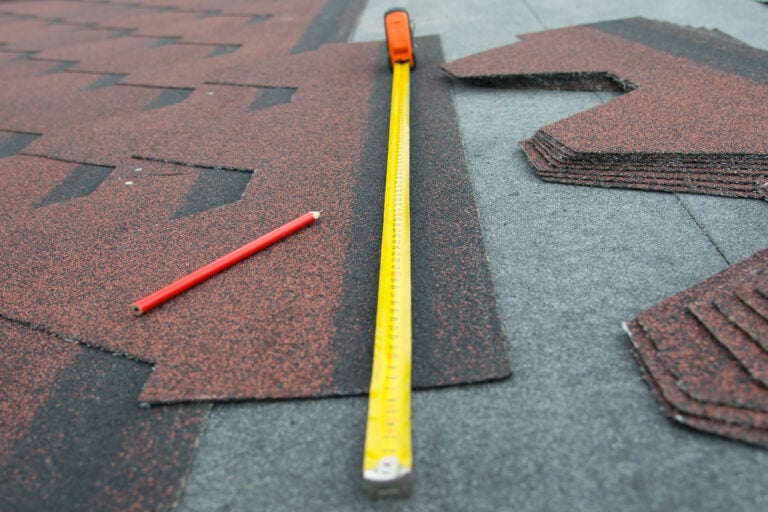
5. Tape Measure
Essential for accurate measurements throughout every phase of the roofing project.
- Utility: Measuring materials, spacing, and cuts
- Recommendation: Choose one with clear markings and a lock feature
6. Pry Bar
Key for removing old roofing materials carefully without damaging the roof deck.
- Utility: Lifting and prying materials
- Tip: Pick one with a comfortable grip for extended use
7. Ladder Stabilizer
Improves safety by securing your ladder on uneven or slippery surfaces.
- Utility: Stabilizes ladder position during roof access
- Safety: Always check ratings and placement before climbing
8. Roofing Shovel
Speeds up tear-off by helping remove asphalt shingles and underlayment efficiently.
- Utility: Strips shingles quickly and cleanly
- Note: Useful during full roof replacement jobs
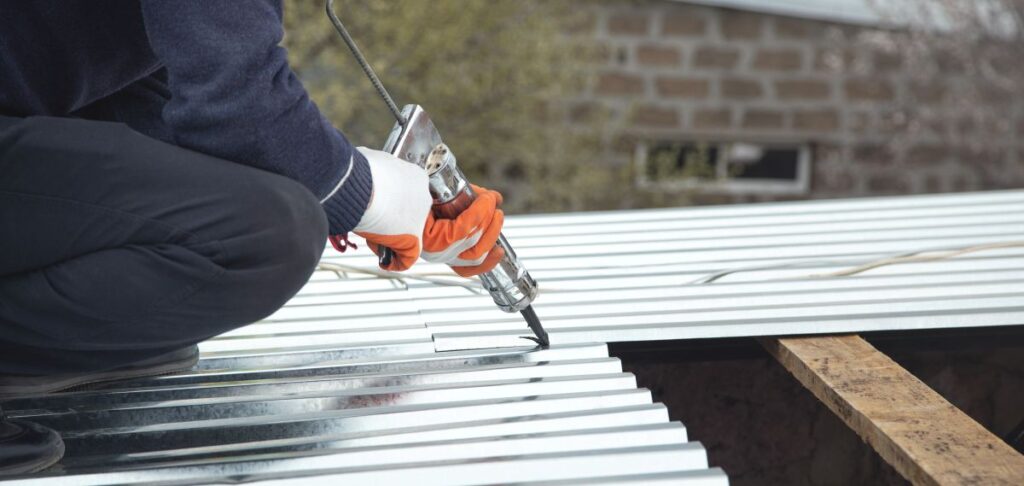
9. Caulking Gun
Ensures tight seals around joints, flashing, vents, and anywhere moisture might sneak in.
- Utility: Applies roofing adhesives and sealants
- Best use: Around vents, edges, and penetrations
Additional Tools and Equipment to Enhance Roofing Projects
While the core tools listed earlier cover most basic roofing jobs, certain tasks—especially larger replacements or specialty roof types—can benefit from a few key extras. These tools aren’t always required, but they can make a big difference in speed, safety, and quality.
- Rotating roofing knife for precise shingle trimming, especially near flashing and drip edges
- Safety harness for working on steep pitches or higher job sites
- Roofing boots with slip-resistant soles for better traction in residential or commercial roofing tools setups
- Sheet metal tools for detailed flashing work on chimneys, vents, or skylights
- Hoisting equipment for safely lifting heavy bundles of shingles and materials onto the roof
These items help bridge the gap between DIY skill and professional-level performance, especially useful in the roofing industry where job demands vary from home projects to full-scale roofing business operations.
Common Challenges in Roofing and How Proper Tools Help
Roofing comes with its share of obstacles—from tricky rooflines to unpredictable conditions. Here’s how the right tools directly address some of the most common problems during roof installations and repairs.
Working on Steep or Sloped Roofs
High-pitch roofs increase the risk of slips and falls. Using a ladder stabilizer improves footing at the base, while a safety harness keeps you protected when navigating angled surfaces. Roofing boots add extra grip and control on both asphalt shingles and metal roofing.
Aligning Shingles and Preventing Leaks
Proper shingle placement is key to preventing water infiltration. A chalk line keeps rows straight and consistent, helping asphalt shingles overlap correctly. Caulking guns are essential for sealing around vents, flashing, and joints to guard against rain and wind.
Removing Old Roofing Material Without Damage
Tearing off worn shingles or underlayment can damage the decking underneath. A roofing shovel and pry bar help you lift and remove layers efficiently while preserving the structure below. These hand tools make the process faster and cleaner.
Maintaining Efficiency and a Clean Finish
Disorganized tool use or poor cuts can slow your crew and leave behind uneven lines. A good roofing nail gun improves nailing consistency, while sharp utility knives and accurate tape measures ensure a tidy, professional-looking result.
Tool Maintenance Tips to Protect Your Investment
Investing in quality roofing tools pays off—but only if you maintain them. Clean, functional tools not only last longer but also work more efficiently and safely, especially during demanding jobs or tight timelines.
- Clean tools after every use to prevent buildup and corrosion
- Sharpen or replace cutting blades regularly for safety and speed
- Store everything in a dry, secure place to protect metal parts from rust
- Lubricate moving parts like nail guns and caulk guns to keep them operating smoothly
With regular upkeep, your roofing tools will stay in top shape—ready for any job site and durable enough to support long-term growth in your roofing business.
Making Your Roofing Projects Easier with the Right Tools
A well-equipped roofing toolbox is key to safe, efficient, and high-quality results—whether you’re repairing a small leak or installing a full asphalt shingle roof. Having the right tools ensures every part of the roof replacement process goes more smoothly, from prep to cleanup. For more complex roofs or if you’re unsure where to start, professional roofing companies can help you get it done right.
Army Roofing offers expert help with residential roofing, whether you’re DIYing or need full-service support. Contact us today to discuss your project and see how the right tools—and the right team—can make all the difference.
Recent Articles
The Roof Blog