



7 Step Guide for Same Time Soffit and Fascia Repair (DIY Guide)
Tackling soffit and fascia repair at the same time is one of the smartest ways to protect your home from moisture intrusion, pest activity, and long term structural issues. Homeowners in Delta often deal with increased humidity and coastal weather, which accelerates wood rot along roof edges. By repairing both areas together, you create a clean, consistent finish and avoid doing the same job twice later. Whether your project involves soffit repair, replacing damaged wood fascia, or deciding when to replace soffit entirely, a clear process helps you get reliable results.
This guide covers:
- What soffit and fascia actually do
- How to spot early signs of damage
- Tools and materials you’ll need
- A clear, step based fascia repair process
- When DIY is fine and when to call a professional
We’re proud to serve home and business owners in Delta, BC, and nearby communities with soffit and fascia repair and more.
Understanding the Purpose of Soffit and Fascia
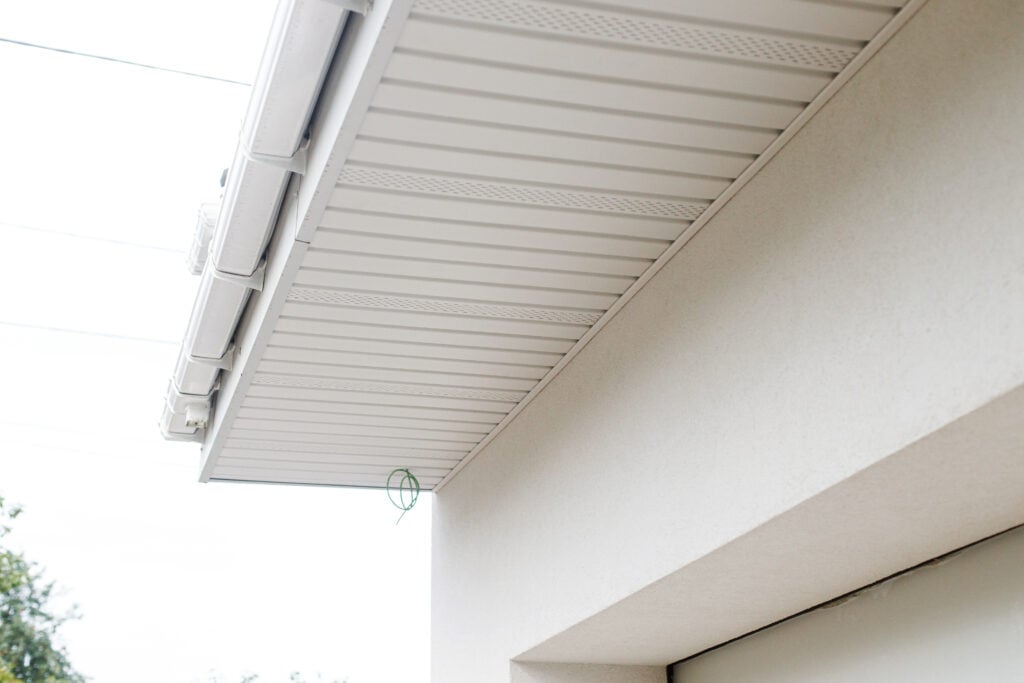
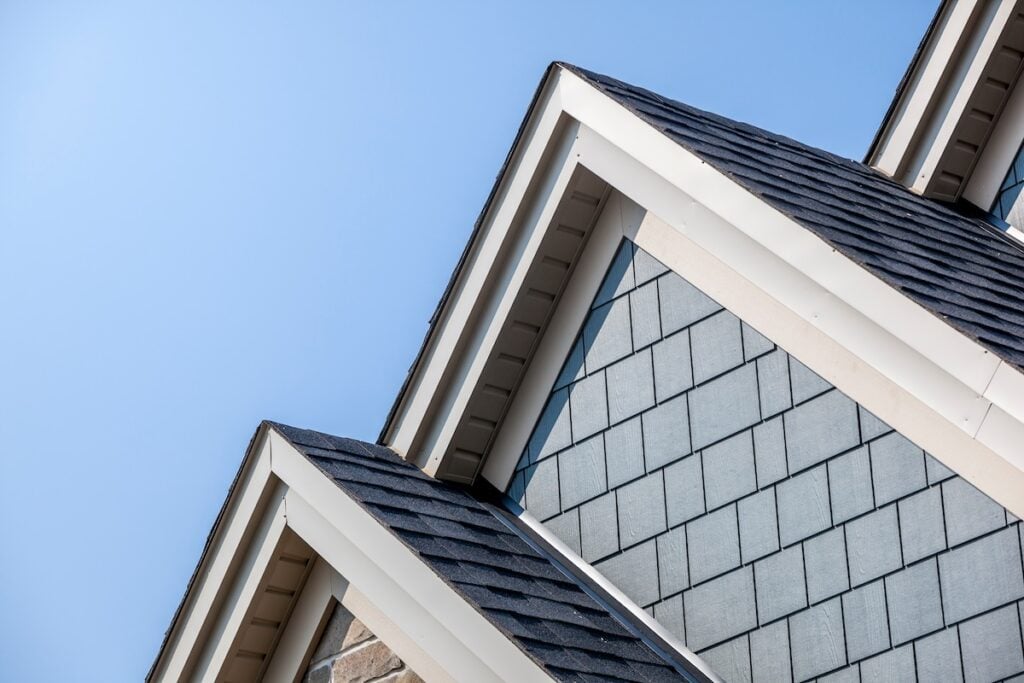
Soffit and fascia work together as a protective and ventilating system for your roofline. Soffits allow fresh air to flow into the attic while blocking pests, helping prevent poor attic ventilation. Fascia boards support gutters, keep water directed away from the home, and seal exposed roof edges. When one fails, the other typically deteriorates soon after, which is why combined repairs provide longer lasting protection.
Common Signs of Soffit and Fascia Damage
Before you begin repairs, it’s important to determine whether damage is isolated or widespread. Spotting early signs may prevent more serious issues that could eventually lead to roof replacement.
Signs of Soffit Damage
Soffit issues usually relate to moisture, ventilation problems, or aging soffit board materials.
- Soft or deteriorating wood: Shows moisture has penetrated the panels.
- Poor attic airflow: Warm or humid attic conditions often point to blocked or damaged soffits.
- Pest intrusion: Birds, rodents, and insects commonly enter through weakened soffit sections.
Signs of Fascia Damage
Since fascia supports your gutter system, many signs appear along the roofline.
- Sagging or loose gutters: Often caused by rotted or weakened fascia behind them.
- Peeling paint: Indicates the board is no longer shedding water effectively.
- Cracking or warping: Long term moisture exposure can distort wood fascia and compromise gutter support.
Tools and Materials You Will Need
Gathering the right tools ahead of time makes the process smoother and helps ensure a clean, professional looking result. Choose moisture resistant materials, especially in Delta’s coastal climate.
- Measuring tape: Ensures accurate cuts for replacement panels.
- Pry bar: Helps you remove damaged boards safely.
- Circular saw or hand saw: Used to cut new fascia or soffit pieces.
- Exterior grade screws: Designed to withstand moisture exposure.
- Caulk and sealant: Protects joints from water intrusion.
- Replacement soffit panels and fascia boards: Vinyl, aluminum, or primed wood are common choices when you replace soffit or fascia.
7 Steps for Repairing Soffit and Fascia at the Same Time
Repairing both areas together creates a seamless finish and reduces the likelihood of future moisture issues. The fascia repair process below helps homeowners complete the job safely and effectively. Before starting each step, make sure you have a stable ladder and proper safety gear. Take your time during removal and installation to avoid damaging adjacent materials.
1. Inspect the Area Thoroughly
Before doing any soffit repair or fascia work, it helps to understand the full scope of the damage so you don’t miss hidden issues. Identify soft spots, discoloration, or gaps so you know how much material you’ll need. Look closely at gutters since water can travel behind the fascia.
- Probe wood surfaces: Light pressure reveals hidden rot.
- Check attic ventilation: Poor airflow may indicate larger soffit issues.
2. Remove Damaged Sections
This phase ensures you eliminate all compromised soffit board or wood fascia so fresh materials can last. Carefully remove any rotted soffit panels or fascia boards so you don’t disturb surrounding shingles.
- Use a pry bar gently: Helps prevent tearing or splintering.
- Detach gutters: Only if necessary to access fascia boards fully.
3. Prepare the Surface
This part of the fascia repair process creates a strong foundation for your replacement materials. Cleaning and drying the underlying structure ensures your new materials adhere properly and last longer.
- Scrape old caulk: Removes barriers that may interfere with installation.
- Check framing: Ensure rafters and supports are solid before moving forward.
4. Install New Fascia Boards
Installing fascia first helps create the correct alignment before you replace soffit panels. It’s best to install fascia first, since it provides a clean edge for new soffit panels to sit against.
- Align boards carefully: Straight lines prevent future gutter issues.
- Use corrosion resistant fasteners: Extends the lifespan of the repair.
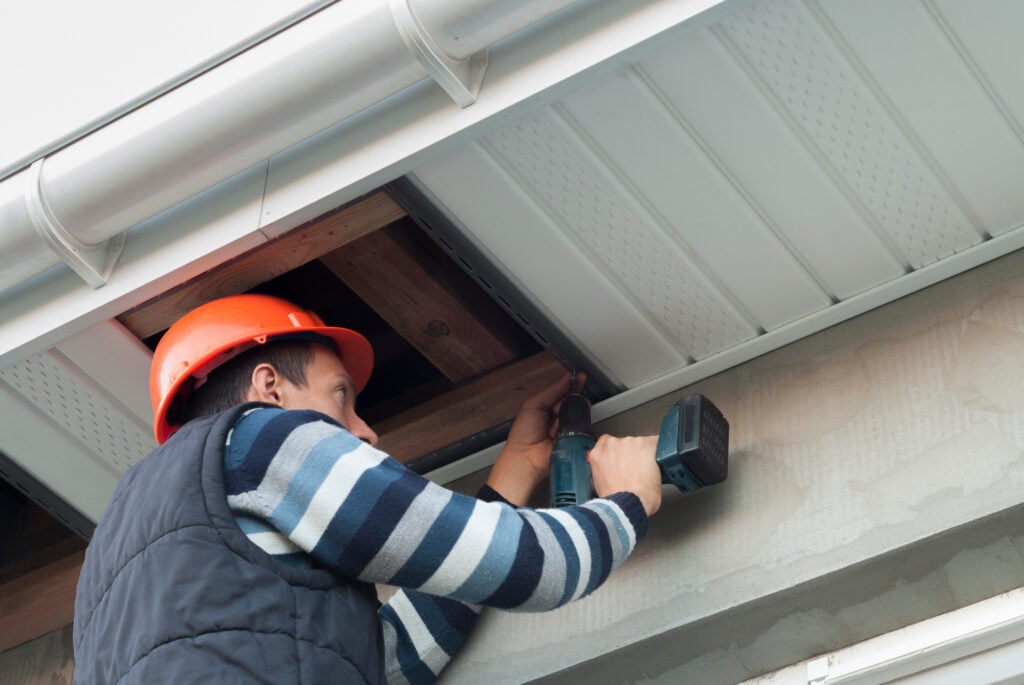
5. Install New Soffit Panels
This step restores ventilation and completes the protective trim around your roof edge. Once fascia is secure, slide new soffit panels into position.
- Allow proper ventilation: Keep vents unobstructed for attic airflow.
- Secure evenly: Avoid gaps where pests could enter.
6. Seal Joints and Finish Edges
Finishing properly helps prevent moisture intrusion that can lead to peeling paint or early deterioration. Sealing prevents moisture from entering the new materials.
- Apply exterior caulk: Focus on corners and seams.
- Smooth the finish: Ensures a clean look and better long term protection.
7. Paint or Finish the Surface
A consistent finish protects both soffit and fascia materials and improves curb appeal. A uniform finish improves durability and appearance.
- Use exterior grade paint or stain: Adds weather resistance.
- Match existing trim: Helps the repair blend smoothly with surrounding areas.
When DIY Repairs Aren’t Enough
Most homeowners can handle small soffit or fascia repairs, but some situations call for a professional. If rot has spread into rafters, if gutters are severely misaligned, or if you find mold in the attic, a contractor can diagnose hidden issues and reinforce the structure safely.
Extensive moisture problems, widespread peeling paint, or structural deterioration often require professional evaluation, especially in coastal areas where ongoing exposure is common.
Why Your Home Deserves Expert Care from Army Roofing
Soffit and fascia repairs protect your entire roofing system, and having an experienced team ensures the job is done right. Army Roofing’s crews work quickly, communicate clearly, and deliver durable results that stand up to Delta’s climate. Whether you need a small repair or a full roof edge replacement, we’re here to help restore strength, ventilation, and curb appeal.
Contact Army Roofing today to schedule a free inspection and get trusted guidance on the best repair approach for your home.
Recent Articles
The Roof Blog