



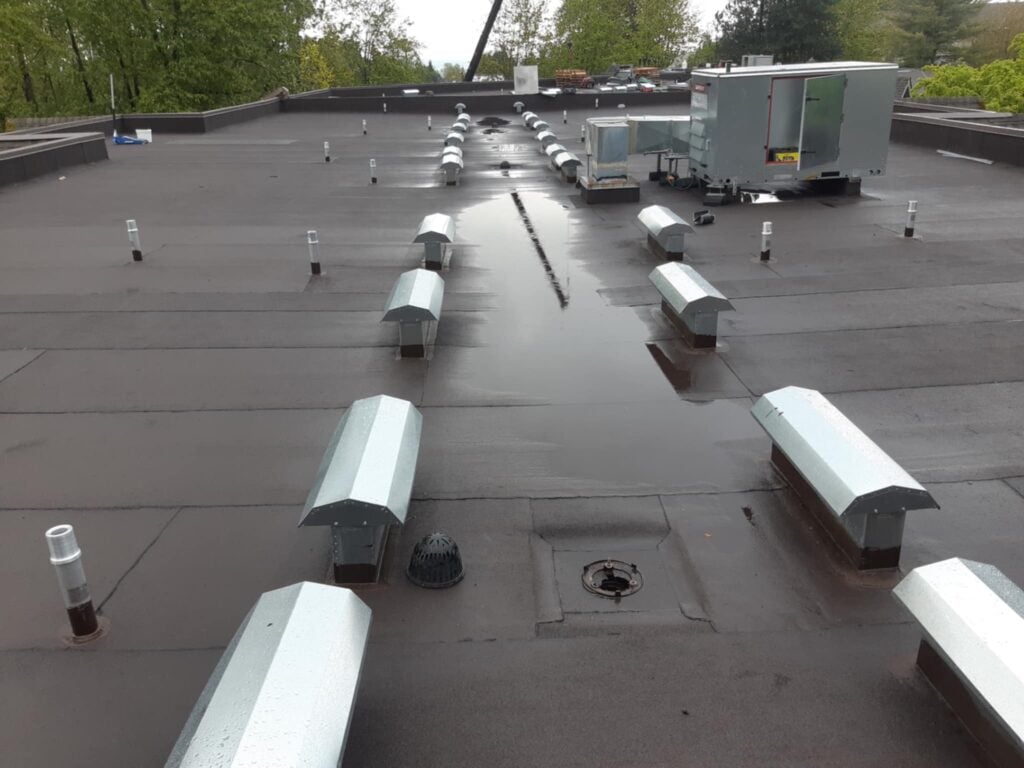
7 Best Practices Explained for Commercial Roof Maintenance
Routine commercial roof maintenance is essential for protecting your building, reducing operational costs, and preventing early roof failure. Property owners in Delta rely on strong, weather-resistant roofing systems to handle heavy rain, wind, and seasonal temperature shifts. Establishing a structured maintenance plan ensures your commercial roof remains safe, efficient, and durable year after year. A well maintained roof supports building safety, minimizes emergency repairs, and extends overall roof life through consistent care and preventative maintenance..
This guide covers:
- Why commercial roofs require proactive care
- The most important maintenance tasks
- A comparison table for flat and low-slope roofs
- Seven best-practice steps for long-term performance
- When to call a professional roofing contractor
We’re proud to serve business owners in Delta, BC, and nearby communities with roofing inspections, repairs, and replacements that keep commercial buildings protected season after season.
Why Commercial Roof Maintenance Matters
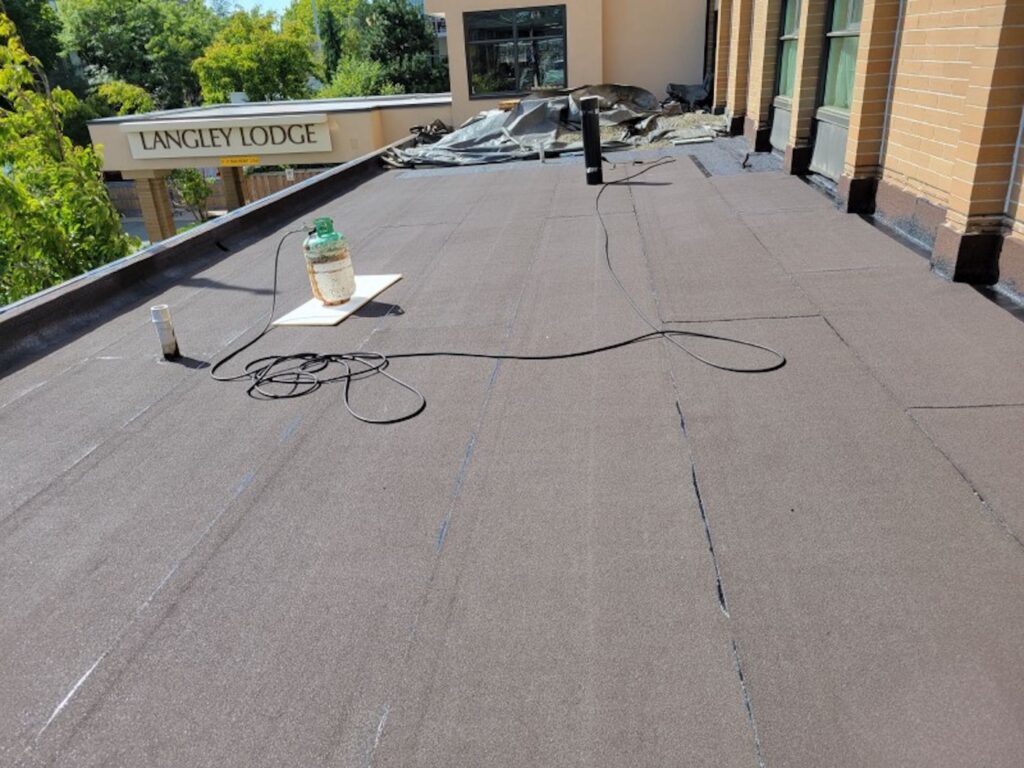
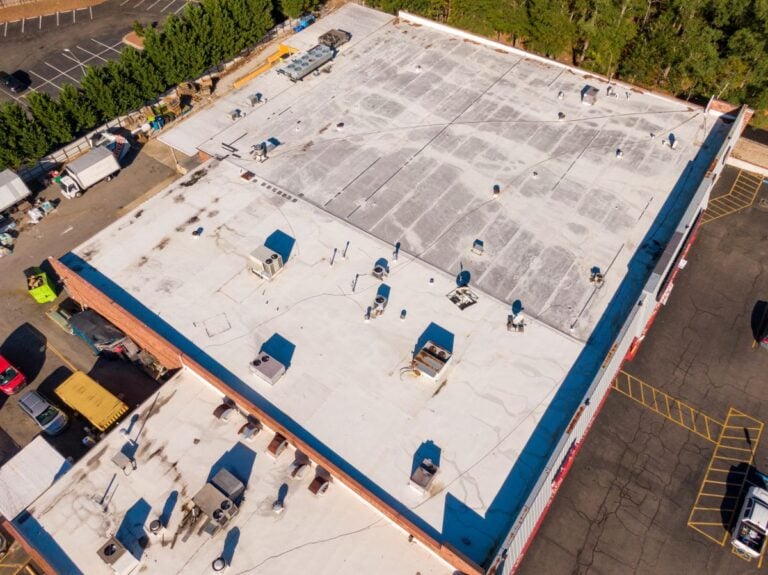
Commercial roofs operate differently from residential systems. They often have larger surface areas, more foot traffic, mechanical units, drainage systems, and exposure to constant weather fluctuations. Without proper upkeep, small problems can lead to leaks, interior damage, equipment failure, or unexpected business interruptions. Implementing roof maintenance tips and frequent inspections helps property owners properly maintain their systems and avoid premature deterioration.
Regular inspections and preventative maintenance help extend roof lifespan, protect building assets, and reduce long-term repair expenses.
Flat Roof Comparison Table
Before reviewing the table, it helps to understand how each commercial roofing system behaves under different conditions so you can compare maintenance needs more effectively.
| Roof Type | Common Issues | Maintenance Priority | Ideal Frequency |
| Built-Up Roofing (BUR) | Blisters, ponding | Surface checks, sealing | Twice per year |
| Modified Bitumen | Cracks, membrane wear | Seam inspections | Twice per year |
| TPO/PVC | Punctures, loose seams | Flashing and membrane checks | Twice per year |
| EPDM | Shrinkage, UV exposure | Edge securement reviews | Twice per year |
Common Myths and Realities About Commercial Roof Maintenance
Before diving into routine care, it’s important to clear up common misconceptions that lead many property owners to delay essential maintenance.
Myth: Flat commercial roofs don’t need much maintenance
Flat and low-slope roofs require consistent care because debris, slow drainage, and membrane seams make them more vulnerable to leaks and deterioration when upkeep is ignored.
Myth: A new commercial roof doesn’t require inspections
Even newly installed roofs should be checked regularly, as early membrane shifts, flashing issues, or equipment interference can cause problems long before the roof reaches midlife.
Myth: Minor roof leaks are normal and harmless
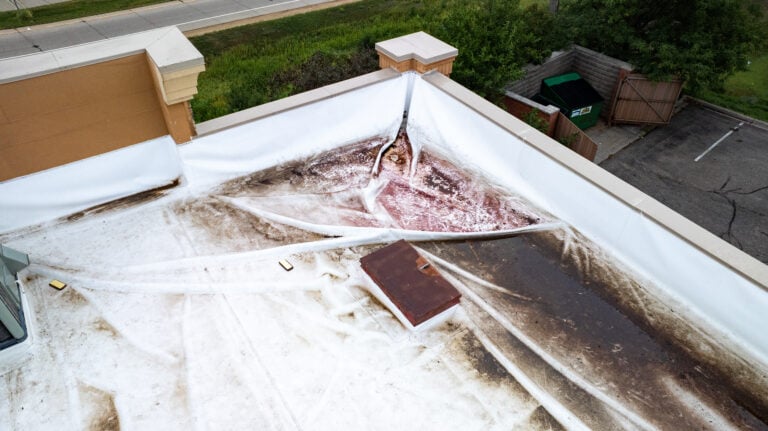
Small leaks may seem insignificant, but they can spread beneath membranes, damage insulation, and lead to mold growth or interior deterioration if not addressed quickly.
7 Best Practices for Commercial Roof Maintenance
Before beginning any maintenance, walk the property exterior and observe drainage patterns, overhanging structures, and areas where debris tends to collect. This simple overview helps identify early warning signs and supports a stronger maintenance plan before stepping onto the roof.
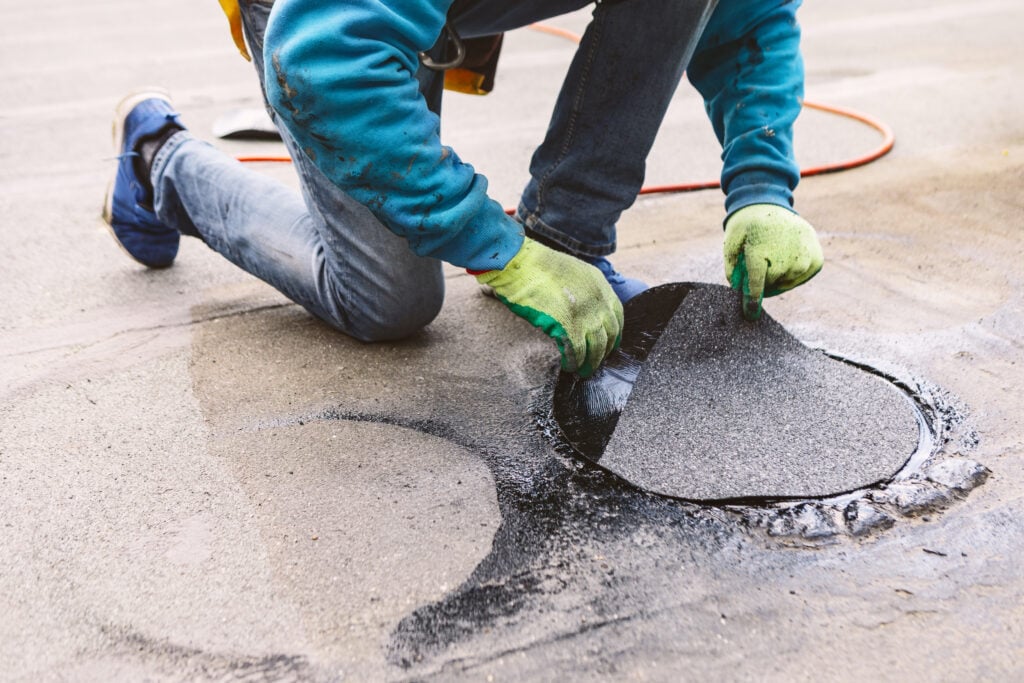
1. Schedule Regular Roof Inspections
Routine inspections are the foundation of commercial roof maintenance, helping catch issues before they interrupt business operations.
- Inspect twice yearly: Spring and fall are ideal.
- Document changes: Note repairs, damage, or new problem areas.
2. Keep Drains and Gutters Clear
Commercial roofs rely heavily on effective drainage systems. Blocked drains or clogged gutters cause standing water that stresses membranes and accelerates deterioration.
- Remove debris: Leaves, dirt, and roofing material fragments.
- Verify drain flow: Ensure water moves freely after cleaning.
3. Inspect Seams, Flashing, and Penetrations
Most commercial roof leaks begin around penetrations and flashing. Regular checks help prevent long-term damage and reduce the need for emergency repairs.
- Check HVAC and vent seals: Look for cracks or loose fittings.
- Inspect flashing edges: Ensure secure attachment and watertight seals.
4. Monitor Roof Membrane Condition
Changes in membrane texture, color, or elasticity can indicate deeper problems that may shorten roof life.
- Watch for punctures: Foot traffic and equipment can damage membranes.
- Look for blisters or bubbles: Signs of trapped moisture.
5. Remove Debris from the Roof Surface
Debris holds moisture and increases the risk of membrane damage, mold growth, and blockages.
- Clear leaves and branches: Especially around roof valleys and drains.
- Remove loose materials: Packaging, tools, or construction remnants.
6. Maintain Surrounding Equipment and Access Points
Commercial roofs support HVAC units, vents, exhaust systems, and rooftop walkways. Properly maintain these areas to prevent stress on the roof.
- Check equipment bases: Ensure seals remain intact.
- Review walkway pads: Replace worn sections to protect the membrane.
7. Address Minor Repairs Promptly
Ignoring small issues leads to costly roof repair or structural complications.
- Patch small punctures: Prevent water intrusion.
- Re-secure loose components: Tighten fasteners and repair minor seams.
FAQs About Commercial Roof Maintenance
These are the most common questions building owners ask when it comes to keeping a commercial roof in top shape. Clear answers now can help you avoid costly repairs later.
How often should a commercial roof be inspected?
At least twice a year, plus after major storms or construction activity.
What is the most common cause of commercial roof leaks?
Failed flashing, clogged drains, and membrane punctures are top contributors.
Can building staff perform basic maintenance?
Yes, tasks like debris removal and visual checks are safe, but repairs should be handled by a professional roofing contractor.
Do flat roofs require more maintenance?
Flat and low-slope roofs need consistent upkeep because water drainage is slower.
What signs indicate my roof needs professional repair?
Standing water, cracks, visible membrane damage, or interior leaks all warrant immediate attention.
Why Businesses Trust Army Roofing for Commercial Roof Protection
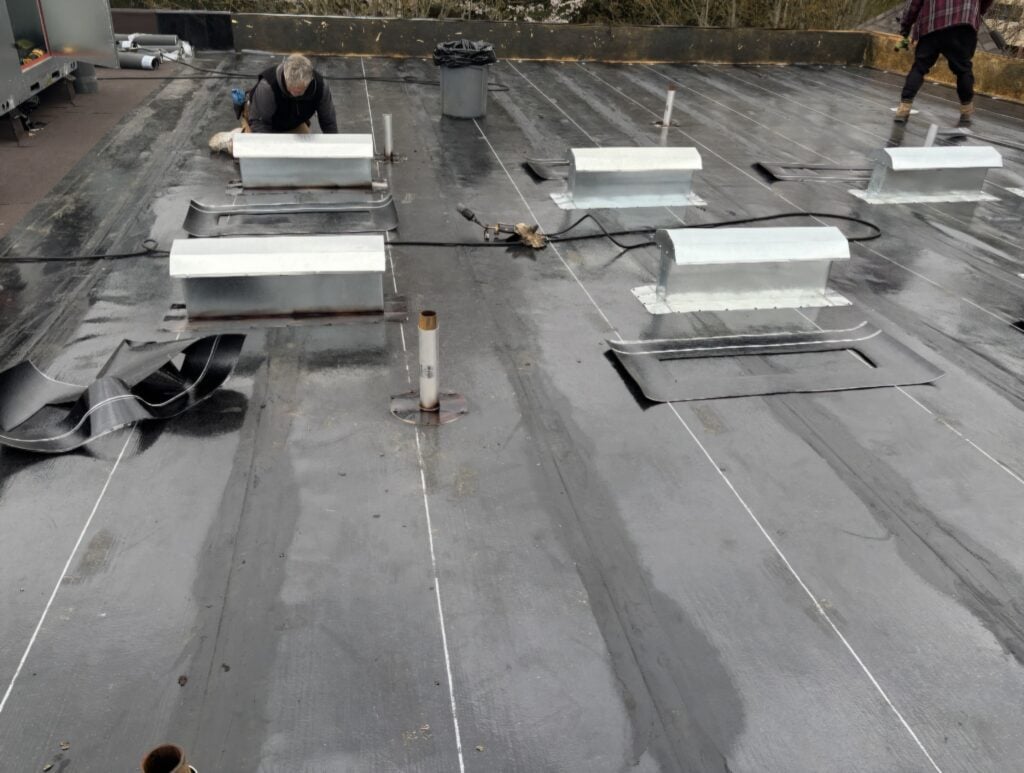
Keeping a commercial roof in strong condition requires trained eyes, consistent monitoring, and reliable repairs. Army Roofing helps Delta businesses protect their buildings with detailed inspections, quality workmanship, and solutions built to handle local weather conditions. Our team focuses on long-term roof performance so you can run your business without interruption.
Whether your commercial roof needs a routine inspection or targeted repair, Army Roofing is here to support your building’s safety and performance year round. Contact Army Roofing today to schedule a commercial roof assessment.
Recent Articles
The Roof Blog