



Where To Screw Metal Roofing On Ribs Or Flats? 5 Answers
Knowing where to screw metal roofing is one of the most debated installation questions among homeowners and contractors alike, and getting it wrong can lead to leaks, panel movement, and costly repairs down the line. The placement of every fastener directly affects how well your metal roof holds up against rain, wind, and temperature swings for years to come. Army Roofing’s metal roofing services — including standing seam and metal shingle systems — are built around getting these details right the first time. Here is what this blog covers:
- The anatomy of a metal roof panel and why placement matters
- The case for screwing into the flats vs. the ribs
- A side-by-side comparison of both methods
- Common fastening mistakes to avoid
- Frequently asked questions about metal roof fastening
Understanding Metal Roof Panel Anatomy
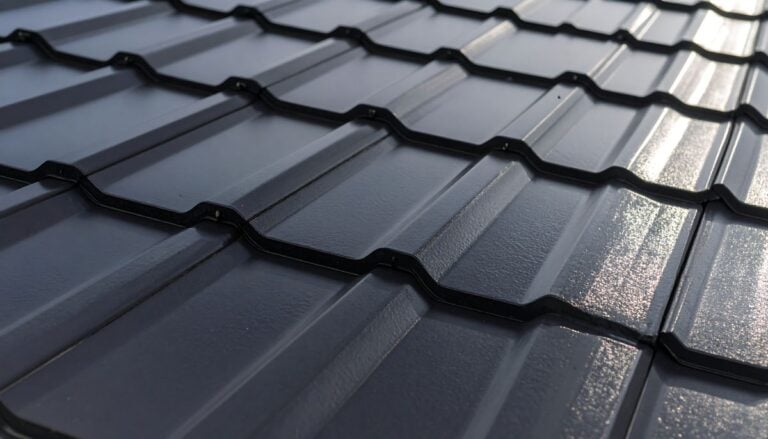
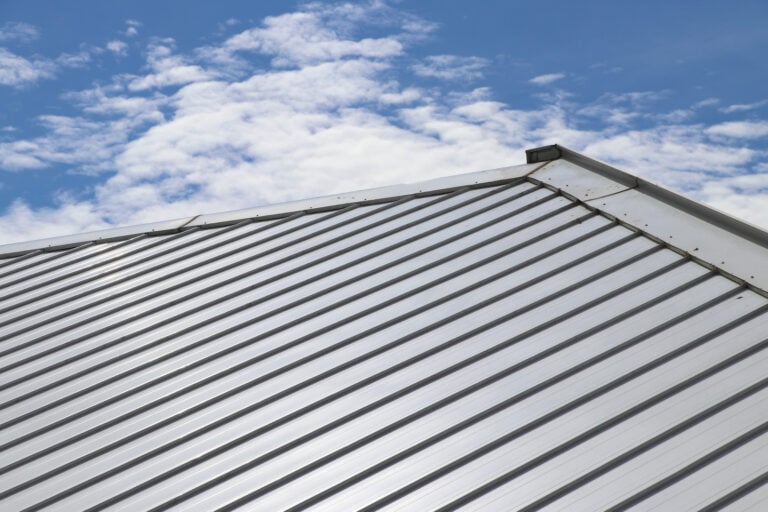
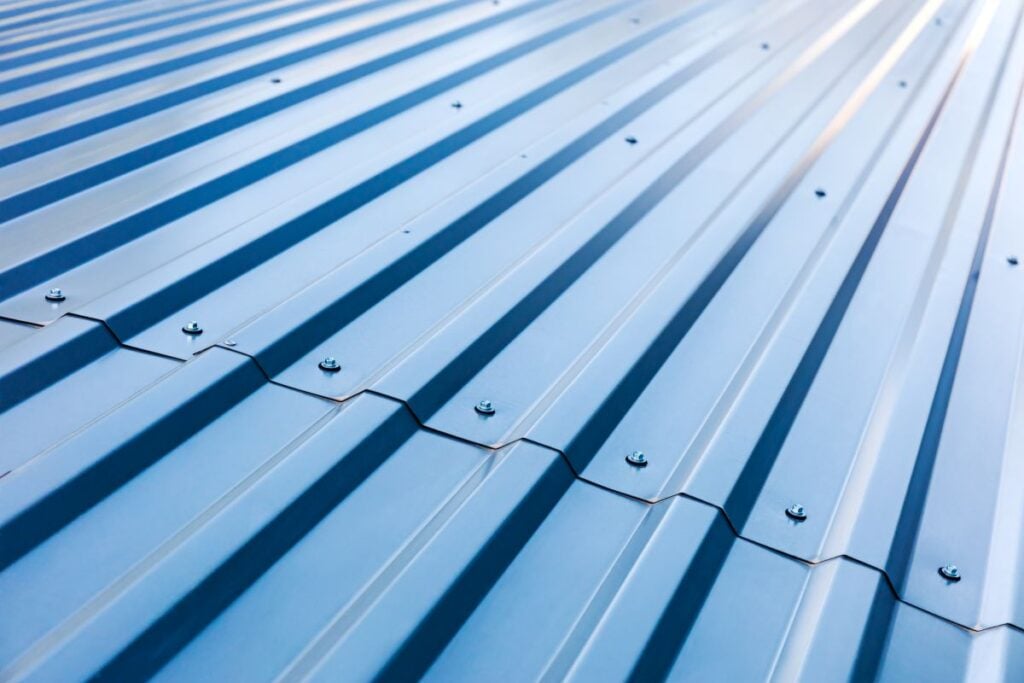
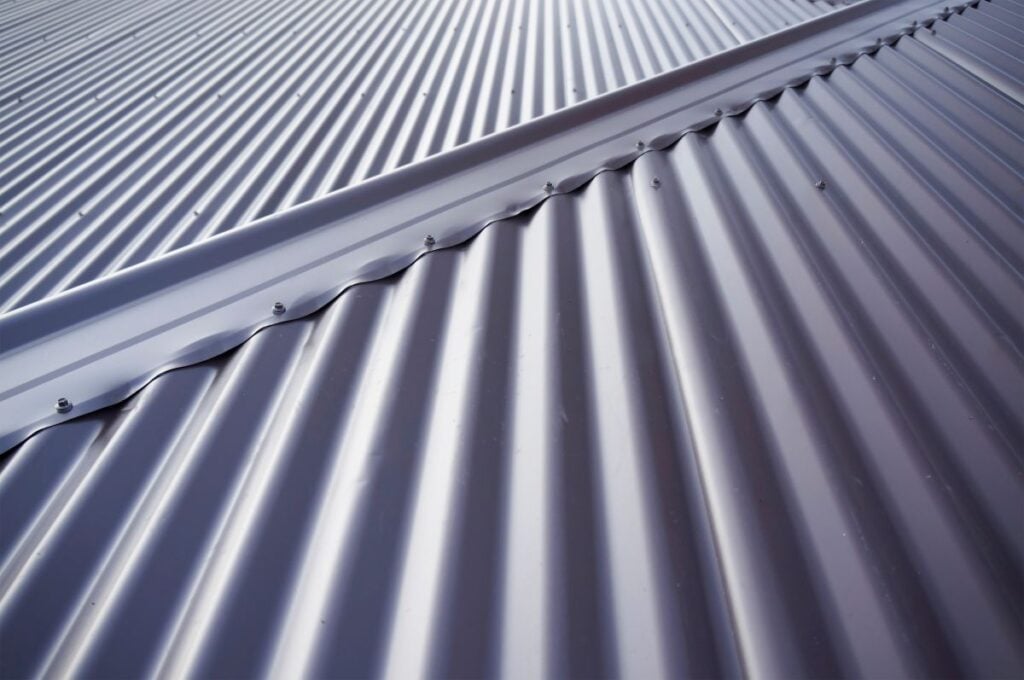
Before deciding where to place screws, it helps to understand the two zones you are working with. Metal roofing panels are formed with a deliberate profile: the ribs are the raised portions that run vertically along the panel, providing structural rigidity and helping channel water toward the gutters. The flats, sometimes called the pans, are the lower sections between the ribs where water flows on its way off the roof. Every screw placement decision affects how water, wind, and thermal movement interact with your roof over time.
5 Answers to the Rib vs. Flat Debate
The right placement depends on your panel profile, manufacturer instructions, local building code, and climate. Here are five answers that cut through the confusion.
1. Most Manufacturers Recommend the Flats
The majority of metal roofing manufacturers specify that screws should go into the flat sections of the panel, positioned approximately one to two inches from the rib. A flat surface allows the rubber washers beneath the screw head to compress fully and form a tight, even seal. When installing screws through a rib instead, the curved profile creates a gap between the washer and panel surface, leaving the seal incomplete and vulnerable to water infiltration.
- Flat placement advantage: The washer compresses evenly against a flush surface, creating a reliable watertight seal.
- Rib placement problem: The curved rib profile prevents full washer compression, leaving gaps where water can eventually work in.
- Key takeaway: Following manufacturer specs also protects your warranty, which can be voided by incorrect fastener placement.
2. Avoid the Dead Center of the Flat
Screwing into the flats does not mean driving every fastener straight down the center of the pan. The center of the flat is the primary water flow path on the panel, meaning a fastener placed there is under continuous hydrostatic pressure every time it rains, accelerating washer wear. The correct position is offset slightly toward the rib, roughly one to two inches from its base, where the surface is more structurally supported and water flow is reduced. Some contractors also apply a small bead of sealant around the washer at this position as an added layer of protection, particularly in high-rainfall climates like the Lower Mainland.
- Center-pan risk: Constant water pressure wears out rubber washers faster and increases leak risk at the fastener.
- Off-center placement: One to two inches from the rib base keeps the screw on stable, supported material while staying clear of the main water channel.
3. Rib Placement Has Legitimate Uses
Rib fastening is often called the old-school method, but it is not without merit in specific situations. Some older corrugated panel profiles are actually designed for rib fastening, and certain agricultural or commercial applications may call for it. The rib is the structurally strongest part of the panel, giving screws a firm grip against wind uplift. The trade-off is that thermal movement causes metal to expand and contract with temperature changes, and rib-mounted screws are more prone to gradually backing out and breaking their seal over time.
- Structural grip: The rib offers strong resistance to wind uplift forces, which can matter in exposed or high-wind locations.
- Thermal movement concern: Rib-mounted screws are more likely to back out over time as the panel expands and contracts with heat and cold.
- Profile dependent: Always check your panel specs before deciding, as some profiles are specifically engineered for rib fastening.
4. Panel Profile Is the Deciding Factor
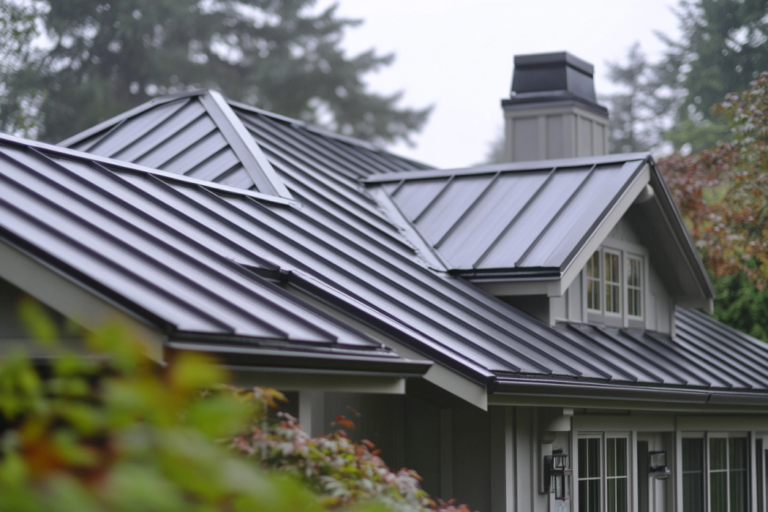
Not all metal roofing panels are the same. Corrugated panels, R-panels, PBR panels, and standing seam systems each have different fastening requirements. Standing seam roofs use concealed clips rather than exposed fasteners entirely, so the rib vs. flat question does not apply to them. For exposed-fastener systems, the panel manufacturer’s installation guide is the definitive authority and should always be consulted before any screws are driven.
- Corrugated panels: Often designed for rib fastening, though flat-near-rib placement is increasingly standard across the metal roofing industry.
- R-panel and PBR panels: Typically require flat placement near the rib per manufacturer specs.
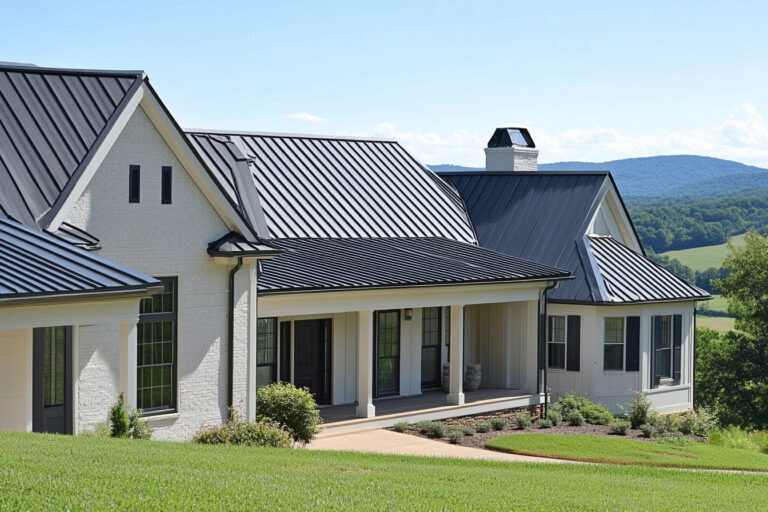
- Standing seam panels: Use concealed clip systems, making exposed screw placement irrelevant.
5. Local Climate Affects Spacing and Placement
In areas with significant rainfall, heavy snow loads, or high winds, fastener placement and spacing become even more critical. The Metal Construction Association notes that proper fastener installation is one of the leading factors in long-term metal roof performance, and spacing requirements should always account for local wind and weather loads. In Richmond, BC, and across the Lower Mainland, wet winters and wind-driven rain make the margin for error on fastener placement especially slim.
- Wind load considerations: High-wind areas require tighter spacing at panel edges and corners where uplift pressure is greatest.
- Wet climates: Consistent rain in the Lower Mainland makes full washer compression critical to long-term performance.
- Over-tightening risk: Driving screws too deep crushes rubber washers and distorts the panel, creating a leak point rather than preventing one.
Rib vs. Flat: A Side-by-Side Comparison
| Factor | Screwing Into Ribs | Screwing Into Flats |
| Manufacturer Recommendation | Less common | Most common |
| Washer Seal Quality | Incomplete due to curved surface | Full compression on flat surface |
| Structural Grip | Strong | Good when near rib base |
| Thermal Movement Risk | Higher | Lower |
| Warranty Compliance | Often voids warranty | Maintains warranty |
| Best Application | Some corrugated and agricultural profiles | Most residential and commercial systems |
Common Fastening Mistakes to Avoid
Even experienced installers can undermine a good metal roof with technique errors. These are the mistakes that cause the most problems over time.
- Over-tightening screws: Compressing rubber washers beyond their range causes them to distort and bulge, creating a leak pathway instead of a seal.
- Under-tightening screws: An insufficiently tightened screw leaves the washer incompletely compressed, allowing water to work beneath the head.
- Irregular spacing: Inconsistent spacing weakens wind uplift resistance and creates uneven panel stress, particularly at edges and the ridge.
- Using the wrong fastener: Metal roofing requires purpose-built screws with self-sealing washers and corrosion-resistant materials — stainless steel screws are among the best options for BC’s coastal climate.
- Skipping sealant on lap joints: While screws do the primary fastening work, applying sealant at overlaps and penetrations adds a critical secondary barrier against wind-driven rain.
We are proud to serve home and business owners in Richmond, BC, and nearby communities with professional metal roofing installation, repair, and inspection services and more.
Common FAQs
Does it matter what type of screw I use?
Yes, significantly. Metal roofing screws are purpose-built with self-drilling tips, hex heads for consistent torque, and rubber washers that compress to form a watertight seal. Stainless steel screws or hot-dipped galvanized fasteners offer the best corrosion resistance for the wet Lower Mainland climate and should always be used on residential installations.
How far apart should screws be spaced?
A general guideline for exposed-fastener panels is approximately every 24 inches vertically along each fastening line, with spacing tightened at edges, ridges, and corners where wind uplift is highest. Always defer to the panel manufacturer’s specific fastening schedule rather than relying on generic rules.
What happens if screws are placed incorrectly?
Incorrectly placed screws are a leading cause of metal roof leaks. When a fastener is in the wrong zone, over-tightened, or driven at an angle, the rubber washers cannot create a complete seal. Water enters the fastener hole, travels into the substrate, and can cause deck rot, insulation damage, and interior water damage that often goes undetected until it has spread considerably.
When should I consider screw replacement?
Old screws with degraded washers are one of the most common sources of leaks on aging metal roofs. If your roof is more than 15 years old and you are seeing minor drips or rust staining around fastener heads, screw replacement is often the fix. A contractor can swap out old screws for fresh stainless steel screws, apply sealant where needed, and extend the roof’s performance without a full replacement.
Army Roofing Gets Every Fastener Right
Metal roofing is one of the most durable systems available to homeowners, but its performance depends entirely on how well it is installed. Screw placement is exactly the kind of detail that separates a roof that lasts 40 years from one that develops problems within the first few. At Army Roofing, our team follows manufacturer specifications on every job, uses the right fasteners for BC’s climate, and stands behind our work with a written workmanship guarantee. Reach out to Army Roofing today to book your free estimate.
Recent Articles
The Roof Blog