



How A Sloped Roof Improves Drainage (Homeowner’s Guide)
Sloped roof designs play a critical role in protecting homes from water damage by allowing rain and snow to drain efficiently away from the structure. Unlike flat roofing systems that can allow water to sit on the surface, a sloped roof directs moisture downward using gravity. This natural drainage system helps reduce leaks, protects structural components, and improves the overall lifespan of roofing materials.
- Improved water runoff: Sloped roofs help rainwater flow off the roof surface quickly.
- Reduced leak potential: Proper drainage limits the amount of time moisture sits on roofing materials.
- Better snow management: Snow and ice are less likely to accumulate on steeper roofs.
- Longer roof lifespan: Roofing materials last longer when excess moisture is minimized.
In areas such as Vancouver, frequent rainfall and damp weather conditions make roof drainage especially important. Homes designed with proper roof slopes are typically better equipped to handle large volumes of water during storms while reducing the risk of moisture related structural damage.
What Is A Sloped Roof?
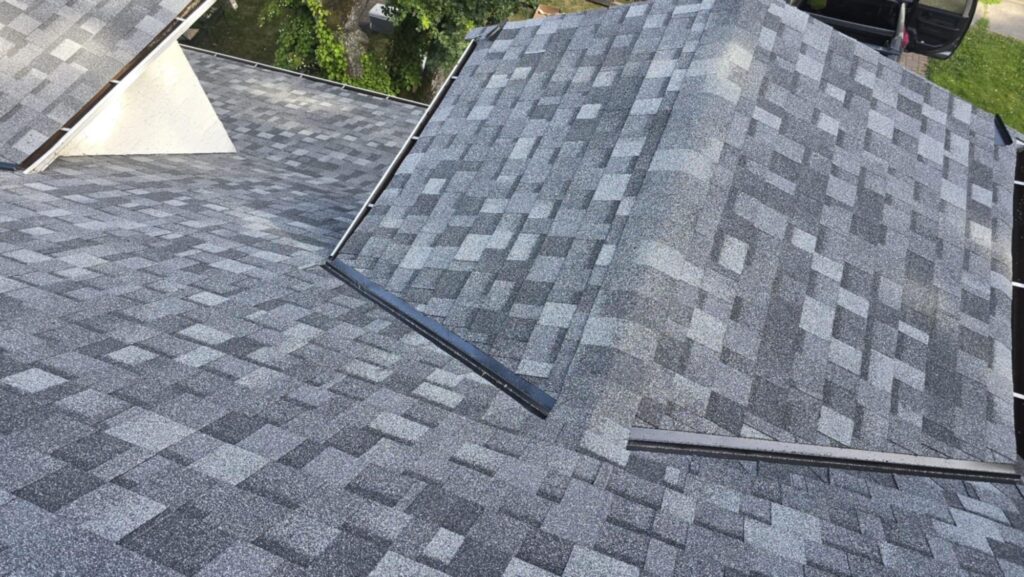
A sloped roof, also called a pitched roof, is designed with angled surfaces that allow water to run off instead of collecting on top of the structure. This slope helps direct water toward gutters and downspouts where it can safely drain away from the home.
Roof pitch is typically measured as a ratio that compares vertical rise to horizontal distance. For example, a 6:12 roof pitch means the roof rises six inches for every twelve inches of horizontal run. The steeper the pitch, the faster water drains from the roof surface. Homes with lower pitched roofs may still drain effectively, but they often rely more heavily on waterproof underlayment and properly installed flashing to prevent leaks.
Common Types Of Sloped Roof Designs
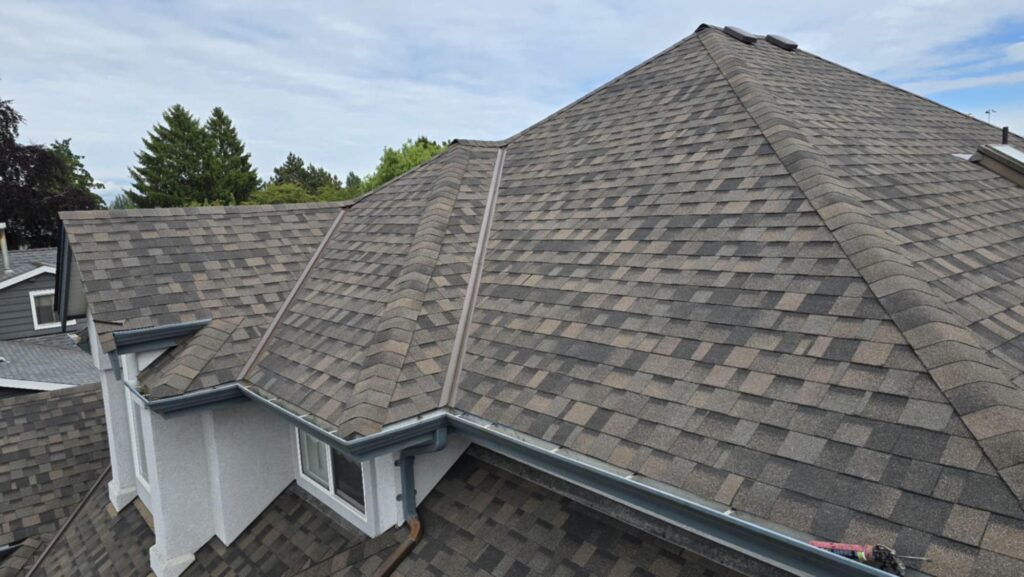
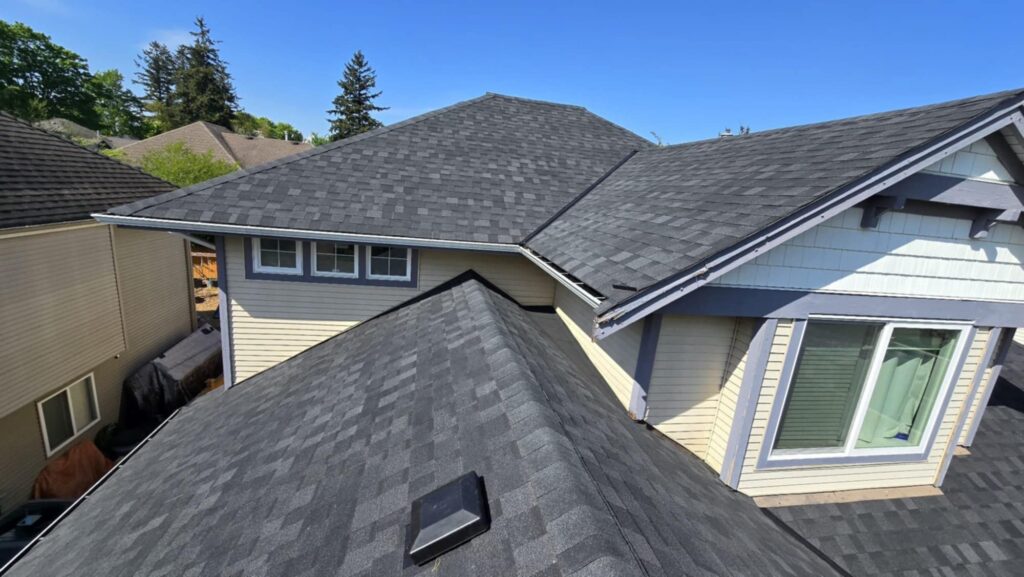
Several residential roof styles use slopes to manage drainage and improve structural performance. Gable roofs are one of the most common designs and feature two sloping sides that meet at a ridge, creating a triangular shape that allows water to shed easily. Hip roofs slope downward on all four sides and offer excellent drainage while also providing strong wind resistance. Shed roofs use a single sloping plane and are frequently used in modern architecture or additions to existing homes. Gambrel roofs include two slopes on each side and are often seen in barn style construction, providing both drainage benefits and additional interior attic space.
Each roof style manages water slightly differently depending on the angle of the slopes, the roofing materials used, and the overall layout of the roof system.
5 Ways A Sloped Roof Improves Drainage
Sloped roofs are specifically designed to help control water flow and protect the home’s structure.
- Gravity assisted runoff: The angled design allows gravity to move rainwater quickly toward gutters and drainage systems.
- Reduced standing water: Sloped surfaces prevent water from pooling, which can cause leaks and premature material deterioration.
- Improved snow shedding: Snow and ice slide off more easily on sloped roofs, reducing excess weight on the structure.
- Better material performance: Roofing materials such as asphalt shingles, metal panels, and cedar shakes perform best when water drains quickly away from the surface.
- More effective gutter systems: Sloped roofs naturally guide water toward gutters, allowing them to function more efficiently.
Sloped Roof Drainage Compared To Flat Roofs
Both sloped and flat roofs can perform well when designed properly, but they manage water differently. Sloped roofs use gravity to move water off the roof, while flat roofs rely on drainage systems such as scuppers or internal drains.
| Roofing Type | Drainage Method | Maintenance Needs |
| Sloped Roof | Gravity driven runoff | Lower risk of standing water |
| Flat Roof | Internal drains or scuppers | Requires frequent inspection |
Flat roofs require careful design to prevent water from pooling. If drains become blocked by debris, standing water can develop and eventually damage roofing membranes or insulation layers. Sloped roofs reduce this risk because water naturally flows downward along the roof’s surface.
Building standards emphasize proper roof drainage because the International Residential Code requires roof drainage systems that direct water away from structures to prevent moisture damage, highlighting the importance of proper roof pitch in residential construction.
Signs Your Roof Drainage May Not Be Working Properly
Even sloped roofs can experience drainage issues if components of the roofing system become damaged or blocked. Identifying these warning signs early can help homeowners prevent expensive repairs and structural damage.
Overflowing Gutters
Gutters play an important role in roof drainage by directing water away from the home’s foundation. When gutters become clogged with leaves, dirt, or debris, water may overflow and run down the exterior walls of the home. This overflow can lead to foundation problems, siding damage, and moisture buildup around the base of the structure. Regular gutter cleaning and inspection help maintain proper water flow and ensure the drainage system continues working effectively.
Damaged Roofing Materials
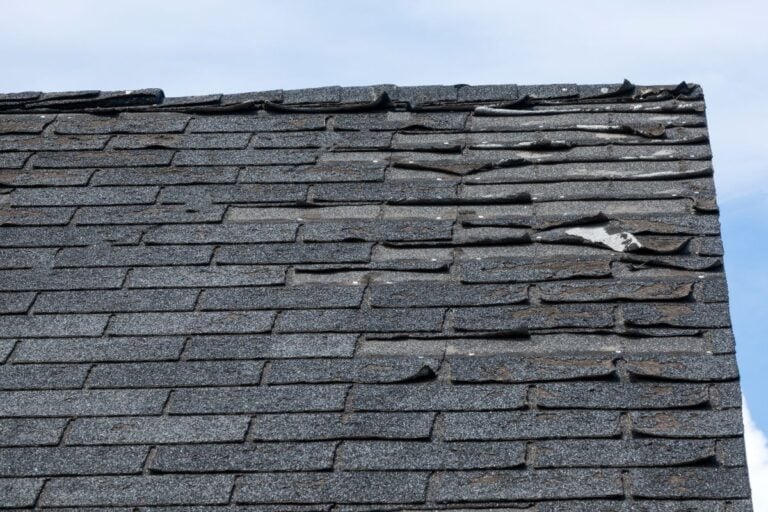
Shingles, flashing, and roof valleys all help guide water safely off the roof. If shingles become cracked or displaced, water may penetrate beneath the roofing surface and cause leaks. Loose flashing around chimneys, vents, or skylights can also interrupt the flow of water and allow moisture to reach vulnerable areas of the roof structure. Routine roof inspections allow contractors to identify these problems early before they lead to larger repairs.
Debris Blocking Roof Valleys
Roof valleys are the areas where two roof slopes meet, and they are responsible for directing large volumes of water toward gutters. Because of this, valleys often collect leaves, branches, and other debris during storms. When debris blocks these areas, water may begin to back up and slowly seep beneath the roofing materials. Keeping roof valleys clear ensures water continues flowing properly and prevents unnecessary strain on the roofing system during heavy rainfall.
Army Roofing Helps Homeowners Protect Sloped Roofs
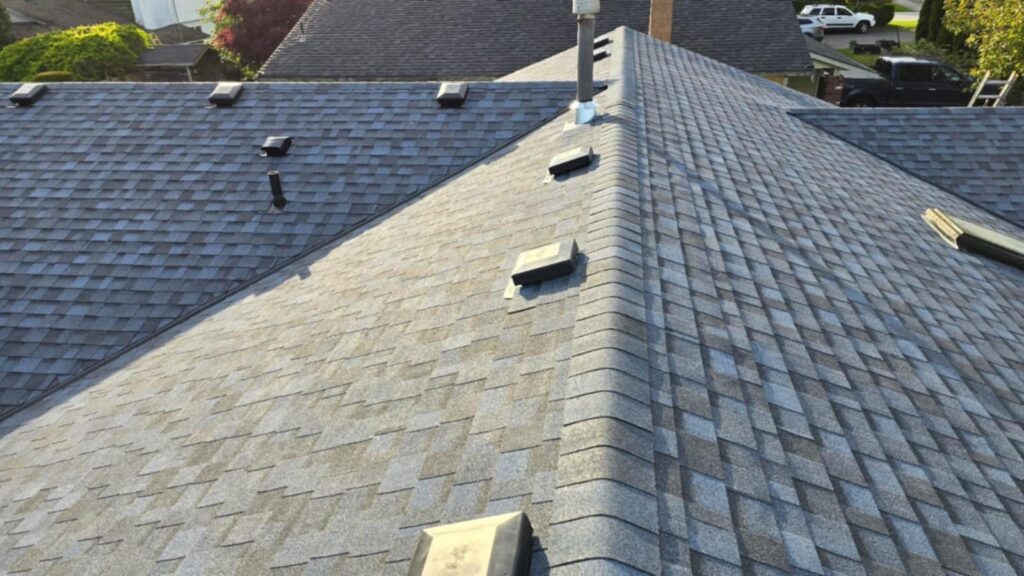
Understanding how a sloped roof improves drainage can help homeowners protect their property from water damage and long term roofing problems.
At Army Roofing, our experienced team helps homeowners maintain strong and reliable roofing systems that are designed to handle heavy rainfall and changing weather conditions. We’re proud to serve home and business owners in Surrey, BC, and nearby communities with roof inspections, repairs, and professional roofing services.
If you want to ensure your roof is draining properly and protecting your home, our team can perform a thorough inspection and provide expert recommendations. Contact Army Roofing today to schedule a professional roof evaluation and keep your roofing system performing at its best.
Recent Articles
The Roof Blog