




Skylight Leak Repair: Causes, Fixes & When to Call In Backup
Skylight leak repair is one of the most frequently misdiagnosed roofing problems homeowners encounter, because water appearing near a skylight is not always caused by the skylight itself. In many cases the actual entry point is the flashing, the surrounding shingles, or a condensation issue that mimics a leak so closely that homeowners replace the entire unit when a targeted repair was all that was needed. Getting the diagnosis right before starting any repair saves money, time, and the frustration of finding the leaking skylight is still dripping after the fix. Misidentified skylight leaks lead to costly repairs that solve the wrong problem entirely. Army Roofing’s team handles skylight leaks as part of a broader approach to roof flashing repair and roofing system maintenance across Surrey and the Lower Mainland. Here is what this blog covers:
- Why skylights are among the most leak-prone areas on a roof
- The main causes of skylight leaks
- What the fix looks like for each cause
- When a repair is enough vs when replacement is needed
- Frequently asked questions for Surrey homeowners
Why Skylights Are Among the Most Leak-Prone Areas on a Roof
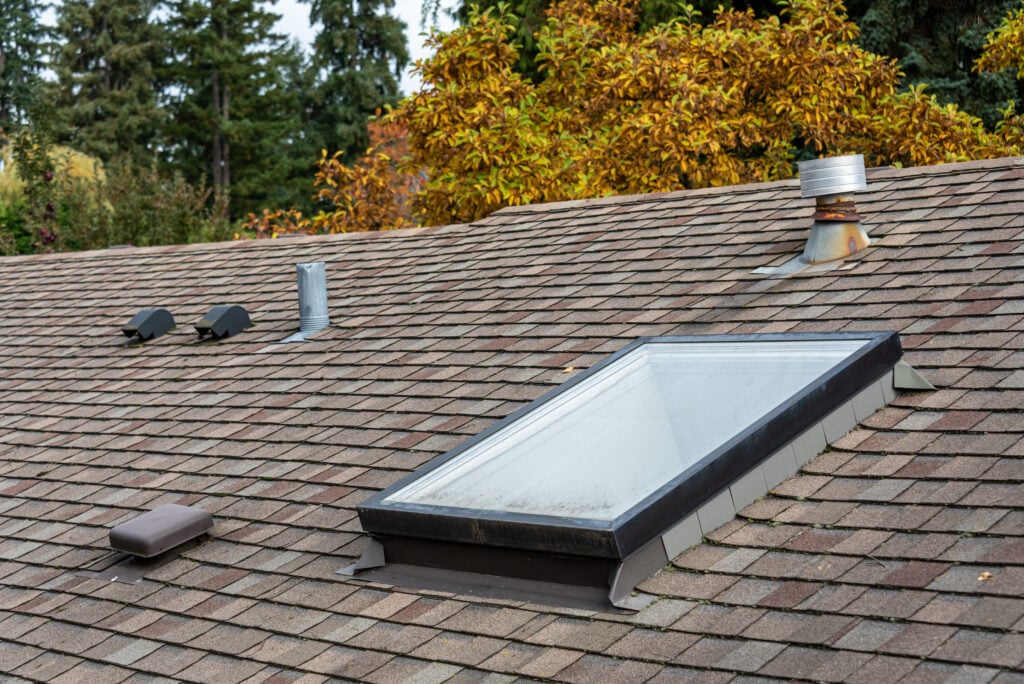
A skylight is a penetration through the roof deck, and every penetration is a potential entry point for water. Unlike a standard section of roof where water simply runs down over overlapping shingles, a skylight requires a complete waterproofing system of its own: a curb or frame, step flashing up the sides, counter flashing over the top, and sealant at all the joints to create a watertight seal. This applies to all skylight styles, from traditional curb-mounted units to tubular skylights, which use a smaller circular shaft to pipe daylight through the ceiling. Each of those components can fail independently, and any one failure creates a path for water to enter.
Fixing leaks at a skylight starts with understanding which component of the roofing material assembly has actually failed. According to Owl Roofing, modern skylight glass is designed to last 30 years or more, and most skylight leaks trace back to failed flashing, deteriorated sealant, or surrounding roofing materials rather than the glazing unit itself. This matters because it means most leaks can be repaired without replacing the skylight, as long as the root cause is correctly identified.
In Surrey and across the Lower Mainland, the combination of persistent rainfall, freeze-thaw cycles in winter, and UV exposure accelerates the failure of all the materials that keep a skylight watertight. Most skylight leaks originate at the skylight frame or the flashing system rather than the glass, and a skylight that was sealed correctly at installation may begin showing problems within 10 to 15 years as those materials degrade.
6 Main Causes of Skylight Leaks
Understanding the cause is the most important step in any skylight leak repair, because the wrong fix for the wrong cause produces no lasting result.
1. Failed or Corroded Flashing
Flashing failure is the most common cause of skylight leaks. The step flashing and counter flashing system that seals the skylight to the surrounding roof uses a metal frame, typically aluminum or galvanized steel, and is subject to corrosion, thermal expansion and contraction, and eventual separation from the sealant that holds it in place. Faulty flashing or damaged flashing at this metal frame is the single most common cause of skylight leaks, and water finds any gap during wind-driven rain events.
- How to identify it: Water appears during or shortly after rain; the entry point is often at the side or uphill edge around the skylight rather than through the glass; visible rust, lifting, or gaps in the metal flashing when inspected from the roof
- The fix: Replacing flashing is the correct solution for a leaky skylight with corrosion or separation at the flashing system. Removing the existing flashing and installing new step and counter flashing with fresh sealant at all joints, professional reflashing typically costs $400 to $800 including labor costs and lasts 15 to 25 years. Roofing cement is sometimes used to seal small gaps at flashing joints as a temporary measure but is not a substitute for proper reflashing.
- DIY vs professional: This is work that should be done by a roofing contractor. Caulking over failed flashing without addressing the underlying separation has a low long-term success rate and can trap water, making the problem worse
2. Deteriorated Sealant
Even when the flashing itself is intact, the sealant applied around the skylight frame and at flashing joints has a finite lifespan. UV exposure, temperature cycling, and moisture cause sealant to harden, crack, and pull away from the surfaces it is supposed to protect. Refreshing sealant every 7 to 10 years is one of the most effective ways to prevent leaks and maintain a watertight seal around the skylight frame before flashing deterioration begins.
- How to identify it: Visible cracking, shrinkage, or gaps in the caulk or sealant bead around the skylight frame; water entry that appears minor and occurs primarily during heavy or wind-driven rainfall
- The fix: Removing all old sealant completely, cleaning the substrate, and applying new roofing-grade sealant. Using a lower-grade consumer caulk or applying new sealant over old without removing it produces a temporary fix at best
- DIY vs professional: Minor sealant replacement around the skylight frame is a manageable DIY repair if the underlying flashing is intact. Average repair costs for sealant-only fixes are modest, but if the leak recurs within a season, a professional inspection is the right next step as the flashing is likely the real issue
3. Condensation Mistaken for a Leak
Not every drip near a skylight is a roof leak. Condensation occurs when warm, humid interior air contacts the cold surface of the skylight glass, particularly in winter months when the temperature differential is greatest. Condensation drips can look exactly like a leak and will cause the same water staining on drywall and trim over time, but the fix is entirely different.
- How to identify it: Moisture or dripping occurs on clear days or overnight rather than exclusively during rain; water appears on the glass itself or on the inner frame rather than tracking in from the edges; the problem improves in warmer months
- The fix: Improving attic ventilation, increasing insulation around the skylight well, or installing a vapour barrier. The roof itself does not need repair
- DIY vs professional: Ventilation improvements can often be addressed without a roofing contractor; identifying whether the problem is condensation or a true leak sometimes requires a professional inspection to rule out a slow-moving flashing failure
4. Failed Insulated Glass Unit (IGU)
Modern skylights use insulated glass units, double-pane glass with a sealed air gap between the panes. When the seal between the panes fails, moisture fogs between the layers and can drip inside, particularly on cool mornings. This is not a roof leak but a glazing failure, and it looks different from both a flashing leak and condensation.
- How to identify it: Fogging or moisture visible between the panes of the skylight glass, not on the interior surface; the problem occurs even in dry weather; moisture tracks from the glass itself rather than from the frame or surrounding roof
- The fix: The sealed unit needs replacement, resealing the exterior of the skylight unit does not fix a failed IGU seal. In many cases this means replacing the glass panel or the entire skylight unit
- DIY vs professional: The skylight lens or full glazing unit requires professional replacement. A complete skylight replacement is sometimes the most practical path when the IGU fails on an older unit, since sourcing a matching replacement glass panel for a discontinued model can be difficult and expensive
5. Damaged Surrounding Shingles or Underlayment
Sometimes the skylight is not the source at all. Water can enter through failed shingles, lifted flashing, or compromised underlayment adjacent to the skylight and travel along the roof deck before dripping through near the skylight opening. This is particularly common in older roofs where the shingles surrounding the skylight have reached end of life before the flashing has.
- How to identify it: Inspection from the roof shows damaged shingles, missing, or curled roofing material in the area around the skylight; the skylight flashing and sealant appear intact; leak location shifts slightly between rain events
- The fix: Replacing damaged shingles or underlayment section around the skylight often results in higher repair costs than a simple sealant fix, since shingle work around a skylight requires careful integration with the existing flashing system
- DIY vs professional: Shingle replacement around a skylight is detailed work that requires careful integration with the existing flashing system; professional repair is recommended to avoid creating new entry points
6. Rotted Curb or Frame
The wooden curb that raises the skylight above the roof plane can rot over time from prolonged moisture contact, particularly if a slow leak has been present for years without repair. When the curb rots, fasteners loosen, flashing cannot seat tightly, and the entire waterproofing system around the skylight becomes unreliable.
- How to identify it: Soft or spongy wood visible at the skylight curb when probed; flashing that appears loose or moves when pressed; a history of recurring skylight leaks that have been patched repeatedly without lasting success
- The fix: Curb rot is generally a reason to replace the skylight rather than repair it. Installing new flashing over a rotted curb will not produce a lasting result; the curb needs to be rebuilt and a new skylight unit installed
- DIY vs professional: Full skylight replacement with a new curb is a roofing project requiring professional installation
We are proud to serve home and business owners in Surrey, BC, and nearby communities with professional roofing inspection, skylight repair, and replacement services and more.
Repair vs Replacement: How to Decide
Most skylight leaks do not require a complete skylight replacement. If the glass is intact, the curb is sound, and the cause is flashing failure or sealant deterioration, a targeted repair is almost always the right approach. Skylight replacement becomes the appropriate call when the curb has rotted, the IGU has failed, the skylight is more than 20 to 25 years old with recurring leak history, or when a full roof replacement is already planned. The most cost-effective time to replace a skylight is during a roof replacement, when the surrounding shingles are already removed and the labour to install new flashing is included in the roofing scope.
Common FAQs for Surrey Homeowners
Skylight questions come up frequently during roof inspections and after rainstorms. Here are the ones we hear most often from homeowners in Surrey and across the Lower Mainland.
How do I tell if my skylight is leaking or if it is just condensation?
The clearest indicator is timing. A true roof leak produces water during or immediately after rain. Condensation typically appears on cold mornings or during high-humidity periods regardless of rainfall. Look at where the moisture originates: condensation forms on the glass surface, while a roof leak enters from the frame edge or tracks in from the surrounding roof. If you are not sure, a roofing contractor can inspect the flashing and surrounding area to confirm whether there is an active entry point.
Can I fix a skylight leak myself with caulk?
A fresh sealant application can address minor sealant deterioration around the frame, but applying caulk over failed flashing without removing and replacing the flashing itself produces a temporary result at best. Caulk applied over a true flashing failure typically lasts one to two seasons before the underlying problem reasserts itself. If the leak recurs after a caulk repair, professional reflashing is the appropriate next step.
How much does professional skylight leak repair typically cost?
Average repair costs for professional reflashing run $400 to $800 depending on skylight size and roof access. Sealant-only repairs cost less. Full skylight replacement, including a new unit and new flashing, typically costs $1,500 or more depending on the skylight model and complexity of the installation. Addressing the repair during a roof replacement significantly reduces the skylight component of the cost since the surrounding shingles are already removed.
How long should skylight flashing last?
Properly installed skylight flashing in aluminum or galvanized steel should last 15 to 25 years. Flashing that was installed incorrectly, used lower-grade materials, or has been subject to repeated freeze-thaw cycles may begin failing earlier. Sealant within the flashing system typically needs refreshing every 7 to 10 years as a maintenance measure to prevent water infiltration before flashing failure occurs.
Army Roofing Finds the Real Source Before Starting the Fix
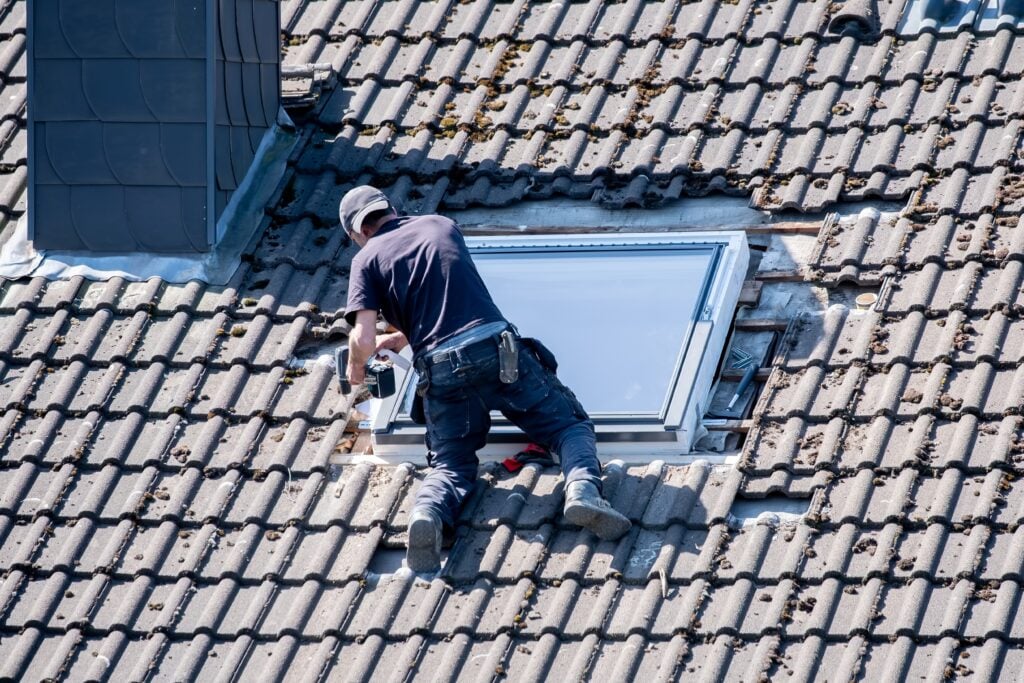
Skylight leaks are only solved when the correct cause is addressed. At Army Roofing, every skylight inspection starts with identifying whether the issue is flashing, sealant, condensation, the surrounding roof, or the unit itself, before any repair work begins. Contact Army Roofing today to book your free inspection in Surrey and across the Lower Mainland and get a clear answer on what your skylight actually needs.
Recent Articles
The Roof Blog