



Metal Roof Valley Vs Shingle Valley: 5 Key Differences
When comparing roofing systems, the valley is one of the most critical and most overlooked areas to evaluate. Understanding how a metal roof valley performs differently from a shingle valley helps homeowners make more informed decisions about materials, maintenance, and long-term value. Valleys are the internal angles where two roof slopes meet, and they channel more water across the roof surface than almost any other area. How that water is managed depends heavily on the roofing system installed. Here is what this guide covers:
- What roof valleys are and why they matter so much
- The five key differences between metal and shingle valleys
- How each system performs under heavy rainfall and debris
- Maintenance requirements for both valley types
- Which option makes the most sense for different homes
Why Roof Valleys Deserve More Attention
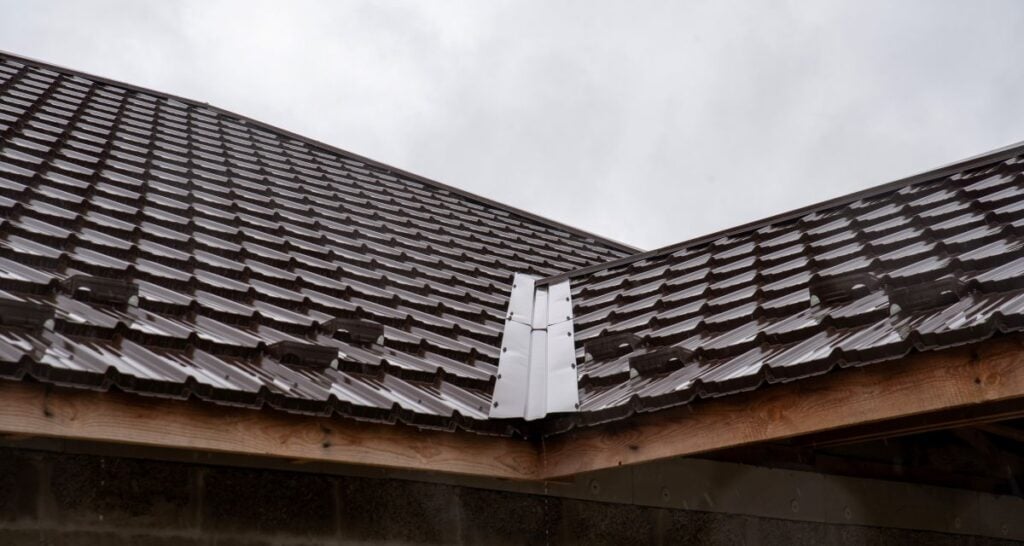
Roof valleys are high-traffic zones for water. Every rainstorm concentrates runoff from two separate roof planes into one channel, meaning valleys take significantly more abuse than the flat sections of the roof on either side. According to FEMA, water damage accounts for 85% of property claims in weather-related home insurance, and improperly maintained or installed valleys are consistently among the leading entry points for roof leaks.
In Delta, BC, and across the Lower Mainland, where annual rainfall is among the highest in Canada, the performance difference between a well-designed valley system and a poorly chosen one becomes apparent very quickly. Choosing the right valley construction is not just about material preference. It is a decision that directly affects how long your new roof lasts and how reliably it keeps water out.
How Valleys Are Constructed
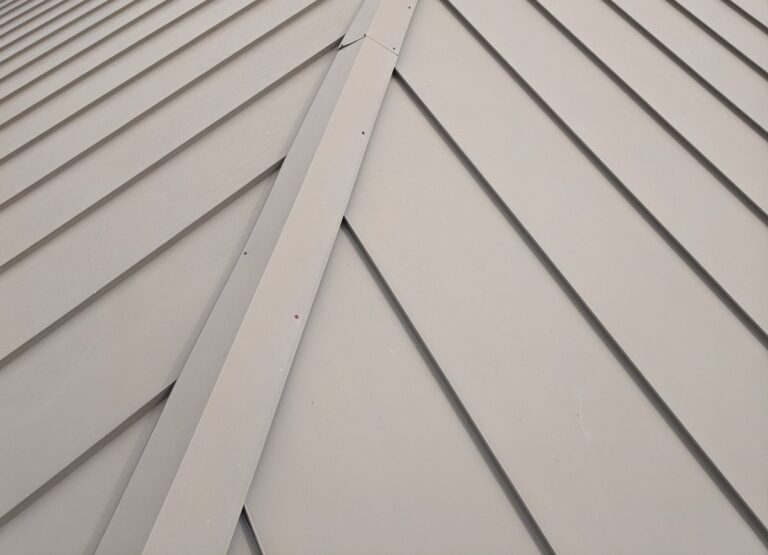
Valley trim installation and construction method vary between metal and shingle roofs, and each approach has its own performance characteristics. The three main valley construction methods used across both systems are:
- Open valley: A metal flashing liner or valley trim runs exposed through the center of the valley, creating a visible channel that sheds water efficiently. Used with both metal and shingle roofs.
- Closed valley: Shingles from one plane are cut along the valley centerline after being overlapped from the other side. Used exclusively with shingle roofs and requires precise installation to avoid roof leaks.
- Woven valley: Shingles from both planes are interlocked as they are installed. Used exclusively with shingle roofs and requires precise workmanship to prevent water infiltration.
Sealing a Roof Valley Correctly
Proper sealing is one of the most important and most overlooked parts of valley trim installation. Even a well-designed valley system will develop roof leaks if the sealing steps are skipped or done incorrectly.
- Tape seal between metal and valley: Using tape seal between the metal panel and the valley trim is crucial to prevent water from rolling back up underneath during installation, which is a common and avoidable source of leaks.
- Steep slope roofs: On steep slope roofs with a pitch greater than 3:12, panels should be cut at an angle for the valley, and the hem end of the panel should be bent and hooked with a cleat to hide fasteners and maintain a clean, watertight seal.
5 Key Differences Between Metal and Shingle Valleys
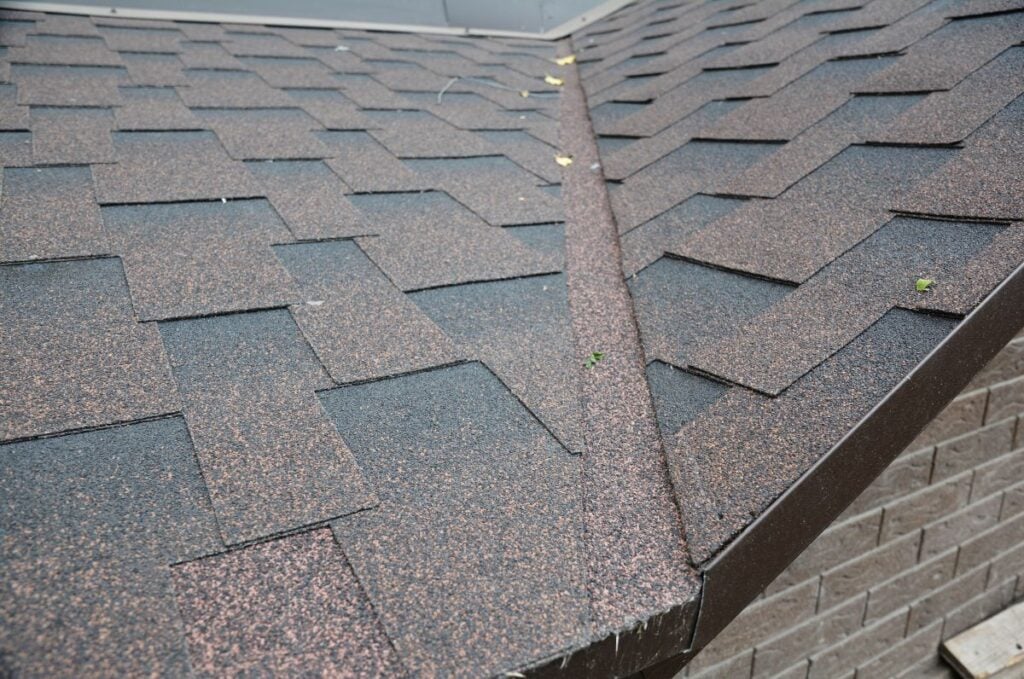
The material your valley is built with affects everything from how fast water clears the channel to how often you will need to get up on the roof for maintenance. Understanding these differences before choosing a roofing system can save significant time and money down the road.
1. Water Shedding Performance
Metal valley systems offer a smooth, rigid surface that moves water off the roof quickly with minimal friction, even during heavy storms. Shingle valleys using a closed valley or woven method introduce more surface area for water to navigate, increasing the risk of cross-wash where volume forces runoff beneath adjoining shingles.
- Metal valley advantage: Consistent profile and smooth surface maintain fast drainage as the system ages.
- Open shingle valley: Performs well when properly installed, though flashing can corrode over time.
- Closed valley and woven methods: More vulnerable to roof leaks if debris accumulates or installation is imprecise.
2. Durability and Lifespan
Metal roofing valley systems built into standing seam or concealed fastener roofs are designed to last as long as the roof itself, typically 40 to 70 years, without cracking, curling, or losing surface protection. Shingle valleys age alongside the broader shingle system and often show wear sooner than the rest of the roof due to concentrated water and debris exposure.
- Metal: Lifespan matches the roof system at 40 to 70 or more years.
- Shingles: Valley performance generally follows the shingle lifespan of 20 to 30 years, with high-traffic areas degrading faster.
- Both systems: Ice and water barrier underlayment beneath the valley trim is critical regardless of surface material.
3. Maintenance Requirements
Metal valleys require relatively little maintenance beyond periodic inspections for debris buildup and confirmation that valley trim installation seams remain tight. Shingle valleys require more active attention, as granular surfaces collect moss, leaves, and organic debris more readily than smooth metal, which is especially relevant in the Lower Mainland’s wet climate.
- Metal maintenance: Annual inspection, debris clearing, and occasional sealant check at flashing edges.
- Shingle maintenance: Regular debris removal, moss treatment, and monitoring for granule loss or lifted edges near the valley centerline.
- Both systems: Professional inspection after major storms is recommended regardless of material.
4. Installation Complexity and Cost
Metal valley trim installation on a standing seam or metal panel new roof requires specialized tools and training, and improper work can void manufacturer warranties and create roof leaks that are difficult to trace. Shingle valley installation is more familiar to a wider range of contractors and involves lower-cost materials, but the savings come with more frequent maintenance needs and a shorter overall lifespan.
- Metal roofing cost: Higher upfront investment, lower long-term maintenance cost, longer replacement cycle.
- Shingle valley cost: Lower initial cost, more frequent maintenance, and replacement typically needed within 20 to 30 years.
- Contractor selection: Valley trim installation should always be performed by an experienced professional regardless of system.
5. Performance in High-Debris and High-Rainfall Environments
Metal valleys handle high-debris environments better than shingle valleys in most cases. Leaves, needles, and small branches slide off smooth metal surfaces more readily than they catch on granular shingle edges, reducing blockages that can lead to water backup and roof leaks. In areas like Delta, BC, where wet seasons are long and tree canopy is dense, this difference matters.
- Metal in high-rainfall regions: Preferred for long-term performance in wet climates where debris and sustained runoff are ongoing concerns.
- Shingles in moderate conditions: Can perform well in lower-rainfall areas with regular maintenance and open valley construction.
- Steep slope roofs: Require careful valley trim installation regardless of material, as increased water velocity adds stress to the valley system with every storm.
Choosing the Right Valley System for Your Home
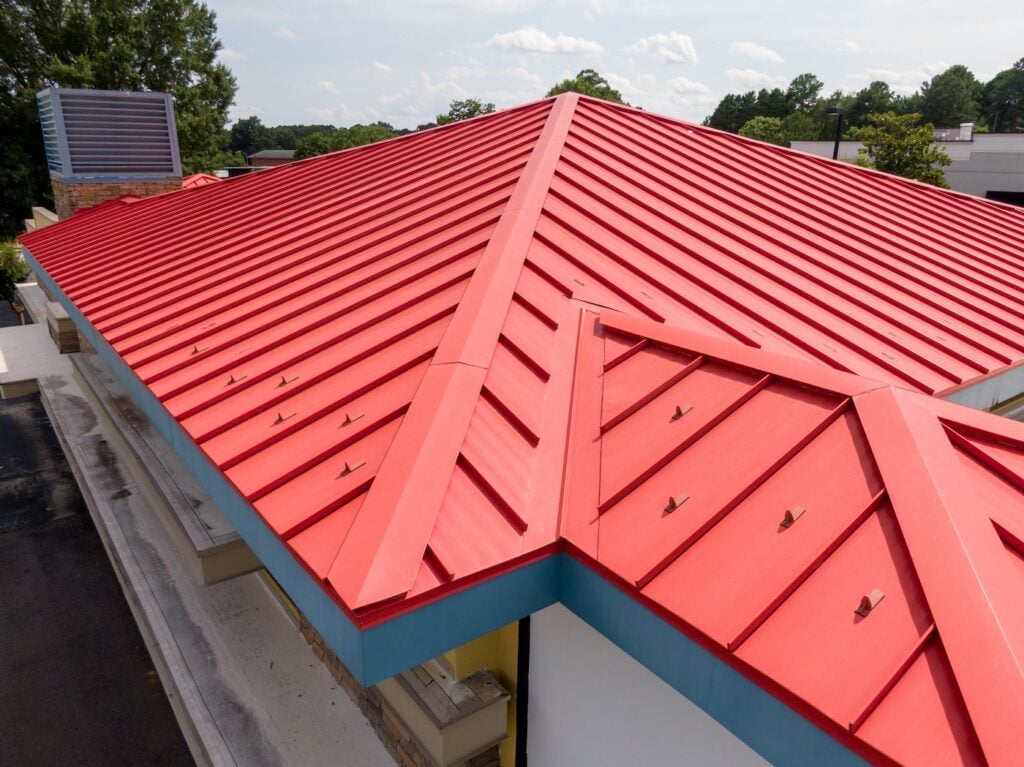
The right choice between a metal and shingle valley depends on your roof’s overall material, your local climate, your budget, and how much ongoing maintenance you are willing to commit to. Here is a side-by-side summary to help frame the decision:
| Factor | Metal Valley | Shingle Valley |
| Lifespan | 40 to 70+ years | 20 to 30 years |
| Water Shedding | Excellent | Good to excellent (open method) |
| Debris Resistance | High | Moderate |
| Maintenance Needs | Low | Moderate to high |
| Upfront Cost | Higher | Lower |
| Installation Complexity | Specialist required | Standard roofing contractor |
Army Roofing Installs Valleys the Right Way
At Army Roofing, we understand that valleys are where roofs succeed or fail, and we install and repair both metal and shingle valley systems with the precision they require. Whether you are comparing roofing systems for a new roof, replacing an aging shingle roof, or dealing with roof leaks from a valley that keeps failing, our team will give you a straight answer and quality workmanship to back it up. We’re proud to serve home and business owners in Delta, BC, and nearby communities with metal roof valley installations, valley trim installation services, shingle valley repairs, and more. Contact Army Roofing today for a free inspection and find out which valley system is the right fit for your home.
Recent Articles
The Roof Blog