



Architectural Shingles Vs Asphalt Shingles Style: 5 Options
When homeowners start comparing architectural shingles vs asphalt shingles, the conversation usually starts with price and ends with appearance, but there is a lot more to the decision than that. Both types fall under the broader asphalt shingle roof category, but they differ significantly in construction, durability, wind resistance, and the range of styles available. Understanding those differences helps you choose the right roofing material for your home rather than simply defaulting to whatever is cheapest or most familiar. Here is what this guide covers:
- What separates architectural shingles from standard 3 tab shingles
- The five most popular style options and how they compare
- Performance differences in wind, impact, and lifespan
- Architectural shingles cost and warranty considerations for both types
- Which option makes the most sense for your home
Architectural vs. Three-Tab: The Core Difference
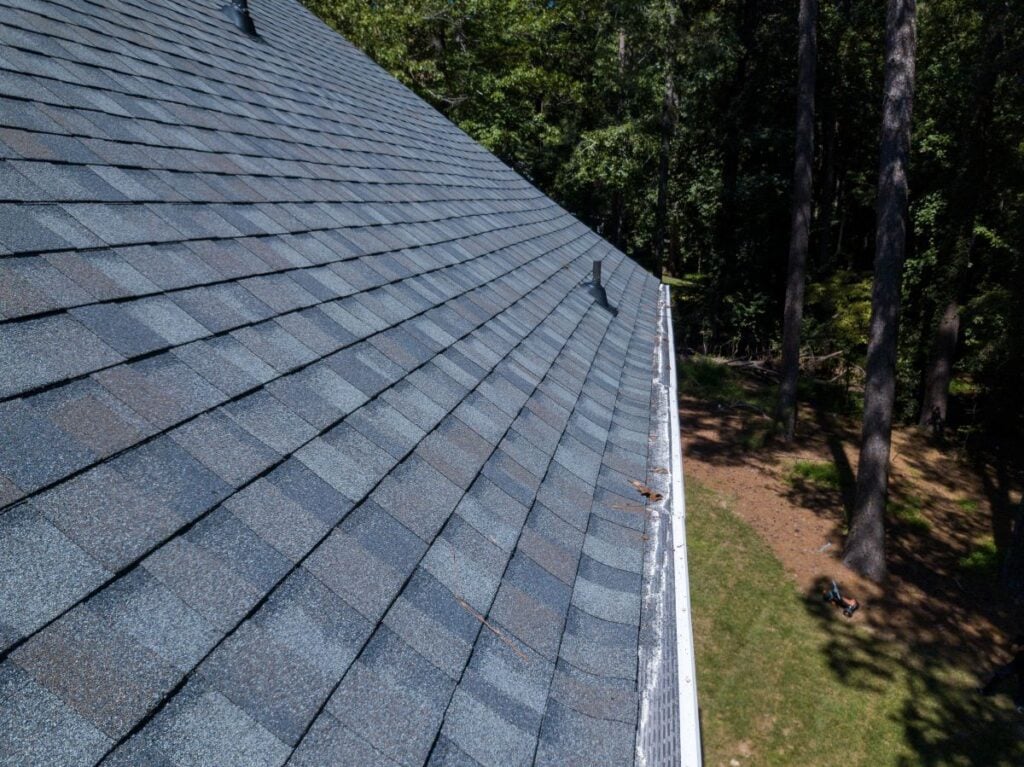
Both architectural and 3 tab shingles are made from a fiberglass mat coated in asphalt and surfaced with ceramic granules, but that is where the similarity ends. Three-tab shingles are a single layer of roofing material cut with two evenly spaced notches along the bottom edge, creating the appearance of three individual tabs. The result is a flat, uniform look that was the residential roofing standard for decades.
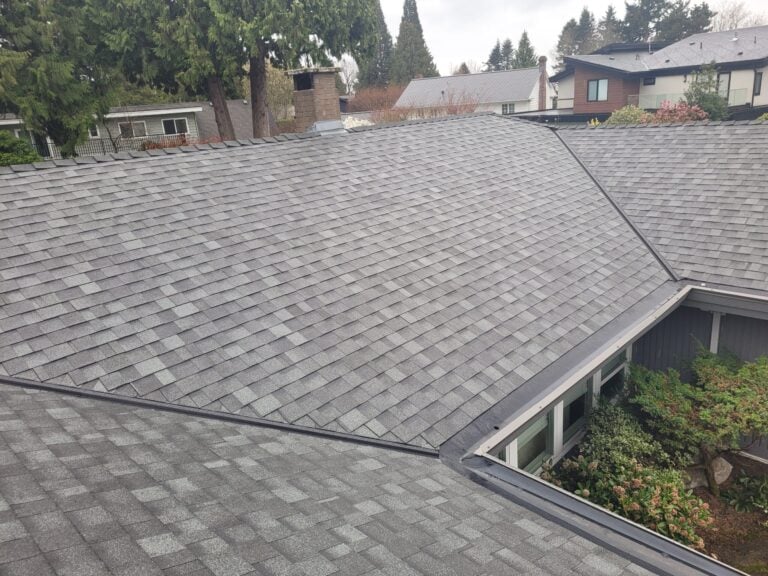
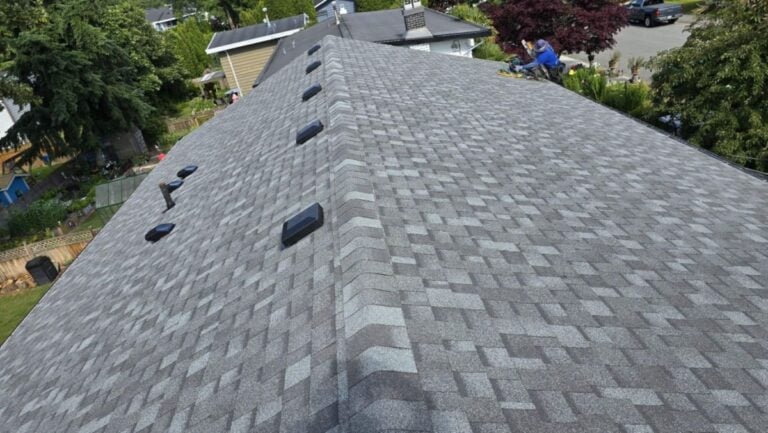
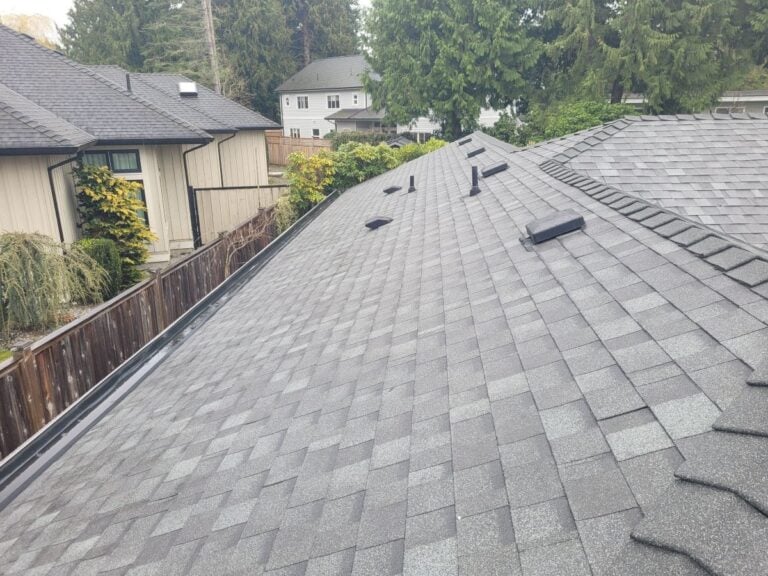
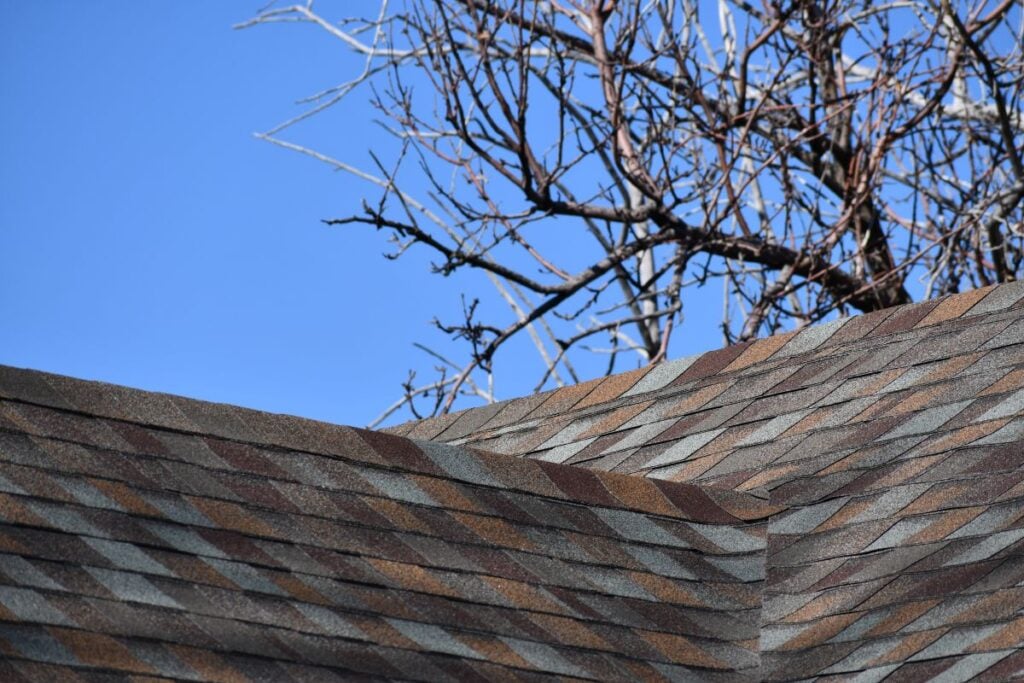
Architectural shingles, also called dimensional or laminate shingles, are built with multiple layers of asphalt fused together over a heavier fiberglass mat, with the lower portion built up to create visible depth and shadow lines. That layered construction makes them significantly thicker and heavier than 3 tab shingles, which contributes to better wind resistance, longer lifespan, superior durability, and a much wider range of visual styles. For any full roof installation, architectural shingles are now the industry baseline.
The Asphalt Roofing Manufacturers Association (ARMA) reported record-breaking domestic shingle shipments in Q4 2024, and per data referenced by the National Roofing Contractors Association, asphalt shingles are installed on approximately 80% of U.S. residential homes, making them the dominant roofing material by a wide margin — yet within that category, architectural shingles have overtaken 3 tab shingles as the preferred choice for new installations and full replacements.
Quick Comparison: Architectural vs. Three-Tab
| Feature | Architectural Shingles | Three-Tab Shingles |
| Construction | Multiple layers laminated | Single layer |
| Lifespan | 25 to 30+ years | 15 to 20 years |
| Wind Resistance | Up to 130 mph | 60 to 70 mph |
| Dimensional Appearance | Yes, textured and layered | No, flat and uniform |
| Architectural Shingles Cost | Moderate to high | Lower upfront |
| Warranty | 30 years to lifetime | 20 to 25 years |
5 Architectural Shingle Style Options to Know
Architectural shingles come in a range of styles that go well beyond the basic dimensional appearance. Choosing the right style depends on your home’s architecture, the look you are going for, and your budget. These five options represent the most widely available and most commonly chosen styles across residential roofing projects.
1. Standard Dimensional Shingles
Standard dimensional shingles are the entry point for the architectural shingle category and the most widely installed roofing material in residential roofing today. They feature multiple layers of asphalt laminated together with staggered tab sizes that create shadow lines and a textured surface profile. The result is a noticeable visual upgrade over 3 tab shingles without the premium architectural shingles cost of specialty styles.
- Appearance: Moderate texture with shadow definition that adds depth and dimensional appearance to the roofline.
- Performance: Wind resistance typically rated at 110 to 130 mph depending on brand and roof installation method.
- Best for: Homeowners who want better performance and resale value than 3 tab shingles at a manageable cost increase.
- Common products: GAF Timberline HDZ, Owens Corning Duration, CertainTeed Landmark.
2. Wood Shake Style Shingles
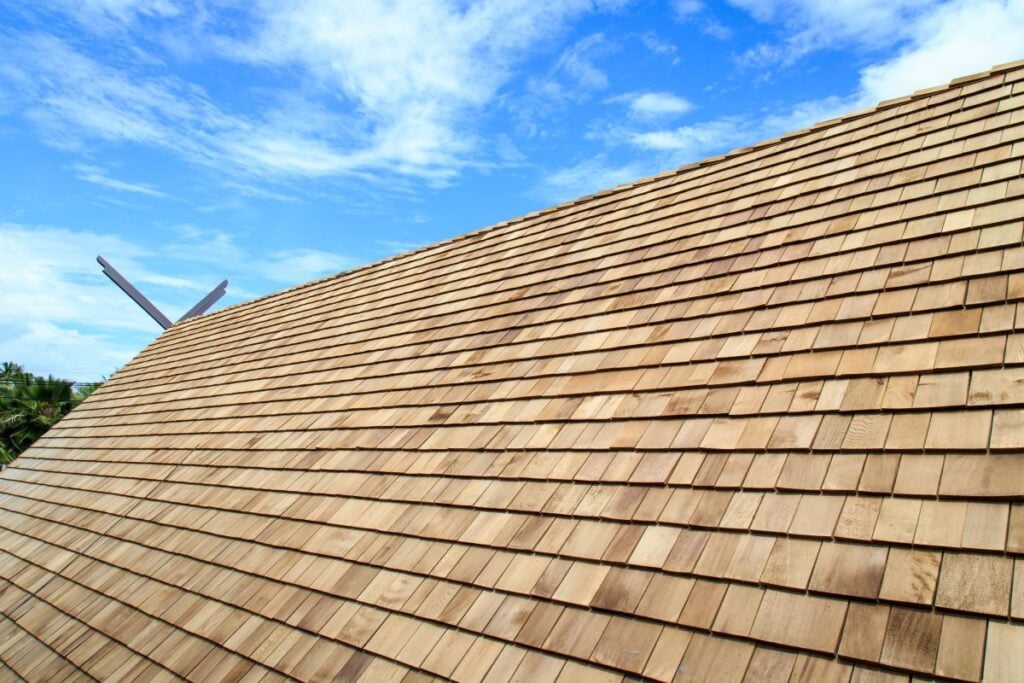
Wood shake style architectural shingles are designed to replicate the appearance of hand-split cedar shake without the maintenance demands of actual wood roofing material. The multiple layers of construction create an irregular, rough-hewn texture that closely mimics natural wood grain, giving the asphalt shingle roof a rustic character that suits craftsman, cottage, and heritage-style homes particularly well.
- Appearance: Deep, irregular texture that closely resembles natural cedar shake from the street.
- Performance: Same structural benefits as standard dimensional shingles, with most products rated at 110 to 130 mph wind resistance.
- Best for: Homes with traditional or craftsman architecture where the dimensional appearance of wood roofing is desired without the upkeep real wood requires.
- Advantage over real wood: Asphalt versions resist moisture, moss, and rot far better than actual cedar shake in wet climates like Coquitlam, BC.
3. Slate Style Shingles
Slate style architectural shingles replicate the clean, refined appearance of natural slate at a fraction of the cost and weight. The multiple layers of laminated construction create a flat, smooth profile with subtle texture variation that mimics the natural cleft surface of real slate. These shingles are popular on traditional, colonial, and formal home styles where a polished, upscale roofline is part of the overall design.
- Appearance: Smooth, refined surface with subtle variation that resembles natural stone from a distance.
- Performance: Standard dimensional performance with wind ratings of 110 to 130 mph depending on product.
- Best for: Homeowners who want the aesthetic of natural slate without the structural reinforcement and very high architectural shingles cost that real slate requires.
- Resale value: The premium dimensional appearance of slate style shingles consistently adds to a home’s curb appeal and perceived value compared to flat 3 tab shingles.
4. Impact-Resistant Architectural Shingles
Impact-resistant architectural shingles are engineered with polymer-modified asphalt and reinforced multiple layers of fiberglass construction specifically to withstand hail, wind-driven debris, and the thermal cycling that causes standard roofing material to crack over time. They carry a Class 4 UL 2218 impact rating, the highest available, and are recommended for homes in areas that see regular storm activity. Class 4 impact-resistant architectural shingles often carry the longest warranties in the asphalt shingle roof category, as they are manufactured with thicker and more durable materials, which enhances their performance and longevity well beyond what standard 3 tab shingles or basic dimensional products can offer.
- Appearance: Available in all standard dimensional and specialty profiles, so the impact-resistant designation does not limit style choices or dimensional appearance.
- Performance: Wind resistance rated at 130 mph or higher, with Class 4 hail impact protection and superior durability under storm conditions.
- Best for: Homes in storm-prone areas where shingle durability and resale value are top priorities alongside curb appeal.
- Insurance benefit: Many homeowners insurance policies offer premium reductions for Class 4 impact-resistant roofing, helping offset the higher architectural shingles cost.
5. Luxury and Designer Architectural Shingles
Luxury and designer architectural shingles represent the top tier of the asphalt shingle roof category. These roofing projects use three or more multiple layers of laminated asphalt to create a thick, heavily textured profile that closely replicates high-end natural materials like slate or aged wood shake. They carry the longest warranties of any asphalt roofing material, often up to 50 years, and deliver a premium dimensional appearance that significantly elevates a home’s resale value and street presence.
- Appearance: The most visually striking option in the asphalt shingle category, with deep shadow lines and rich surface variation.
- Performance: Superior durability and wind resistance ratings, often exceeding standard architectural products.
- Best for: Homeowners investing in a long-term premium roof installation who want the best combination of aesthetics, performance, and warranty coverage.
- Cost consideration: The highest architectural shingles cost in the asphalt category, but the gap narrows considerably when compared to the natural roofing material they replicate.
Is Three-Tab Still Worth Considering?
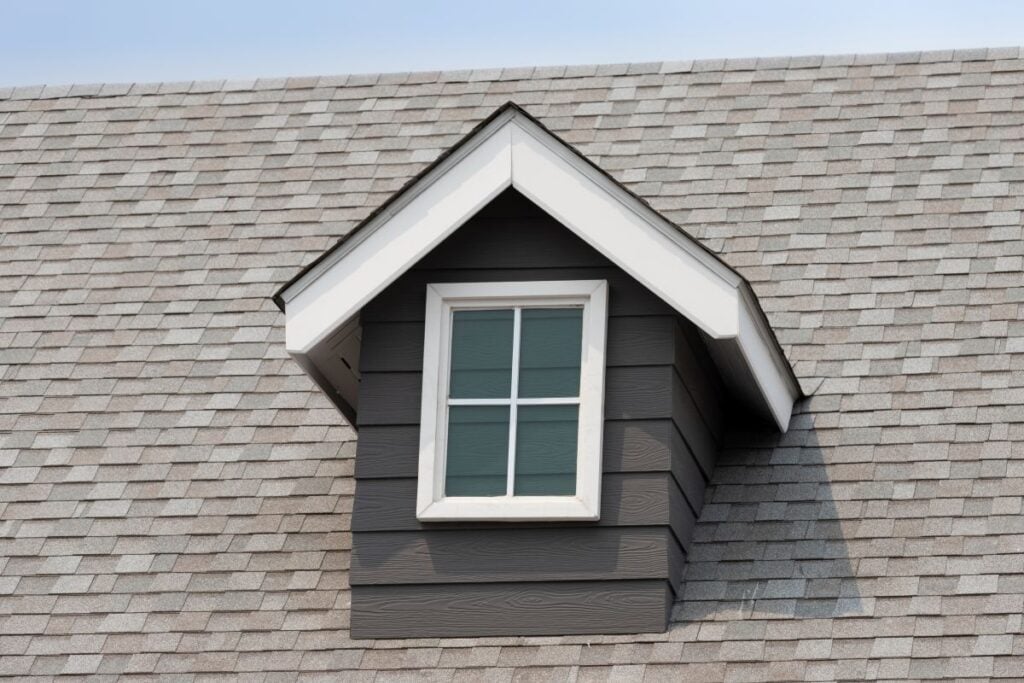
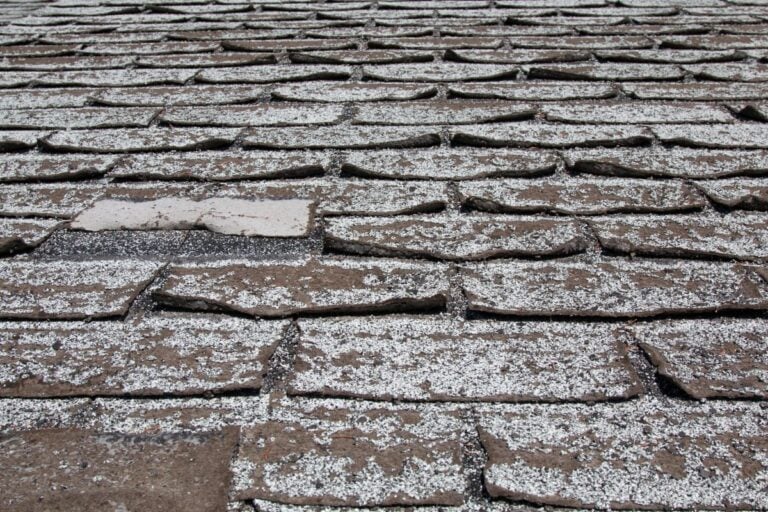
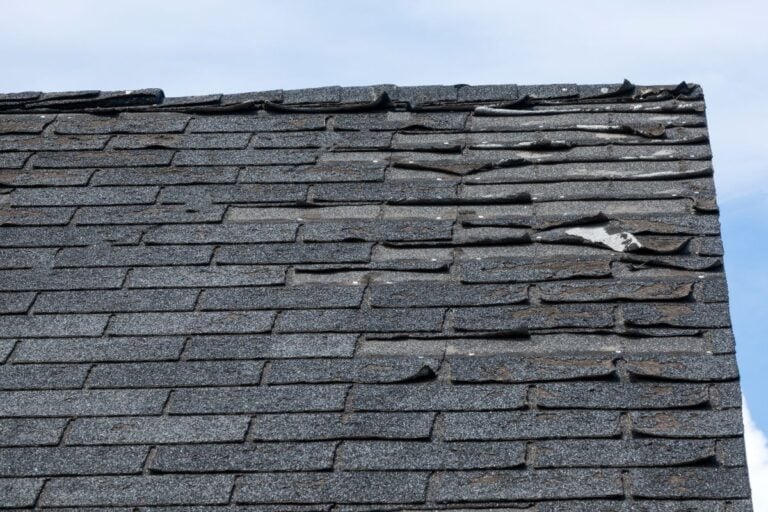
Three-tab shingles remain available and can still make sense in specific situations, but the case for choosing them over architectural shingles has narrowed considerably. Their lower upfront cost is the primary appeal, but a shorter lifespan, lower wind resistance, and declining availability of colors and matching roofing material make them a less practical long-term choice for most roofing projects.
In the Lower Mainland, where wind events and heavy rain are regular seasonal occurrences, the 60 to 70 mph wind rating of 3 tab shingles is a meaningful limitation. Most professional roofing contractors in the region recommend architectural shingles as the baseline for any full roof installation. We’re proud to serve home and business owners in Coquitlam, BC, and nearby communities with architectural shingle installations, shingle consultations, and more.
Army Roofing Helps You Choose the Right Shingle
At Army Roofing, we help homeowners navigate their shingle options honestly, from standard dimensional shingles all the way up to luxury designer products. Whether you are replacing an aging asphalt shingle roof, upgrading your home’s resale value, or starting a new roof installation, our team will help you find the right roofing material for your home, your climate, and your budget. Contact Army Roofing today for a free inspection and find out which shingle style is the best fit for your home.
Recent Articles
The Roof Blog