



Prevent Black Streaks On Roof With 8 Smart Tips
If you have noticed dark discoloration spreading across your shingles, you are likely dealing with black streaks on roof surfaces caused by a cyanobacteria called Gloeocapsa magma. It is one of the most common and misunderstood roofing problems homeowners face, and it is far more than a cosmetic issue. Left untreated, this organism feeds on the limestone filler in asphalt roof shingles, strips protective granules, reduces reflectivity, and gradually shortens the life of the roof. The good news is that preventing algae growth is highly achievable with the right approach. Here is what this guide covers:
- What causes black streaks and dark streaks and why they spread
- The difference between algae, moss, and mildew on a roof
- Eight practical tips to prevent black streaks from forming
- How to safely handle roof cleaning for existing growth
- When professional help is the right call
What Is Causing the Black Streaks on Your Roof?
According to the Asphalt Roofing Manufacturers Association, the black discoloration and dark streaks visible on roofs across the United States and Canada are actually algae — most commonly Gloeocapsa magma — which forms where moisture tends to dwell on roof surfaces, with coastal and humid climates creating the most conducive conditions for growth. By the time the streaks are visible from the ground, the algae has typically been present for several months or longer.
Gloeocapsa magma spreads through airborne spores that travel from roof to roof via wind and wildlife. Once it lands on a shingle surface, it feeds on the calcium carbonate in the limestone filler and thrives in any area that stays damp, particularly north-facing sections and spots with limited sun exposure. The dark appearance is not the algae itself but rather a pigmented protective sheath the organism produces to shield itself from UV rays. In Ladner, BC, and across the Lower Mainland, the combination of high annual rainfall and limited dry periods makes roof shingles particularly vulnerable to algae problems.
Algae vs. Moss vs. Mildew: Knowing the Difference
All three can affect a roof, but they look different and require different responses:
- Algae (black streaks): Appears as dark gray or black dark streaks running down the roof slope. Caused by Gloeocapsa magma. Spreads quickly once established and feeds on shingle granules, making it one of the most cost effective issues to address early.
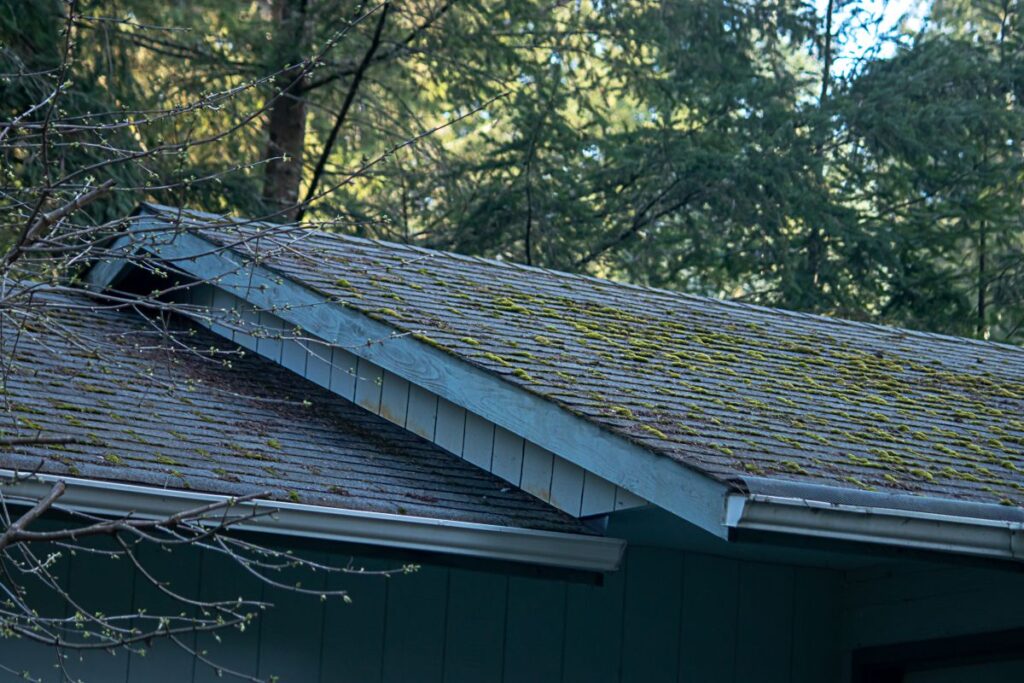
- Moss: Appears as thick, green, carpet-like growth, typically in shaded areas. Moss holds rainwater against the shingle surface and can lift shingle edges over time, accelerating deterioration.
- Mildew: Appears as flat, powdery discoloration, usually lighter in color than algae streaks. Less structurally damaging than moss but still a sign of excess moisture on the roof surface.
How Black Streaks Affect Your Roof’s Lifespan
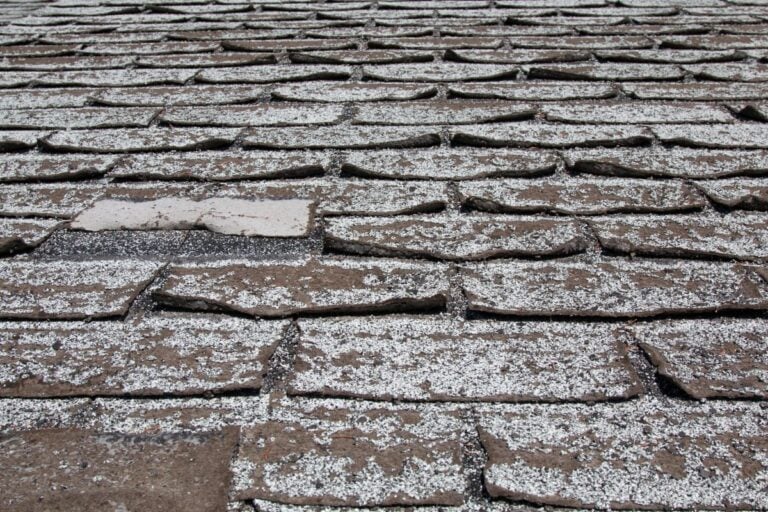
Most homeowners treat dark streaks as a curb appeal problem, but the structural impact on roof shingles is what makes prevention genuinely urgent. Asphalt shingles rely on their protective granule layer to shield the asphalt beneath from UV rays and moisture. When algae takes hold, it gradually loosens those granules, which then wash away with rainwater over time. Once the granule layer thins, the asphalt beneath becomes directly exposed to the elements, causing it to dry out, crack, and deteriorate faster than it otherwise would.
The heat absorption effect compounds the issue. Dark streaks absorb significantly more solar heat than a clean shingle surface, which raises attic temperatures and accelerates the breakdown of the shingle material from below. Over time, algae problems left untreated can reduce the effective lifespan of a roof by years, turning what should be a 25 to 30 year system into one that needs to be replaced well ahead of schedule. Regular roof cleaning and prevention measures are among the most cost effective investments a homeowner can make to protect that timeline. Beyond the structural concerns, widespread dark streaks also impact curb appeal and resale value, which matters when it comes time to sell or refinance.
8 Smart Tips to Prevent Black Streaks on Your Roof
Preventing black streaks is significantly easier and less costly than treating an established infestation. These eight tips address the root conditions that allow Gloeocapsa magma and other organic growth to take hold on roof shingles.
1. Install Algae-Resistant Shingles
The most effective long-term strategy to prevent algae growth starts at installation. Algae-resistant roof shingles are manufactured with copper or zinc granules embedded in the surface coating, which are toxic to Gloeocapsa magma and inhibit colony formation. Most major manufacturers now offer algae-resistant options across their product lines, and they are worth specifying on any new installation or full replacement project.
- Copper-infused granules: Widely regarded as the most effective algae deterrent available in shingle manufacturing.
- Warranty coverage: Many algae-resistant roof shingles come with specific warranties against algae discoloration for 10 to 30 years.
- Cost effective option: The price premium over standard shingles is modest and typically pays for itself by avoiding cleaning and premature replacement costs.
2. Install Zinc or Copper Strips at the Ridge
For existing roofs not installed with algae-resistant shingles, metal strips along the ridge line offer a cost effective retrofit solution to prevent algae growth. When rainwater runs down the slope, it carries trace amounts of zinc or copper with it, creating an inhospitable environment for dark streaks and moss growth across the surface below.
- Zinc strips: Most commonly used and widely available. Install beneath the top course of shingles along the ridge line.
- Copper strips: Slightly more effective and longer-lasting than zinc but carry a higher material cost.
- Coverage area: The protective effect extends approximately 10 to 15 feet down the slope, so larger roofs may need strips at multiple points.
3. Trim Overhanging Tree Branches
Tree canopy over a roof blocks the sunlight that would otherwise dry the shingle surface after rain and deposits organic debris that retains rainwater and feeds algae problems. Keeping branches trimmed back reduces shade and organic matter accumulation, both of which are key contributors to black streaks and moss development.
- Clearance goal: Maintain at least six feet of clearance between tree limbs and the roof surface where possible.
- North-facing slopes: Pay particular attention to shaded sections, as these are the most common starting points for dark streak development.
- Regular trimming schedule: Annual pruning keeps canopy creep in check before it becomes a recurring algae problem.
4. Keep Gutters Clean and Draining Properly
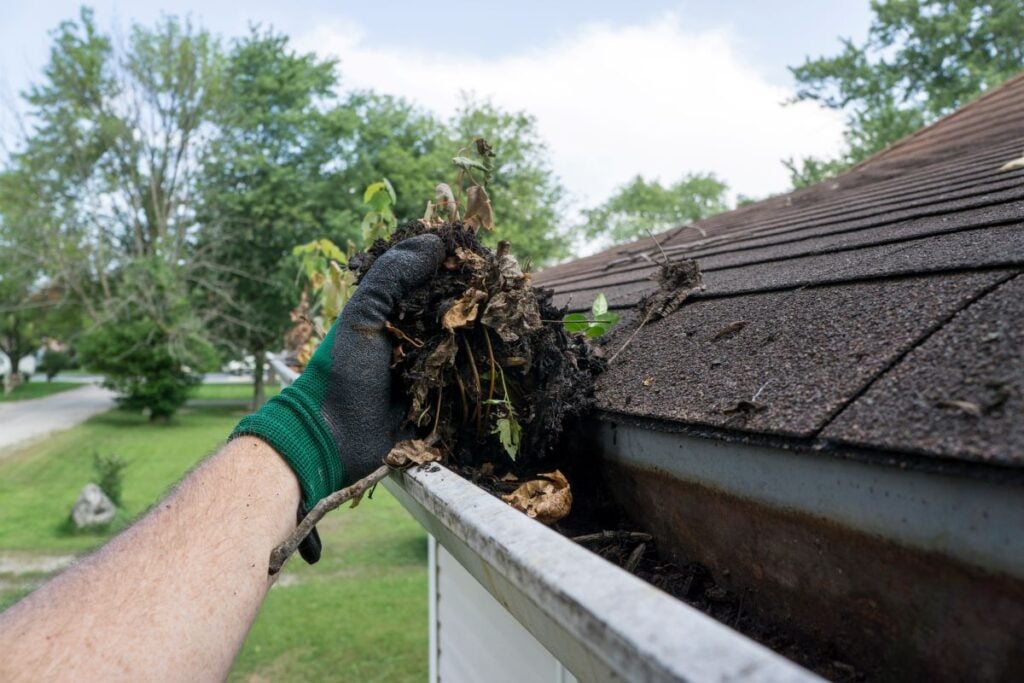
Clogged gutters cause rainwater to back up along the eave line and sit against the lowest courses of roof shingles. This prolonged moisture contact creates ideal conditions for algae problems to establish at the roof edge and gradually spread upward. Regular gutter cleaning keeps water moving away from the roof surface efficiently.
- Cleaning frequency: At minimum, clean gutters twice per year to prevent rainwater backup that contributes to dark streaks.
- Downspout check: Confirm that downspouts are discharging water well away from the foundation and that nothing is blocking flow.
- Gutter guards: Mesh-style guards reduce debris accumulation and can extend the time between cleanings.
5. Improve Roof Ventilation and Attic Airflow
Excess moisture in the attic elevates humidity against the underside of the roof deck, keeping roof shingles damp longer after rain events and accelerating algae problems. A properly balanced ventilation system with adequate soffit and ridge vents allows warm, moist air to exit continuously, helping the roof dry faster.
- Signs of poor ventilation: Condensation on roof sheathing, ice dams in winter, and persistent dark streaks on shaded sections all indicate inadequate attic airflow.
- Ventilation balance: Effective systems require both intake vents at the soffit and exhaust vents at or near the ridge to create consistent airflow.
- Professional assessment: A roofing contractor can evaluate your current ventilation setup and identify gaps during a routine inspection.
6. Apply a Preventative Roof Treatment
Preventative chemical treatments applied to clean roof shingles can inhibit algae growth for one to several years. Applying a treatment before growth appears is significantly more cost effective than treating an established colony of dark streaks, and the process is straightforward enough for most homeowners to manage on accessible roof sections.
- Application timing: Late summer or early fall, when organic growth is most active, is generally the most effective time for preventative roof cleaning treatment.
- Product selection: Use treatments specifically formulated for asphalt roof shingles and follow manufacturer dilution instructions carefully to avoid granule damage.
- Professional application: For steep or multi-story roofs, professional application using soft wash equipment ensures even coverage without safety risk.
7. Clean Existing Streaks Safely
Roof cleaning done incorrectly causes more damage than the algae itself. High-pressure washing strips protective granules from roof shingles, shortens the roof’s lifespan, and can void manufacturer warranties. The right approach uses low pressure and the correct cleaning solutions to kill dark streaks at the source without damaging the shingle surface.
- Bleach solution method: The Asphalt Roofing Manufacturers Association recommends applying a bleach solution to wet the shingles without creating streams, allowing it to dwell for 15 to 20 minutes to lighten dark streaks before rinsing gently with a garden hose.
- DIY mix: Mix equal parts household bleach and water in a garden pump sprayer to create a solution that can effectively kill algae without harming roof shingles when applied correctly.
- Oxygen-based cleaners: Using oxygen-based cleaners is a gentler alternative for roof cleaning, though results may take several months to appear compared to bleach-based solutions.
- Avoid pressure washing: High-pressure washing is not an approved roof cleaning method for asphalt shingles and causes granule loss that accelerates the need to replace the roof.
8. Schedule Annual Roof Inspections
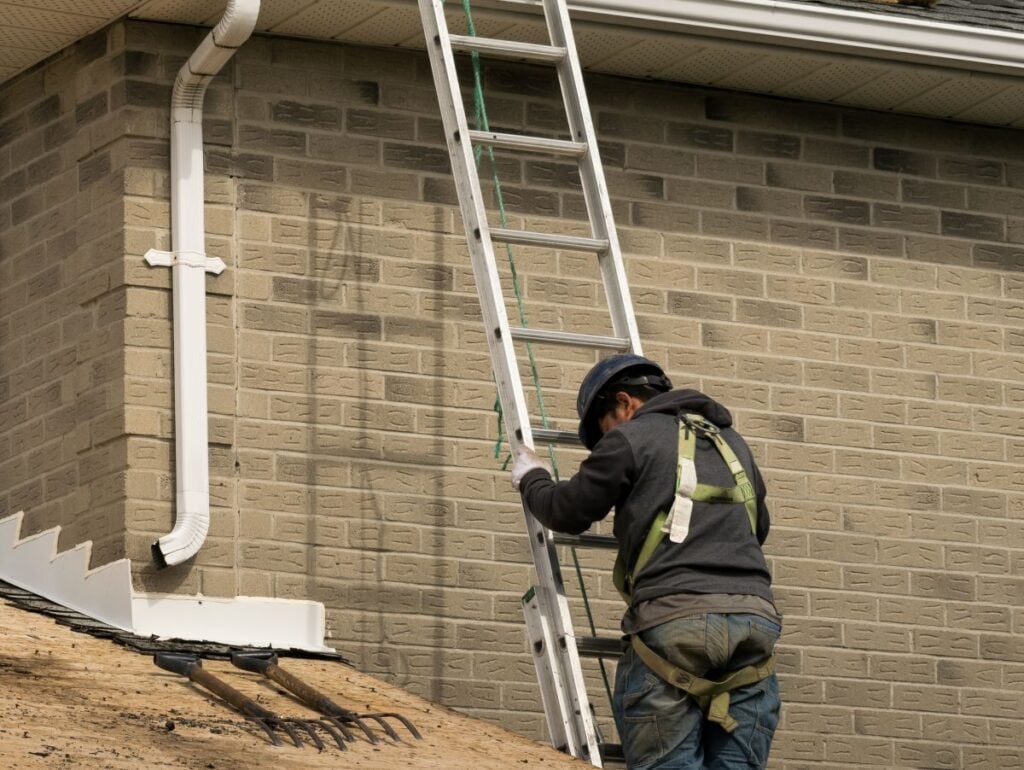
Catching dark streaks early, before they cover large sections of the roof and become a serious algae problem, makes roof cleaning far simpler and less costly. An annual professional inspection identifies early-stage algae growth, areas of rainwater retention, and underlying conditions like poor ventilation that encourage organic growth.
- Post-storm inspections: Heavy rainfall events can wash algae spores across new sections of the roof. A post-storm check is especially valuable in wet climates like the Lower Mainland.
- Documentation: Keeping records of inspection findings over time helps identify patterns and address recurring algae problems before they become chronic.
- Paired maintenance: Combine the annual inspection with gutter cleaning and preventative roof treatment to address all contributing factors in one visit.
We’re proud to serve home and business owners in Ladner, BC, and nearby communities with roof algae prevention, roof cleaning, inspections, and more.
Army Roofing Keeps Your Roof Clean and Protected
At Army Roofing, we treat black streaks as a roofing problem, not just a curb appeal issue, because that is exactly what they are. Our team can assess the extent of existing algae problems, recommend the right preventative measures for your specific roof shingles and climate, and perform professional roof cleaning and treatment that protects your shingles without damaging them. Contact Army Roofing today for a free inspection and keep your roof performing its best for years to come.
Recent Articles
The Roof Blog