



Average Cost To Tear Off And Replace Roof (Full Breakdown)
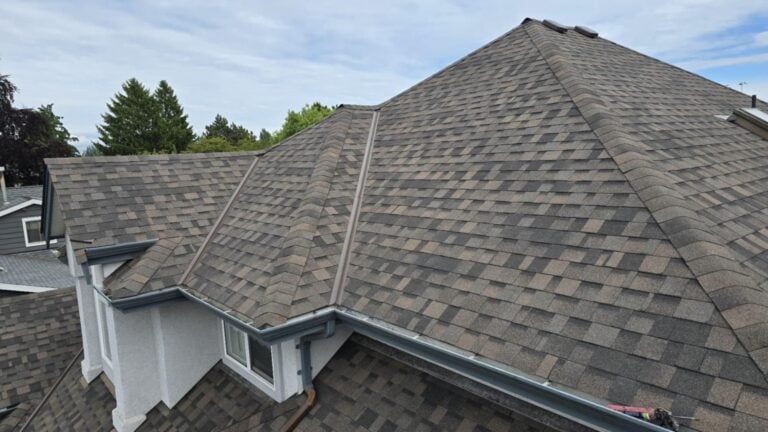
The average cost to tear off and replace roof systems depends on several important factors, including roof size, materials, labor, and potential structural repairs. When homeowners research the average cost to tear off and replace a roof, they are usually trying to understand what a full replacement project might realistically cost and what goes into that price. Knowing how roofing contractors calculate these costs can help you plan your budget and avoid unexpected expenses. Before starting a roof replacement, it helps to understand what goes into the cost and why pricing can differ from one home to another.
• The size and pitch of the roof play a major role in total costs.
• Roofing materials can dramatically change the price of a replacement.
• Labor, disposal, and underlayment all contribute to the final cost.
• Local weather conditions can influence the type of roofing system needed.
Homeowners in areas like Vancouver often need durable roofing systems due to consistent rain and coastal weather patterns, which can influence both material selection and pricing.
What Is Included In A Roof Tear Off And Replacement?
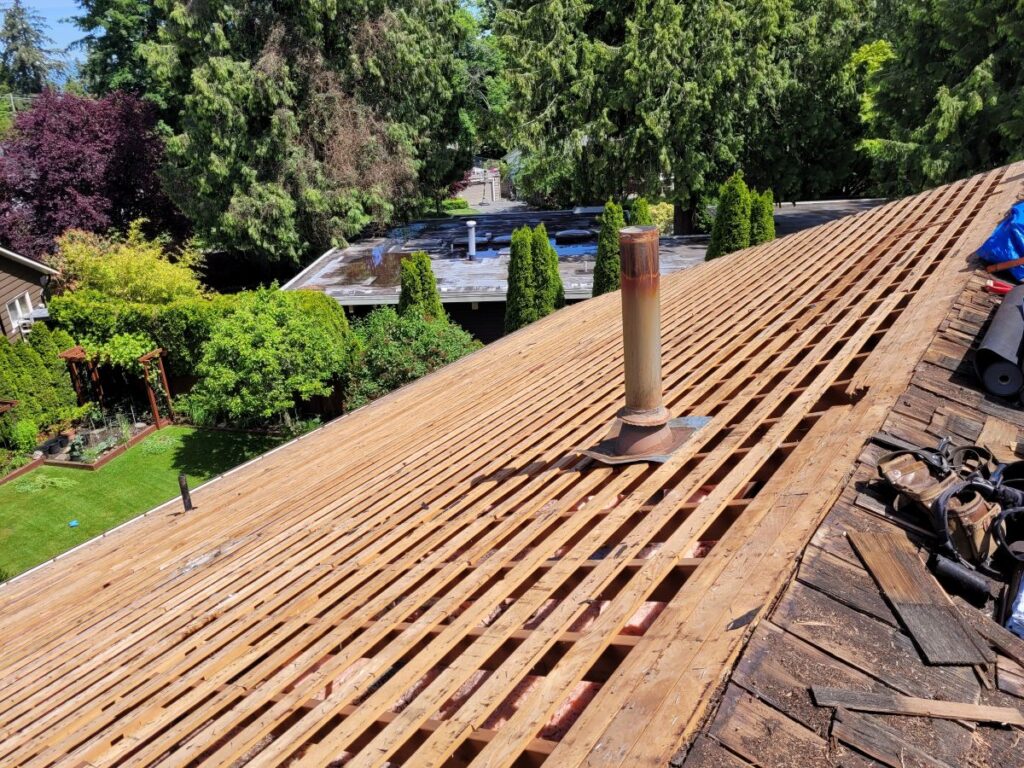
A roof replacement involves much more than simply installing new shingles. When contractors tear off an old roof, they inspect the entire roofing structure and rebuild critical layers to ensure the new roof lasts as long as possible.
This process ensures the roof system works properly and protects the home from moisture, wind, and structural damage.
Removing The Existing Roofing Material
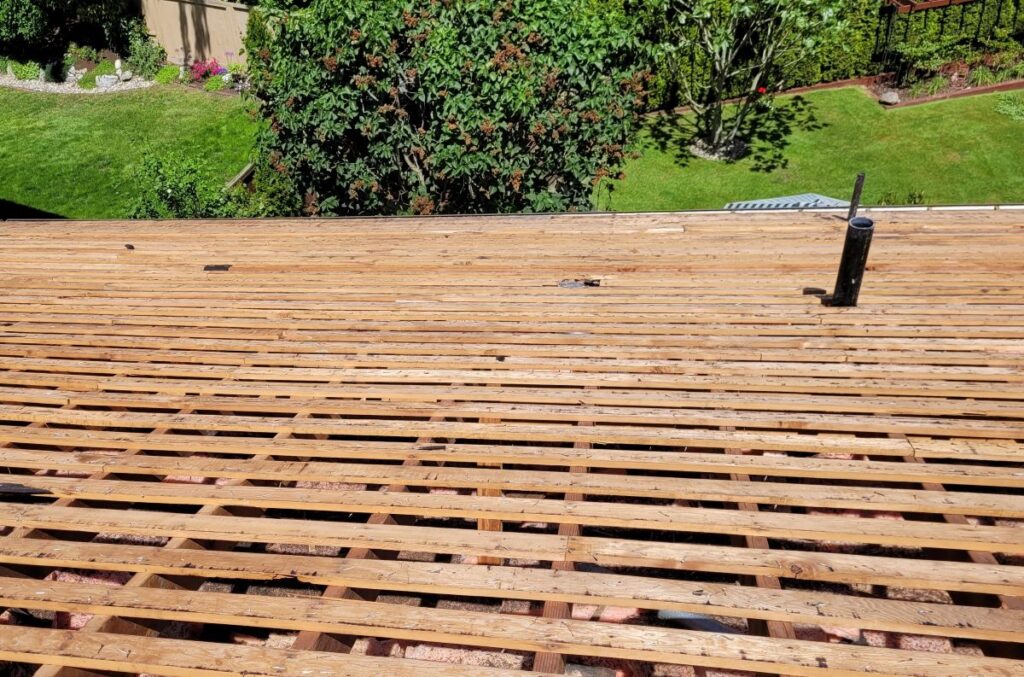
The first step in a roof replacement is tearing off the existing roofing materials. This includes removing old shingles, underlayment, nails, flashing, and any damaged components. Removing everything down to the roof deck allows contractors to inspect the structure underneath. If rot, mold, or water damage is discovered, repairs can be completed before installing the new roofing system. This step is essential because installing new shingles over hidden damage can lead to costly problems later.
Inspecting And Repairing The Roof Deck
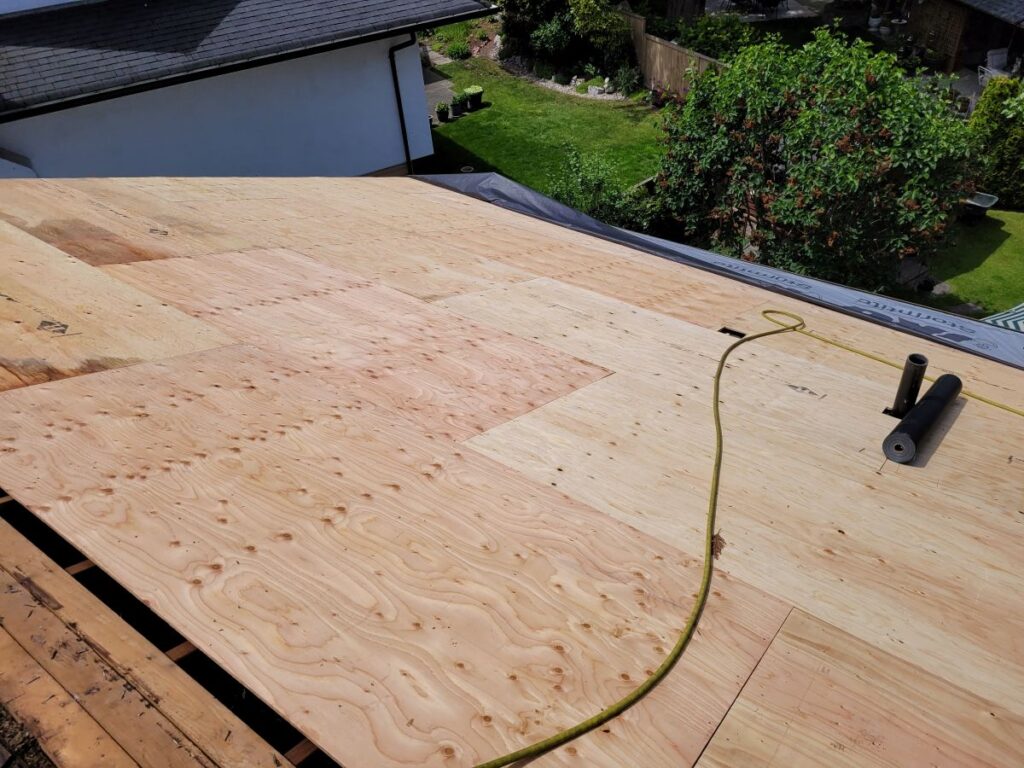
After the old materials are removed, the roof deck is inspected carefully. The deck is the foundation of the roofing system and must be strong enough to support the new materials. Contractors may need to replace sections of plywood or oriented strand board if water damage has weakened the deck. While this can increase the project cost slightly, it ensures the roof will remain stable and durable for many years.
Installing Underlayment And Weather Protection
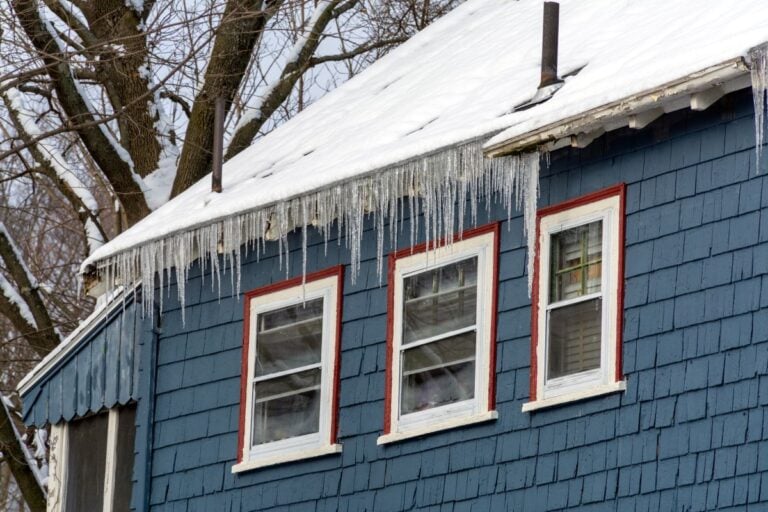
Once the deck is secure, roofing contractors install a protective underlayment. This waterproof barrier protects the home from moisture and provides an additional layer of defense beneath the shingles. Ice and water shields may also be installed in vulnerable areas such as roof valleys, eaves, and around chimneys. These extra layers help prevent leaks and protect the structure during heavy rain or snow.
7 Factors That Affect The Average Cost To Tear Off And Replace Roof
Several variables influence how much homeowners ultimately pay for a roof replacement. Understanding these factors can help homeowners estimate their roofing budget more accurately.
- Roof size: Larger roofs require more materials, labor, and disposal costs, which increases the overall price.
- Roof pitch: Steeper roofs require additional safety equipment and time, which can increase labor costs.
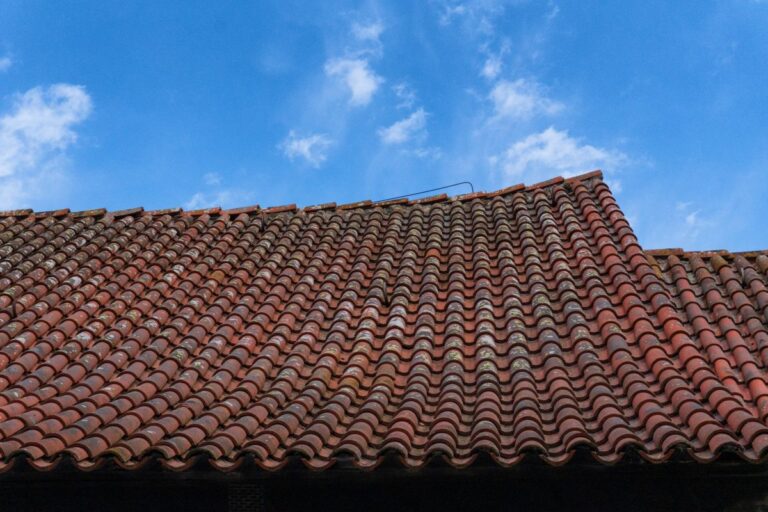
- Material choice: Asphalt shingles are typically the most affordable option, while metal or slate roofing can cost significantly more.
- Existing damage: Structural repairs or replacing sections of roof decking will add to the overall cost.
- Labor rates: Roofing labor costs vary depending on the region and the complexity of the project.
- Accessibility: Homes with difficult access or complex rooflines may require additional time and equipment.
- Disposal fees: Removing and disposing of old roofing materials is part of the project and can affect the final price.

Average Roofing Replacement Costs By Material
Roofing material is one of the largest factors that determines the overall cost of replacing a roof. Each type offers different durability, appearance, and lifespan.
| Roofing Material | Average Cost Per Square (Installed) | Typical Lifespan |
| Asphalt Shingles | $350 – $550 | 20–30 years |
| Architectural Shingles | $450 – $700 | 30–40 years |
| Metal Roofing | $900 – $1,500 | 40–70 years |
| Cedar Shake | $900 – $1,200 | 30–50 years |
| Slate Roofing | $1,500 – $3,000 | 75–100+ years |
While asphalt shingles remain the most common choice due to their affordability, premium materials can offer longer lifespans and improved durability.
According to Remodeling Magazine’s Cost vs Value Report, homeowners recover about 60% of the cost of a new asphalt shingle roof when selling their home, making roof replacement a valuable investment for homeowners planning to sell in the future.
How Roof Size Impacts Replacement Costs
Roofing contractors often measure roofs in “squares,” where one square equals 100 square feet of roofing area. The larger the roof, the more materials and labor will be required.
Typical Cost By Roof Size
The following estimates represent typical ranges for full tear-off and replacement projects. Homes with complex roof designs or multiple slopes may fall on the higher end of these ranges.
| Roof Size | Estimated Cost Range |
| 1,000 sq ft | $5,000 – $8,000 |
| 1,500 sq ft | $7,000 – $11,000 |
| 2,000 sq ft | $9,000 – $14,000 |
| 2,500 sq ft | $11,000 – $18,000 |
| 3,000 sq ft | $14,000 – $24,000 |
Why Larger Roofs Cost More
Larger roofs require additional materials such as shingles, underlayment, flashing, ridge caps, and ventilation components. Labor costs also increase because roofing crews need more time to complete the installation. Additionally, disposal costs rise as more old roofing material must be removed and hauled away.
Signs It May Be Time To Replace Your Roof
Many homeowners delay roof replacements until significant problems appear. However, recognizing early warning signs can prevent more expensive structural damage.
Aging Roofing Materials
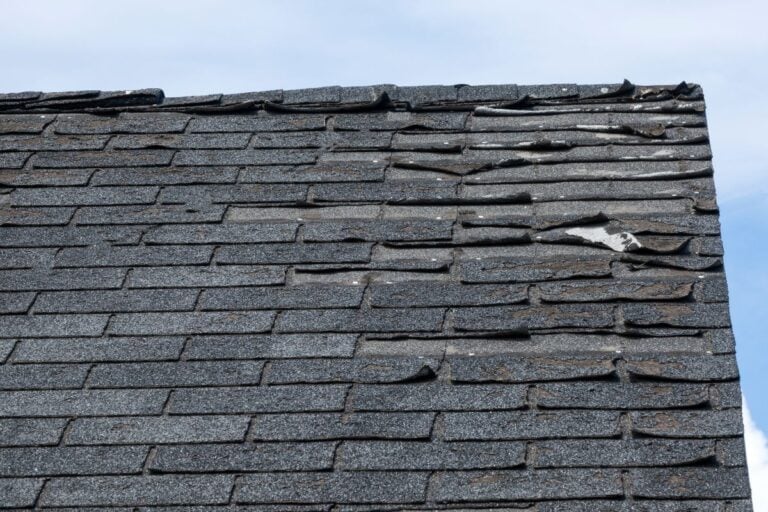
Most asphalt shingle roofs last between 20 and 30 years depending on the climate and installation quality. As shingles age, they lose granules, become brittle, and may begin curling or cracking. When these signs appear across large areas of the roof, a replacement is usually more cost effective than repeated repairs.
Frequent Leaks Or Water Damage
If water stains appear on ceilings or attic insulation becomes damp, the roof may have developed significant vulnerabilities. Multiple leaks are often a sign that the roofing system has reached the end of its lifespan. Prompt replacement can prevent additional damage to insulation, drywall, and structural components.
Storm Damage
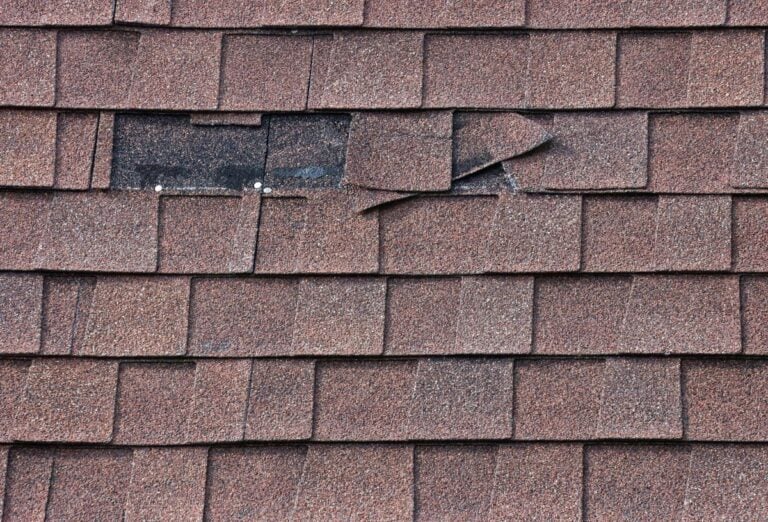
Storms can cause missing shingles, damaged flashing, or hidden structural problems. In areas with frequent wind or heavy rain, roofing systems may wear down faster than expected.
Regular inspections can help homeowners identify storm damage early and determine whether repairs or replacement are necessary.
Army Roofing: Reliable Roof Replacement You Can Trust
Understanding the average cost to tear off and replace roof systems can help homeowners plan ahead and make informed decisions about their roofing investment. At Army Roofing, our team is dedicated to helping homeowners protect their properties with durable, professionally installed roofing systems. We’re proud to serve home and business owners in Burnaby, BC, and nearby communities with roof replacement, inspections, and expert guidance.
Whether your roof is reaching the end of its lifespan or you’re dealing with storm damage, our experienced team can evaluate your roof and recommend the best solution. Reach out to Army Roofing today to schedule a professional roof inspection and learn more about your replacement cost.
Recent Articles
The Roof Blog