



Eco Friendly Roofing Vs Traditional Roofs: 6 Choices
Eco friendly roofing has moved well beyond a niche preference and into the mainstream conversation for BC homeowners who want a roof that performs well, lasts longer, and carries a smaller environmental footprint than a standard asphalt replacement. The choice between sustainable and traditional roofing options involves trade-offs in upfront cost, lifespan, performance, and long-term environmental impact that are worth understanding before your next roof project. If you are weighing your options, Army Roofing carries materials built for both performance and longevity, including several with strong sustainability credentials. Here is what this blog covers:
- Why the environmental impact of traditional roofing matters
- 6 roofing choices compared across sustainability and performance
- A side-by-side comparison table
- Frequently asked questions for Port Moody homeowners
Why the Environmental Footprint of Your Roof Matters
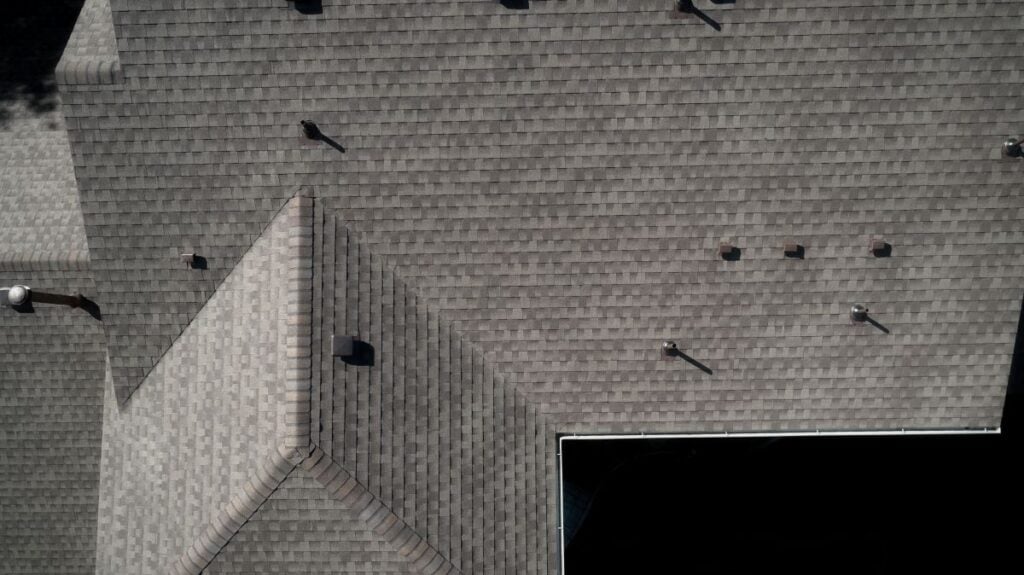
Most homeowners think of a roof as a functional purchase rather than an environmental one, but the material choices made on millions of rooftops add up significantly. According to the Environmental Protection Agency, asphalt shingles are one of the largest contributors to construction and demolition debris in landfills, accounting for an estimated 11 million tons or more per year in the United States alone. Asphalt shingles can take 300 to 500 years to decompose, according to the EPA, which means virtually every asphalt shingle ever disposed of is still sitting in a landfill somewhere.
In Port Moody and across the Lower Mainland, where environmental values run high and energy efficiency matters through both cold wet winters and warm summers, the roofing material you choose affects more than the cost line on your invoice. It affects your home’s energy performance, how much waste your replacement generates, and how often you will need to go through the whole process again.
6 Roofing Choices Compared
Here are six roofing options across the sustainability spectrum, from the most traditional to the most environmentally forward-looking.
1. Traditional Asphalt Shingles
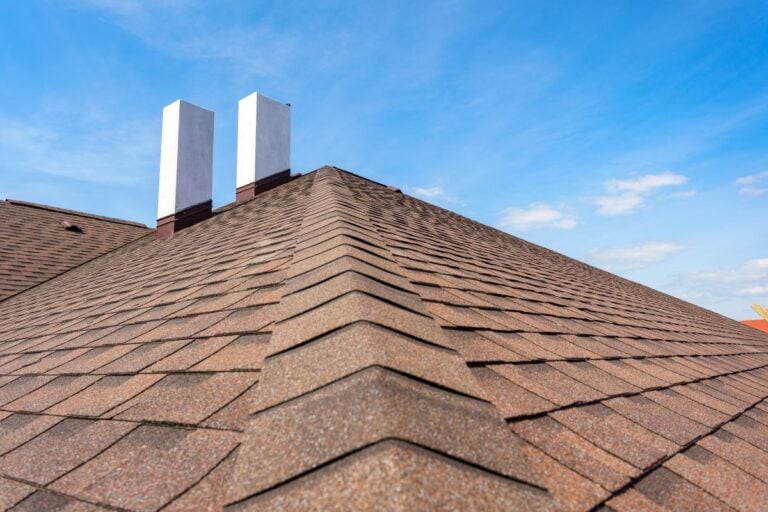
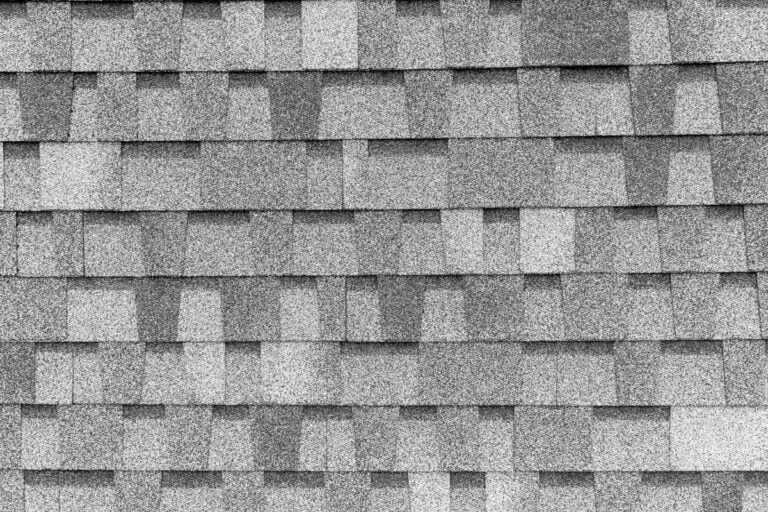
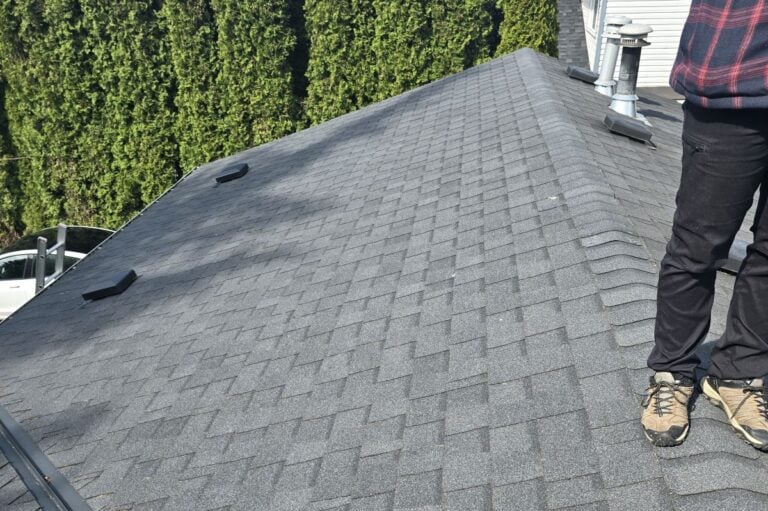
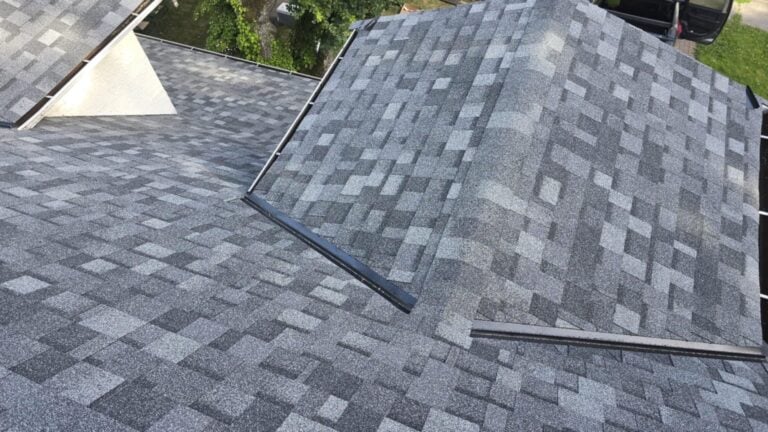
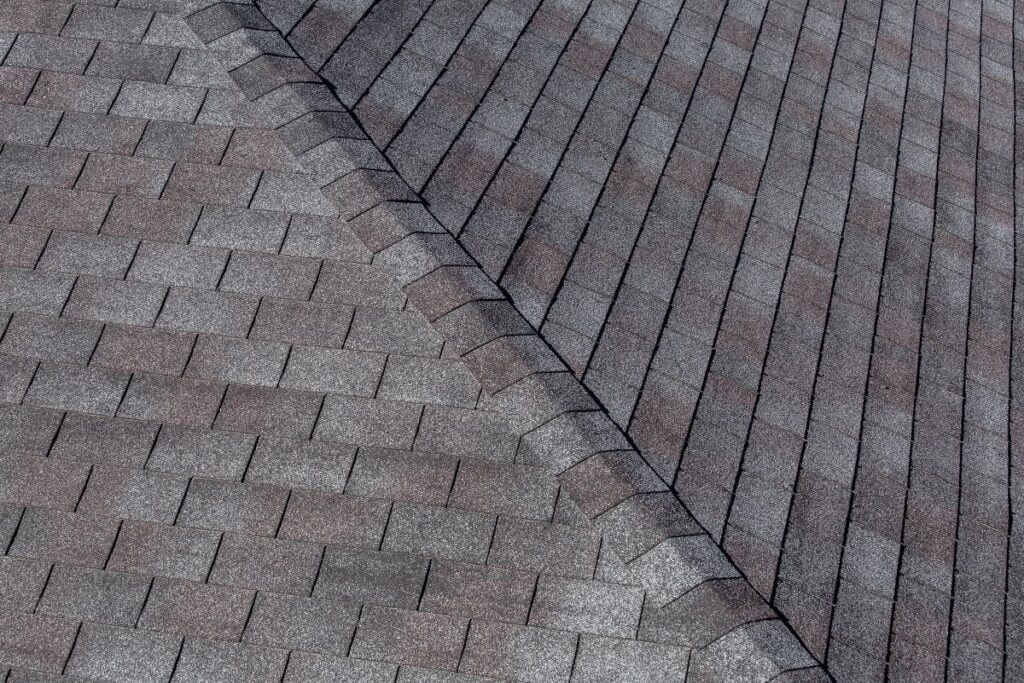
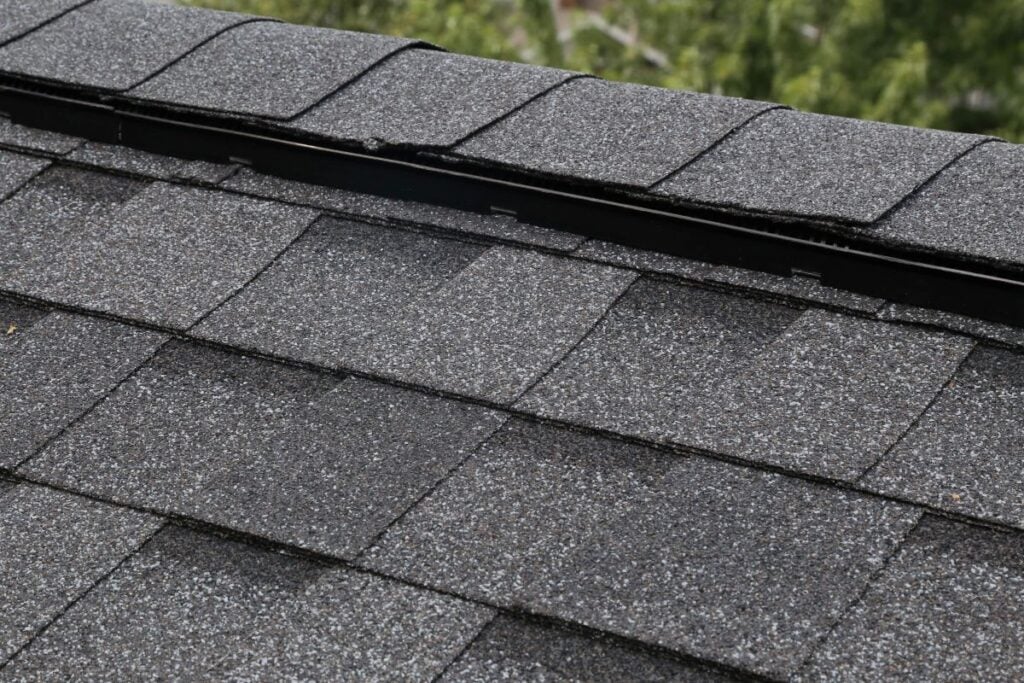
Traditional three-tab and architectural asphalt shingles are the most widely installed roofing material in Canada, valued primarily for their low upfront cost and straightforward installation. They are made from a petroleum-based asphalt core with a fiberglass or organic mat base and ceramic granules on the surface. From a sustainability standpoint, they are the weakest option on this list — they typically last 20 to 30 years, require replacement more frequently than any other material here, and contribute significantly to landfill waste at end of life.
- Lifespan: 20 to 30 years
- Environmental impact: High landfill contribution, petroleum-based, limited recyclability
- Energy efficiency: Standard; some cool roof and ENERGY STAR-certified varieties reflect more sunlight and reduce cooling loads
- Best for: Budget-conscious homeowners with shorter-term planning horizons
2. Malarkey Eco-Friendly Asphalt Shingles
Not all asphalt shingles are created equal from a sustainability standpoint. Malarkey, one of the brands Army Roofing installs, uses NEX Polymer Modified Asphalt Technology that incorporates recycled rubber from used tires and recycled plastic content into the shingle core. This reduces the amount of virgin petroleum used in manufacturing and diverts waste from landfills at the production stage. Malarkey shingles also carry algae resistance, which reduces the frequency of cleaning and the use of chemical treatments over the shingle’s life.
- Lifespan: 30 to 50 years depending on product line
- Environmental impact: Reduced versus standard asphalt; uses recycled rubber and plastic content in manufacturing
- Energy efficiency: Cool-rated options available that reflect more solar heat than standard asphalt
- Best for: Homeowners who want improved sustainability without moving away from a familiar asphalt shingle aesthetic
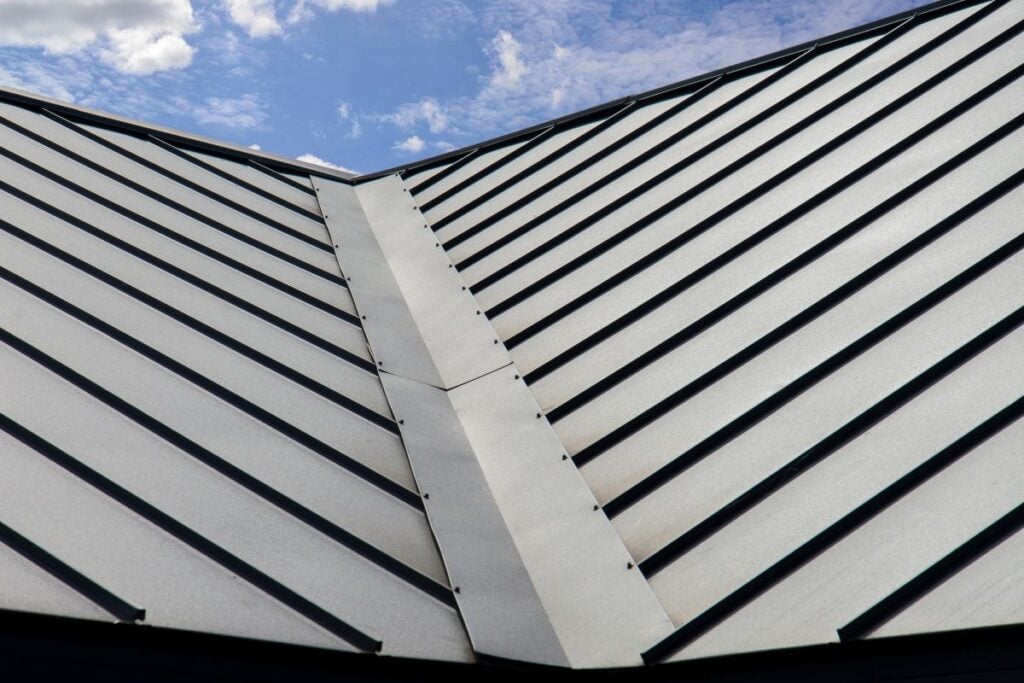
3. Metal Roofing
Metal roofing is one of the most environmentally strong options available for BC residential and commercial properties. Steel and aluminum roofing contain significant recycled content and are 100 percent recyclable at the end of their life, meaning virtually no landfill contribution compared to asphalt. Metal roofs also outlast asphalt by a substantial margin, and Army Roofing’s metal roofing systems can reduce energy costs by up to 20 percent through their reflective properties, according to information on Army Roofing’s own service pages. In a climate like Port Moody’s, where moss and algae on asphalt shingles are a constant issue, metal’s natural resistance to biological growth is an additional practical advantage.
- Lifespan: 40 to 70 years or more depending on material type
- Environmental impact: Very low at end of life; 100 percent recyclable; often contains significant recycled content
- Energy efficiency: Strong reflective properties reduce summer cooling loads by up to 20 percent
- Best for: Homeowners prioritizing long-term value, sustainability, and low maintenance
4. EPDM Rubber Roofing
EPDM (ethylene propylene diene monomer) is a synthetic rubber membrane used primarily on flat and low-slope roofs. It is made in part from recycled rubber, is durable, and is non-polluting in normal use. EPDM is a strong option for BC’s flat-roof applications on residential additions, garages, and commercial properties, where its flexibility handles temperature swings and moisture exposure effectively. At end of life, EPDM is recyclable through specialty programs, though infrastructure for this is less widely available than for metal. Army Roofing works with EPDM as part of its flat roofing system options.
- Lifespan: 20 to 30 years on average with proper installation and maintenance
- Environmental impact: Made from recycled rubber content; recyclable through specialty programs; non-polluting in normal use
- Energy efficiency: White or light-coloured EPDM membranes reflect solar heat effectively on flat roofs
- Best for: Flat and low-slope roofs on additions, garages, and commercial buildings
5. TPO Roofing
TPO (thermoplastic polyolefin) is a single-ply white membrane increasingly popular for commercial flat roofing because of its strong energy efficiency performance. Its highly reflective white surface reduces the urban heat island effect and can meaningfully lower cooling costs in summer. TPO contains no chlorine, unlike PVC, which makes it a cleaner manufacturing and end-of-life option from an emissions standpoint. It is also lighter weight than traditional built-up roofing systems, reducing structural load and transportation energy costs during installation.
- Lifespan: 20 to 30 years
- Environmental impact: Chlorine-free manufacturing; lighter weight reduces transportation impact; recyclable in some programs
- Energy efficiency: Highly reflective white surface; one of the strongest energy performance options for flat roofs
- Best for: Commercial flat roofs and residential flat sections where energy efficiency is a priority
6. Cool Roof Coatings
Cool roof coatings are applied over an existing roof membrane or shingle surface to dramatically increase solar reflectivity and reduce heat absorption. Rather than replacing the existing roof, a coating extends its life by 10 to 20 years while improving energy performance — which means less material in the landfill and lower energy use at the same time. This makes cool roof coatings arguably the most resource-efficient option on this list in the right application, since they extend rather than replace. Army Roofing offers roof coating services as a cost-effective alternative to full replacement when the underlying membrane is still structurally sound.
- Lifespan: Extends existing roof life by 10 to 20 years
- Environmental impact: Very low; delays replacement and reduces landfill contribution from tear-off
- Energy efficiency: Can reflect up to 80 to 90 percent of solar radiation, significantly reducing cooling loads
- Best for: Commercial and flat roofs with sound existing membranes where full replacement is not yet necessary
We are proud to serve home and business owners in Port Moody, BC, and nearby communities with professional roofing installation, replacement, and eco-friendly roofing options and more.
Eco Friendly vs. Traditional: A Side-by-Side Look
| Option | Lifespan | Recyclable | Energy Efficient | Environmental Rating |
| Traditional asphalt shingles | 20–30 years | Limited | Standard | Low |
| Malarkey eco asphalt | 30–50 years | Partial (recycled content) | Improved | Moderate |
| Metal roofing | 40–70+ years | 100% recyclable | Strong (up to 20% savings) | High |
| EPDM rubber | 20–30 years | Specialty programs | Moderate | Moderate |
| TPO membrane | 20–30 years | Some programs | High (reflective surface) | Moderate-High |
| Cool roof coating | Extends 10–20 years | N/A (extends existing) | Very high | Very High |
Common FAQs for Port Moody Homeowners
Eco-friendly roofing raises practical questions beyond the environmental angle, and homeowners in Port Moody and across the Tri-Cities area often have similar concerns when comparing options. Here are the ones we hear most often.
Does eco friendly roofing cost more upfront?
Generally, yes. Metal roofing and sustainable membrane systems typically carry a higher upfront cost than traditional asphalt shingles, though the gap narrows considerably when you factor in longer lifespans and lower maintenance. A metal roof that lasts 50 years compared to an asphalt roof replaced twice in the same period often works out to comparable or lower total cost of ownership. Cool roof coatings are the exception — they typically cost significantly less than replacement and deliver energy and lifespan benefits at the same time.
Is metal roofing the most eco friendly choice for BC homes?
It is one of the strongest options. Metal’s combination of 100 percent recyclability, long lifespan, high recycled content in many products, and reflective energy efficiency makes it a clear leader among standard roofing materials for residential homes. For flat roofs and commercial applications, TPO membranes and cool roof coatings can match or exceed metal’s energy performance in their specific applications. The most sustainable choice ultimately depends on the roof type, slope, and current condition.
How do I know if my existing roof can take a coating instead of replacement?
A professional inspection is the only reliable way to determine this. Cool roof coatings work only when the underlying membrane or surface is structurally sound, without widespread blistering, cracking, or saturation. If the membrane has failed broadly or the deck shows signs of rot or moisture damage, a coating will not solve the problem. Army Roofing assesses the underlying condition before recommending coating versus replacement.
Do BC building codes have requirements around energy-efficient roofing?
BC’s Building Code and Step Code requirements inƒsucreasingly address the thermal performance of the building envelope, including the roof assembly. While the code focuses more on insulation R-values and overall energy performance than on specific roofing surface materials, choosing reflective or energy-efficient roofing products can contribute to meeting Step Code compliance targets and may be relevant when applying for energy efficiency rebates through programs like BC Hydro or the federal Canada Greener Homes initiative.
Army Roofing Helps You Choose the Right Fit
A more sustainable roof is not always a more expensive or complicated one — sometimes it is as straightforward as choosing a product with higher recycled content, a longer lifespan, or a reflective coating that delays the next replacement by a decade. At Army Roofing, we carry materials across the sustainability spectrum and will give you an honest assessment of what makes sense for your home, your budget, and your environmental goals. Contact Army Roofing today to book your free estimate and find out which roofing option is the right fit for your home in Port Moody and the Lower Mainland.
Recent Articles
The Roof Blog