



Granule Loss On Roof Explained: 5 Stages & Common Signs
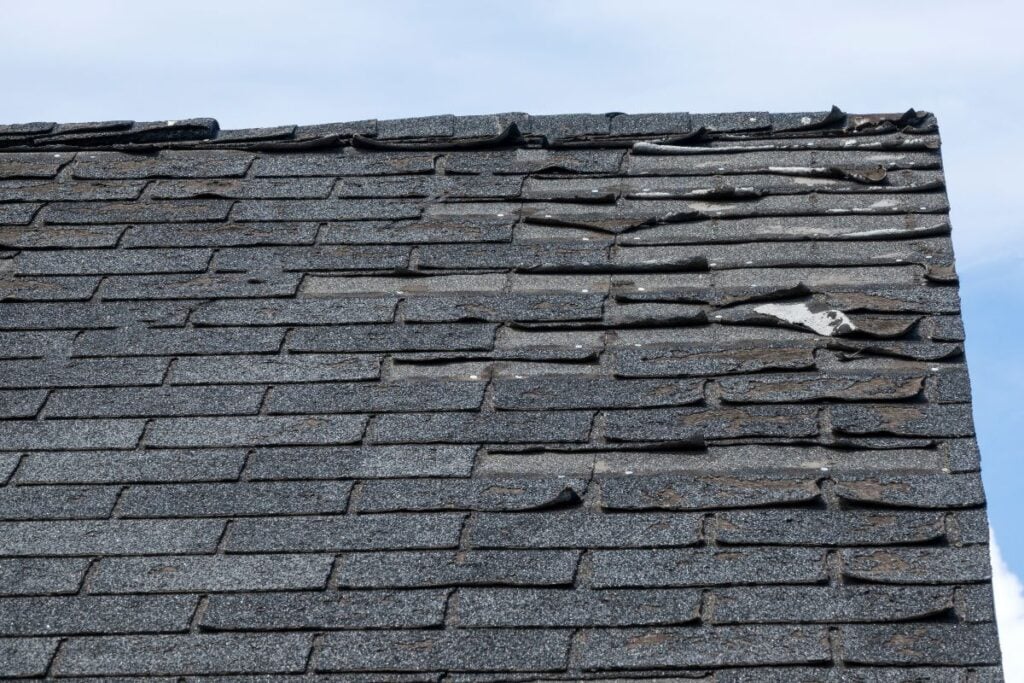
Granule loss on roof surfaces is a common issue that affects asphalt shingles as a roof ages. The small mineral shingle granules embedded on roof shingles are designed to protect the underlying asphalt layer from ultraviolet rays, moisture exposure, and everyday weathering. When those granules begin losing granules at an accelerated rate, shingles gradually lose their protective barrier and become more vulnerable to cracking, curling, and eventual failure.
Although some shedding is normal, especially on newer installations, excessive granule loss may signal accelerated deterioration or storm damage. Understanding the stages of wear and recognizing early warning signs can help homeowners prevent roof leaks and avoid costly repairs later.
- Surface protection breakdown: Granules shield shingles from sun exposure and harsh weather.
- Accelerated aging: Losing granules exposes the asphalt layer to faster deterioration.
- Moisture vulnerability: Reduced coverage increases the risk of roof leaks.
- Preventative action: Early detection may prevent the need for a full roof replacement.
In regions with heavy rainfall, seasonal storms, and fluctuating temperatures, monitoring shingle granules and overall roof condition is especially important for maintaining long term performance.
What Causes Granule Loss On Asphalt Shingles?
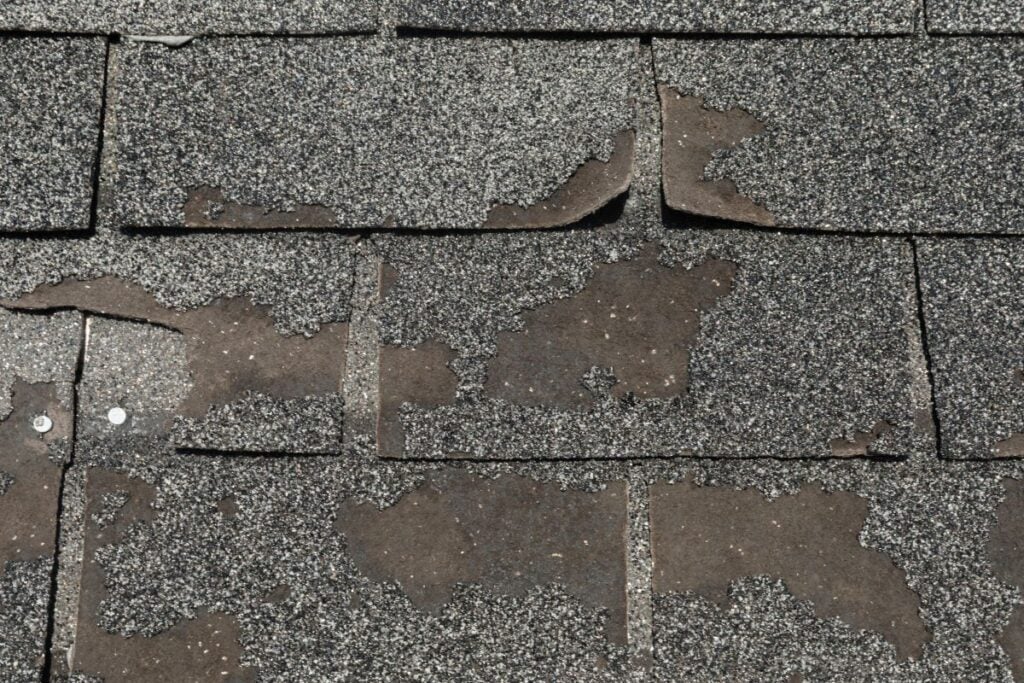
Granule loss can occur gradually as part of the natural aging process, but certain environmental factors accelerate the issue. Asphalt shingles are coated with mineral shingle granules that reflect UV rays and provide a protective barrier against the elements. As the roof ages, exposure to sunlight, temperature swings, wind, and moisture weakens the bond that holds granules in place.
Common contributing factors include:
- Severe weather: High winds and hail can dislodge protective granules.
- Sun exposure: Long term UV radiation breaks down asphalt and weakens granule adhesion.
- Foot traffic: Walking on shingles may scrape off protective surfaces.
- Improper installation: Mishandling shingles can loosen surface granules prematurely.
5 Stages Of Granule Loss On Roof
Granule loss typically progresses in stages. Recognizing these phases can help homeowners determine whether simple maintenance is sufficient or if professional evaluation is needed.
1. Minor Granule Shedding
In the earliest stage, small amounts of granules may collect in gutters or near downspouts. This light shedding is often normal shortly after installation as excess granules wash away.
- Light granule buildup in gutters: Small accumulations after rainfall.
- Uniform roof appearance: No visible bald spots.
- No immediate performance issues: Shingles remain flexible and intact.
At this stage, routine inspections are typically all that is required.
2. Noticeable Surface Thinning
As the roof ages, certain areas may appear darker where granule coverage has thinned. These spots may feel smoother than surrounding shingles.
- Dark patches: Areas where asphalt is becoming exposed.
- Texture differences: Surface may feel less gritty.
- Increased heat absorption: Exposed sections absorb more sunlight.
This stage signals gradual wear but may not yet require immediate replacement.
3. Widespread Granule Loss
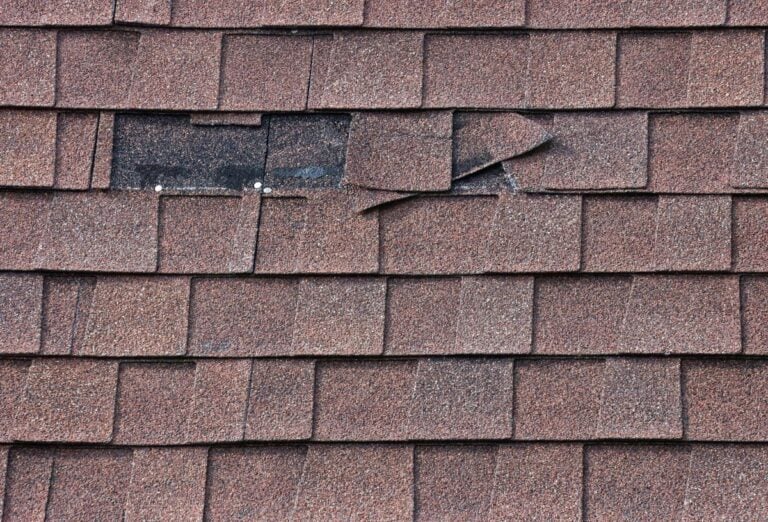
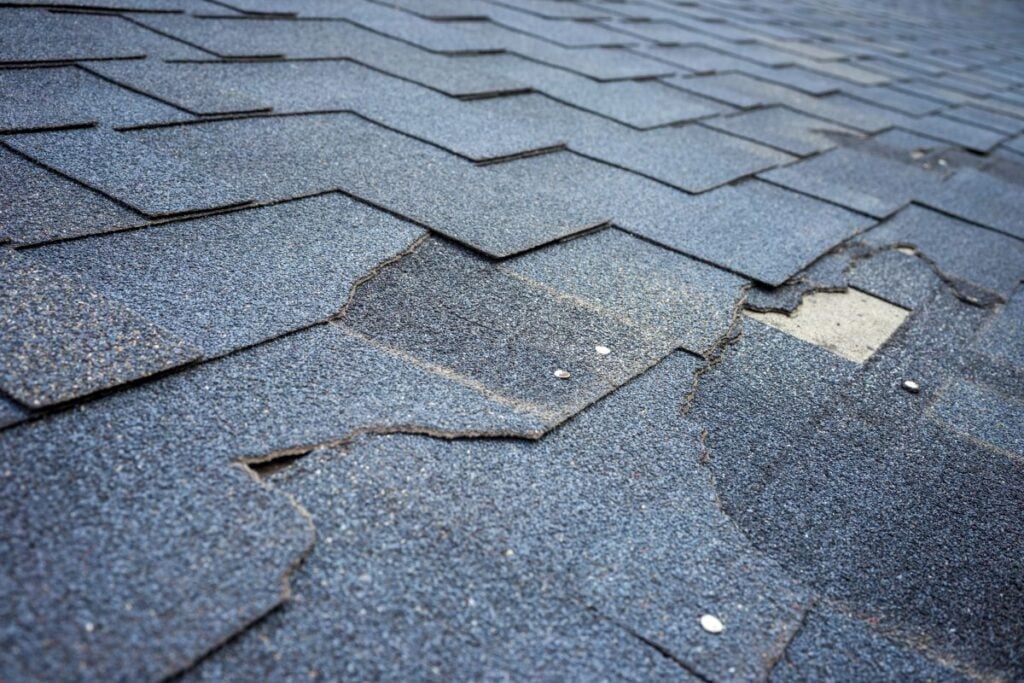
Larger sections of shingles may now show exposed asphalt, indicating more advanced deterioration.
- Visible bald spots: Clear areas without shingle granules.
- Reduced flexibility: Shingles may feel brittle.
- Higher leak potential: Greater risk of roof leaks during storms.
Homeowners often begin noticing performance issues during heavy rainfall at this stage.
4. Cracking And Curling Shingles
Without sufficient granule protection, shingles become increasingly brittle as UV exposure accelerates aging.
- Curled edges: Corners may lift upward.
- Surface cracking: Fine lines appear across shingles.
- Wind vulnerability: Damaged shingles are easier to tear away.
Professional evaluation is recommended to determine whether targeted repairs can fix the issue or if broader action is required.
5. Advanced Roof Deterioration
In the final stage, shingles may break apart or detach entirely. Moisture can penetrate deeper into the roofing system and affect the decking below.
- Missing shingle sections: Pieces may fall off during storms.
- Interior water stains: Signs of roof leaks inside the home.
- Structural weakening: Prolonged exposure may compromise the roof deck.
At this stage, a roofing professional may recommend significant repairs or even a full roof replacement depending on overall roof condition.
Common Signs Your Roof May Be Losing Granules
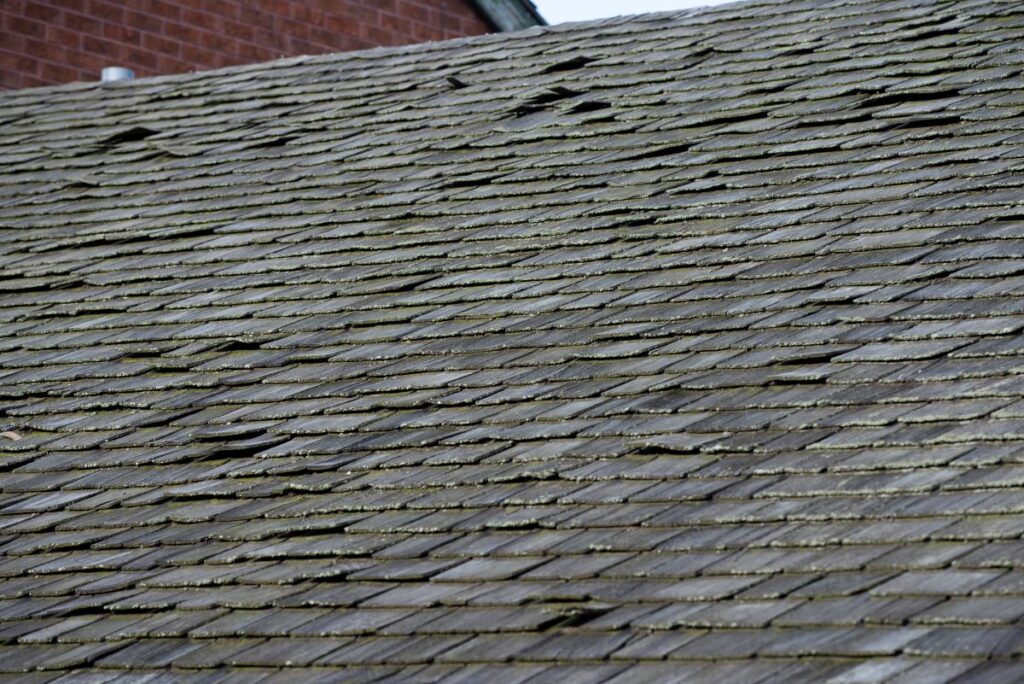
Granule loss is often visible from the ground or during routine maintenance. Paying attention to early indicators can prevent minor wear from escalating into costly repairs.
- Excess granules in gutters: Consistent buildup after storms.
- Patchy roof coloration: Uneven or streaked appearance.
- Rough texture changes: Some shingles feel smoother than others.
- Recurring small leaks: Early roof leaks may develop in weakened areas.
If you notice shingles losing granules across multiple sections, scheduling an inspection can help determine the next steps.
How Granule Loss Impacts Long Term Roof Performance
Granules provide critical protection against ultraviolet radiation and physical wear. When shingles lose granules, they absorb more heat, which accelerates deterioration and reduces flexibility. In colder seasons, brittle shingles are more prone to cracking during freeze and thaw cycles.
As the roof ages, weakened shingles may struggle to withstand wind uplift or heavy rain. Over time, this deterioration can lead to widespread roof leaks, increased energy costs, and the need for more extensive repairs. Addressing granule loss early helps extend roof lifespan and reduce the likelihood of a full roof replacement. According to InterNACHI, granules protect shingles from UV damage and weathering, and once lost, the bond between the granules and asphalt deteriorates, allowing water runoff to carry them away and leaving the underlying asphalt exposed to accelerated damage.
Repair Vs Replacement: What To Consider
The best solution depends on the severity of granule loss and the overall condition of the roof.
| Condition | Recommended Action |
| Minor localized shedding | Monitor and maintain |
| Moderate thinning | Replace affected shingles |
| Widespread exposed asphalt | Professional inspection |
| Structural deterioration | Consider full roof replacement |
Consulting with a roofing professional ensures that the structural condition of the roof is properly evaluated before making a decision.
Army Roofing Helps Extend The Life Of Your Roof
Granule loss on roof surfaces is often gradual, but ignoring it can lead to roof leaks and costly repairs. Regular inspections and timely maintenance help extend the lifespan of asphalt shingles and maintain consistent performance.
At Army Roofing, our experienced team provides detailed roof inspections, targeted shingle repairs, and full roof replacement services when necessary. We’re proud to serve home and business owners in Port Coquitlam, BC, and nearby communities with dependable roofing solutions.
If you have noticed excessive shingle granules in your gutters or visible signs of shingles losing granules, contact Army Roofing today to schedule a professional inspection and keep your roof in strong condition year round.
Recent Articles
The Roof Blog