



Hip Roof vs Gable Roof: What’s the Difference?
Choosing the right roofing style has a major impact on your home’s appearance, durability, and long-term performance. The comparison of a hip roof vs gable roof is one of the most common considerations for Coquitlam homeowners looking to upgrade or build. Each roof type has its strengths, and the best choice depends on your climate, architectural style, and long-term plans for your property.
• Learn how hip roofs and gable roofs differ in structure and purpose
• Understand the advantages and drawbacks of each design
• Explore where each roof type performs best in real-world conditions
• Compare cost, ventilation, and weather performance factors
• Discover maintenance considerations that influence long-term value
Why the Choice Between Hip Roof vs Gable Roof Matters
Roof shape influences far more than curb appeal. The slope, angles, and framing design affect structural strength, attic ventilation, drainage efficiency, and the overall cost of installation. Homeowners in Coquitlam experience wet winters, heavy rainfall, and occasional high winds, making roof selection an important decision for long-term durability.
• Structural stability: Hip roofs handle wind and snow loads exceptionally well
• Design adaptability: Gable roofs pair easily with many traditional and modern home styles
• Water movement: Both roof shapes affect how rain and snow shed off the surface
• Ventilation capacity: Proper airflow depends on roof geometry and attic design
• Budget considerations: Material use, labor needs, and complexity all influence price
Understanding the Core Difference Between Hip and Gable Roofs
Before choosing between these two roof types, it helps to understand what makes each design unique. While both involve sloped surfaces, the way they meet and distribute load significantly changes their performance.
Structural Overview of Each Roof Type
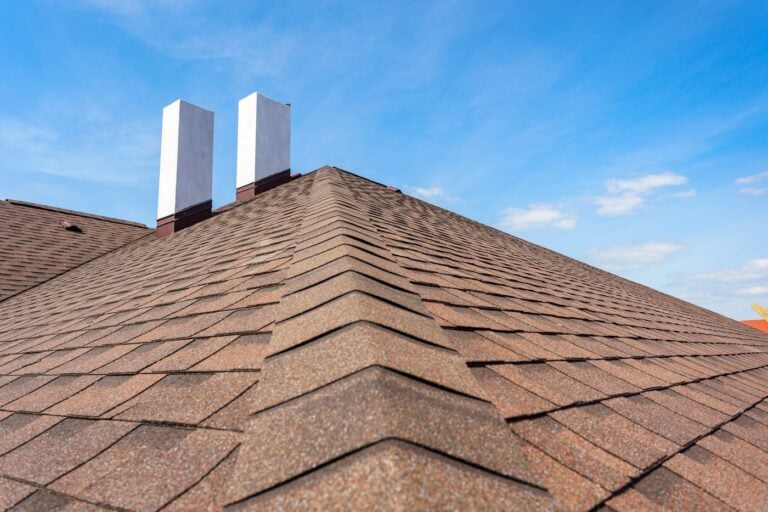
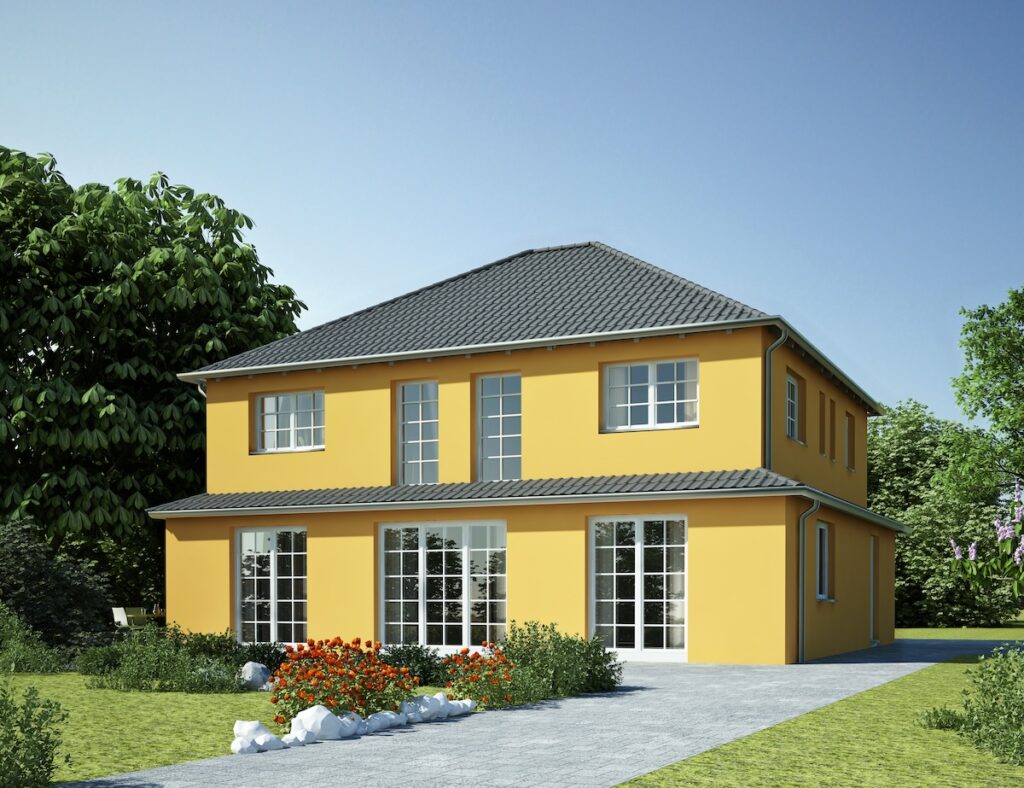
• Hip roofs: Feature four sloping sides that meet at a ridge or peak, creating a balanced and aerodynamic structure
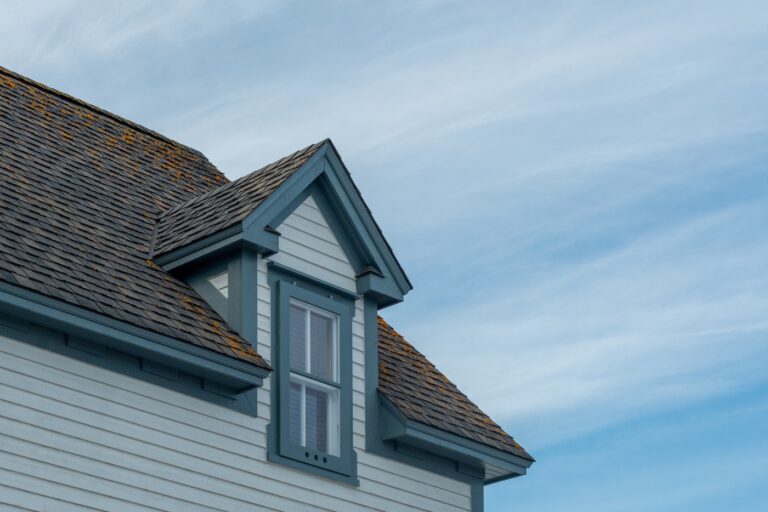
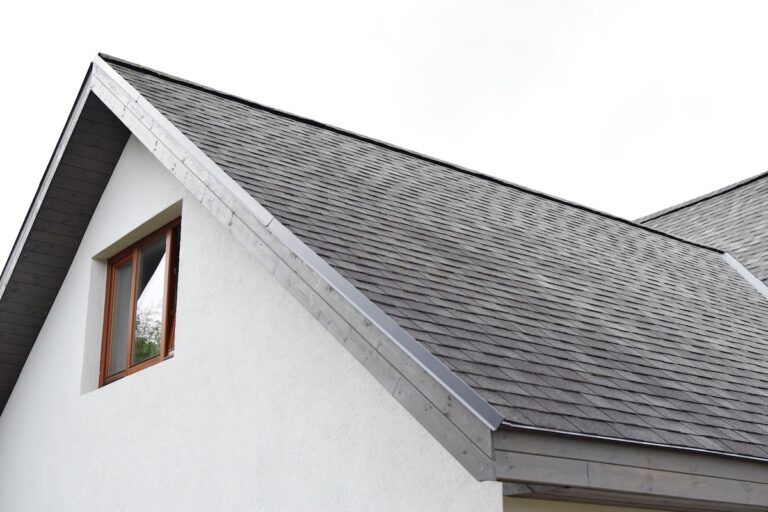
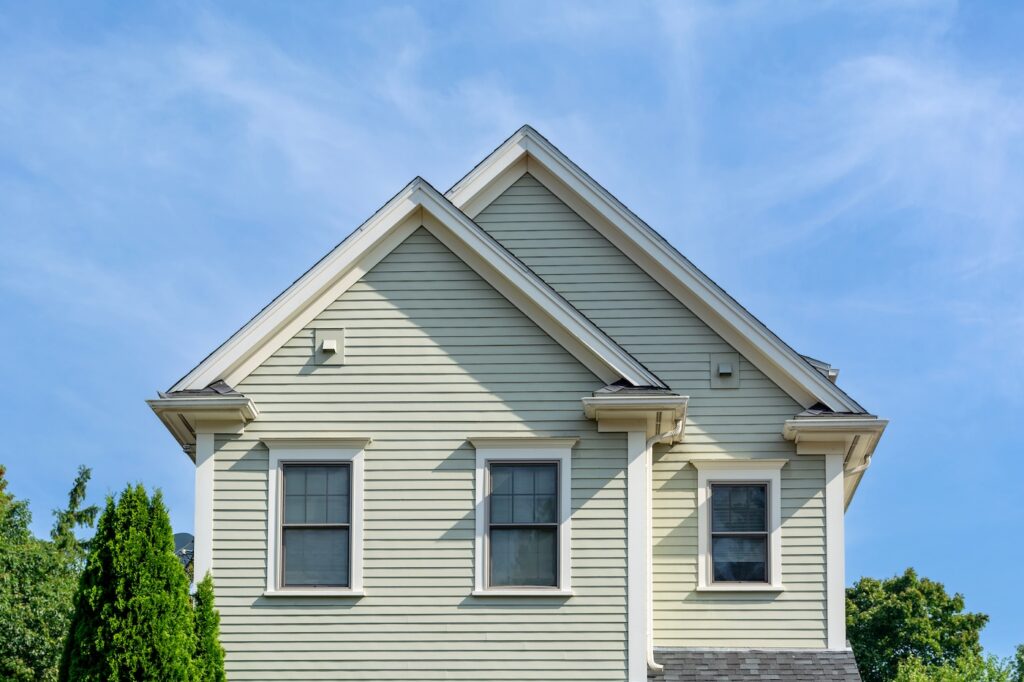
• Gable roofs: Built with two sloping sides that meet to form a triangular shape at each end of the home
5 Major Differences Between Hip Roofs and Gable Roofs
Understanding the key distinctions between hip and gable roofs helps homeowners evaluate which style best fits their climate, architectural goals, and long-term plans.
- Shape and appearance: Hip roofs create a symmetrical, streamlined look, whereas gable roofs form prominent peaks
- Weather resistance: Hip roofs perform better in strong winds due to their aerodynamic slope on all sides
- Construction complexity: Gable roofs are simpler to design and build, making them more budget-friendly
- Attic volume: Gable roofs typically allow more usable attic space for storage or ventilation
- Architectural compatibility: Each roof type enhances different home styles based on lines, angles, and proportions
Weather Resistance: Performance in Coquitlam’s Climate
Coquitlam’s climate makes weather resistance a key factor. High winds and heavy rainfall are common during the winter months.
Hip Roof Performance
Because hip roofs slope on all sides, wind moves over them more smoothly. This reduces the chances of uplift and structural stress during storms.
Gable Roof Performance
Gable roofs can experience more wind pressure on their vertical ends. Reinforcement and proper bracing help offset this drawback, making them safe when built by experienced roofing professionals.
Cost, Complexity, and Attic Space Considerations
Cost, construction difficulty, and attic space often determine whether a hip roof or gable roof is the better choice for your home. Understanding these differences helps homeowners plan upgrades, insulation, or long-term roofing investments more effectively.
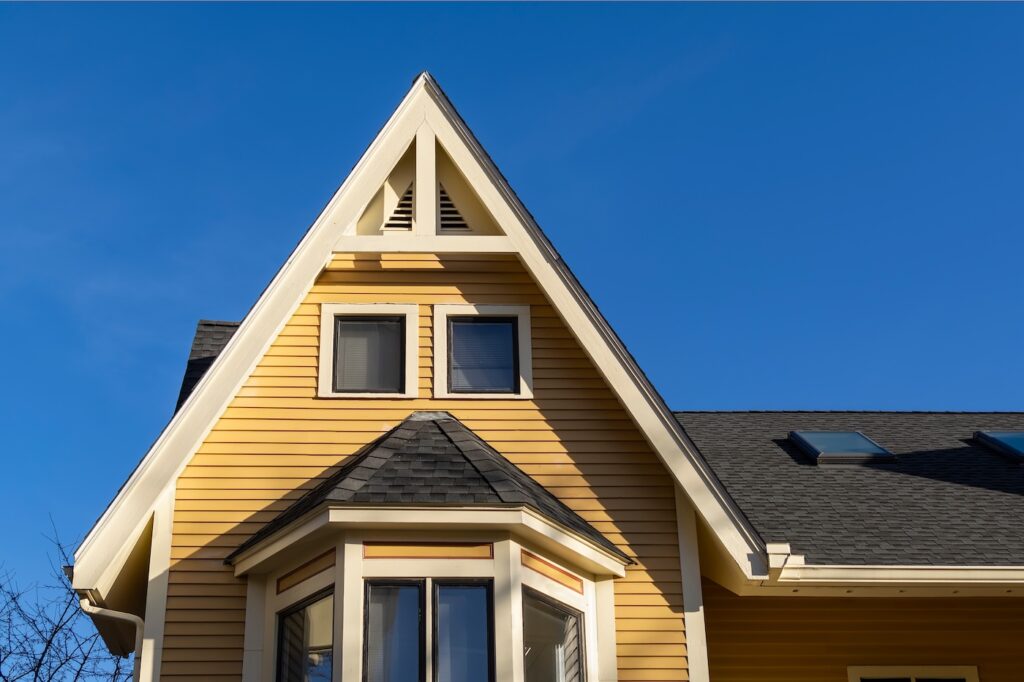
• Construction cost: Hip roofs require more materials and labor due to extra slopes, while gable roofs offer a simpler and more budget-friendly build
• Material usage: Hip roofs use more roofing surface, increasing overall project cost, whereas gable roofs cover the home efficiently
• Attic space: Gable roofs create more open volume for storage or ventilation improvements, while hip roofs reduce usable attic height
• Upgrade compatibility: Gable roofs make it easier to add dormers, skylights, or solar panels, while hip roofs may require additional structural support
Architectural Style and Curb Appeal
Roof shape plays a major role in how your home looks from the street, influencing everything from architectural character to first impressions.
Where Hip Roofs Fit Best
Hip roofs complement ranch homes, coastal and contemporary designs, and Mediterranean or craftsman-inspired structures. Their even, symmetrical lines create a clean, cohesive aesthetic that blends well with modern neighborhoods and homes seeking subtle, balanced curb appeal.
Where Gable Roofs Shine
Gable roofs suit Colonial homes, Cape Cod or Tudor-style properties, and modern builds with geometric lines. Their sharp triangular peaks create a bold, recognizable silhouette that adds height, dimension, and strong visual character to the overall exterior.
Enhancing Performance with the Right Roof Features
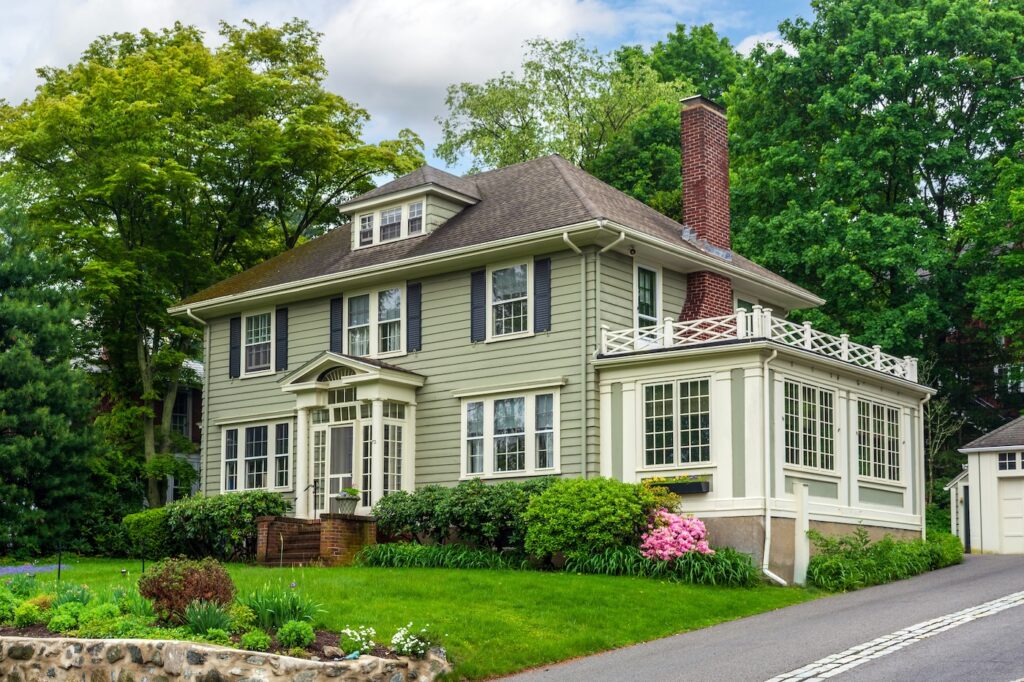
Upgrading your roof with the right features helps improve efficiency, comfort, and long-term durability. Whether you choose a hip roof or a gable roof, these enhancements can elevate performance in different ways based on your home’s design and climate needs.
• Energy efficiency: Gable roofs often allow thicker insulation due to increased attic height, while hip roofs perform efficiently when paired with balanced ventilation and reflective roofing materials
• Solar panel placement: Hip roofs offer multiple slopes for flexible panel layout, but gable roofs typically provide a clear south-facing plane for stronger solar exposure
• Architectural customization: Gable roofs simplify adding dormers for natural light or added space, and both roof styles can accommodate skylights with proper waterproofing
• Drainage and eave design: Hip roofs benefit from consistent eave lines that enhance water movement and reduce pooling, supporting overall roof longevity
Quick Comparison Chart: Hip Roof vs Gable Roof
| Feature | Hip Roof | Gable Roof |
| Number of Slopes | Four | Two |
| Wind Resistance | High | Moderate (requires reinforcement) |
| Construction Complexity | Higher | Lower |
| Attic Space | Limited | Ample |
| Architectural Fit | Modern, Mediterranean, Ranch | Traditional, Colonial, Cape Cod |
| Maintenance | Even eave care required | Check gable ends regularly |
Choosing the Best Roof for Your Coquitlam Home
Hip and gable roofs both offer meaningful advantages depending on your priorities. Homeowners in Coquitlam should consider weather conditions, architectural goals, attic needs, and long-term budget when comparing these two popular roofing styles. Working with a professional roofing team ensures proper structural design, ventilation, and installation so your chosen roof performs optimally for years to come.
Army Roofing: Your Trusted Experts for Hip and Gable Roof Installation
Whether you choose a hip roof or a gable roof, professional installation is essential for long-term protection and value. Army Roofing provides expert roofing services throughout Coquitlam and nearby communities, helping homeowners select the best roof design for their needs. If you are planning a new installation or replacement and want guidance on the ideal roof type, contact Army Roofing today to schedule a consultation with our experienced team.
Recent Articles
The Roof Blog