



9 Step Installation Guide: How to Install Gutters on a Roof
Learning how to install gutters helps homeowners protect their roof, siding, and foundation from water damage. Properly installed gutters direct rainwater away from your home, preventing soil erosion, basement leaks, and premature wear along roof edges. In Delta’s rainy coastal climate, correctly positioned and secured gutters are essential to keeping your home dry and structurally sound.
This guide covers:
- Tools and materials needed
- How to measure and plan a gutter run
- Nine clear installation steps
- A helpful gutter component comparison table
- Added sections to improve performance and avoid mistakes
We’re proud to serve home and business owners in Delta, BC, and nearby communities with roofing inspections, repairs, and replacements that support long-lasting home protection.
Why Gutter Installation Matters
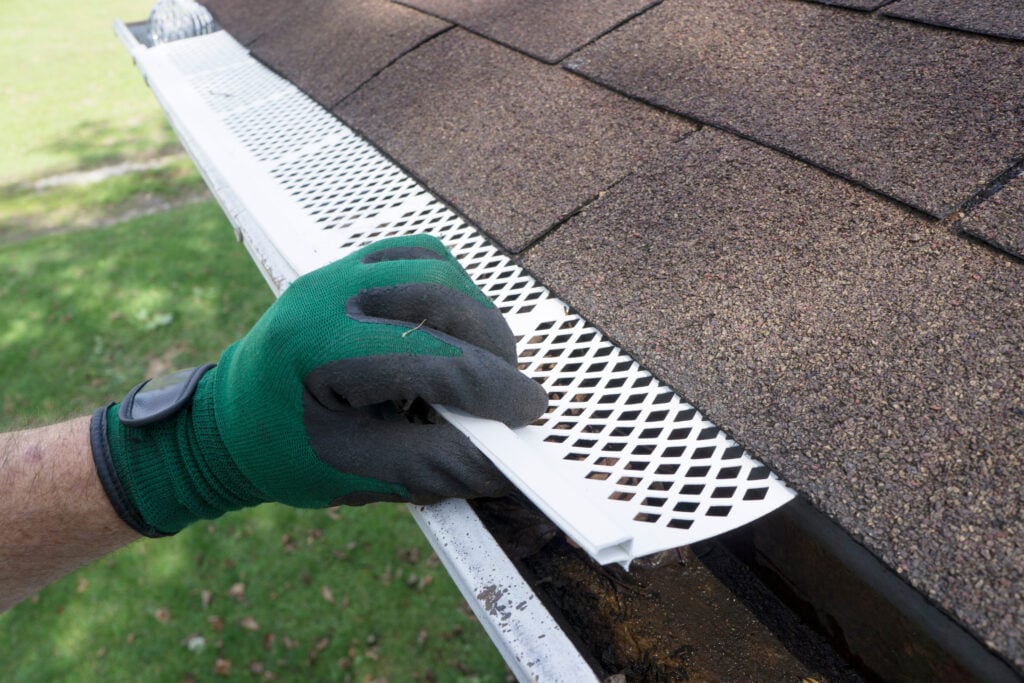
Gutters act as the first line of defense against uncontrolled water flow. Without a functioning gutter system, rainwater can spill over the roof edge, pool around the foundation, or back up under shingles. Over time, this leads to mold growth, fascia board rot, soil displacement, and damage to landscaping. Installing gutters properly ensures your roof drains efficiently and helps prevent costly moisture-related repairs.
Gutter Component Comparison Table
Before beginning installation, it helps to understand the main gutter components and how they function.
| Component | Purpose | Notes |
| Gutter sections | Carry water across roof edges | Choose aluminum for durability |
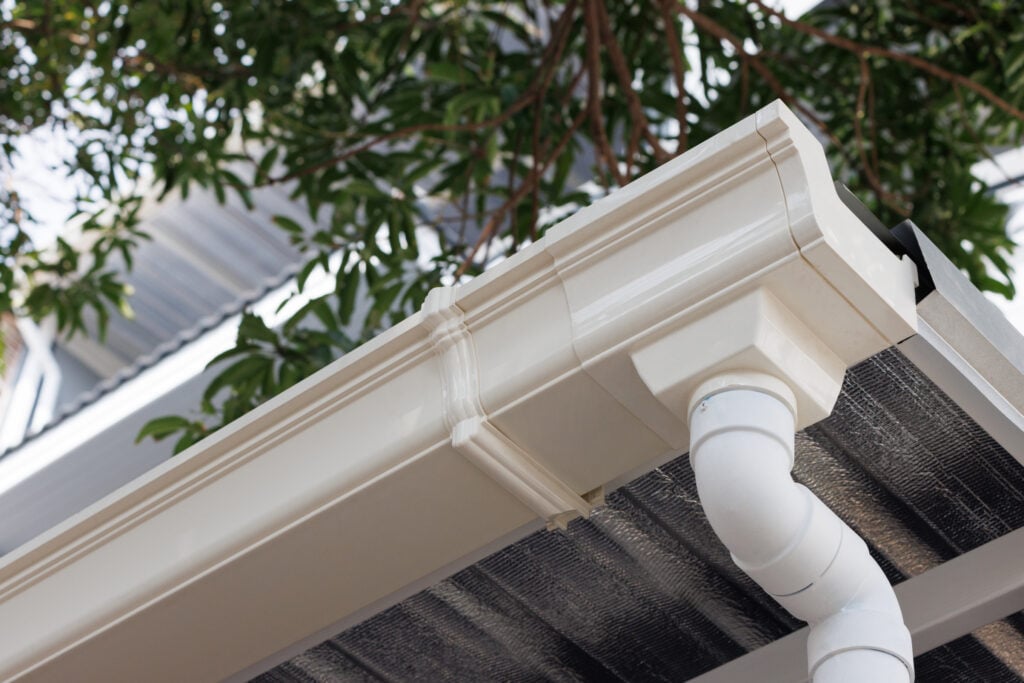
| Downspouts | Move water from gutter to ground | Ensure proper sizing for rainfall volume |
| Elbows | Direct water flow around corners | Helps position downspouts properly |
| Hangers | Support gutter sections | Spacing affects long-term stability |
| End caps | Close open gutter ends | Seal tightly to prevent leaks |
| Sealant | Waterproofs seams and joints | Must be exterior-grade |
9 Steps for Installing Gutters on a Roof
Before starting installation, inspect the fascia for rot or damage. Gutters must attach to a solid surface, so make any necessary repairs before hanging new sections.
1. Measure the Roofline
Accurate measurement ensures gutters fit the entire length and slope correctly.
- Measure fascia length: Determines gutter section length.
- Plan downspout placement: Choose locations with proper drainage.
2. Mark the Slope Line
Gutters need a slight downward slope to move water efficiently.
- Use a chalk line: Create a straight guide between starting and ending points.
- Maintain slight decline: Typically about a quarter inch every 10 feet.
3. Install Gutter Hangers
Hangers support gutter weight and prevent sagging, especially during heavy rainfall.
- Space hangers properly: Usually every two feet.
- Install along the slope line: Helps maintain consistent drainage.
4. Cut and Prepare Gutter Sections
Cut gutter pieces to size and prepare edges for end caps or connectors.
- Use metal snips: Creates clean, accurate cuts.
- Attach end caps and connectors: Seal seams to prevent leaking.
5. Mount the Gutter Sections
Attach gutters securely along the marked slope line.
- Fasten into fascia: Use exterior-grade screws.
- Check alignment frequently: Prevents dips or uneven runs.
6. Add Downspout Outlets
Outlets allow water to exit the gutter and travel down the downspout.
- Cut openings with a hole saw: Match size to the outlet.
- Attach outlet securely: Use sealant around edges for protection.
7. Install Downspouts and Elbows
Downspouts move water away from the home’s foundation.
- Connect elbows to direct flow: Helps reach the wall properly.
- Secure downspouts to wall: Use brackets every few feet.
8. Seal All Joints and Connections
Water can escape through small gaps if not sealed correctly.
- Apply exterior-grade sealant: Add to seams, end caps, and joints.
- Allow sealant to cure: Follow product instructions.
9. Test the System
Testing ensures the gutters and downspouts function properly.
- Run water through gutters: Check for leaks or improper drainage.
- Adjust hangers or slope if needed: Small corrections improve performance.
Common Gutter Installation Mistakes to Avoid
Avoiding common errors helps your gutters last longer and reduces maintenance needs. These mistakes often lead to leaks, overflow, or structural strain if not addressed.
Incorrect Slope or Alignment
A gutter with too little slope causes standing water, while too much slope looks uneven and affects performance. Double-check your chalk lines and hanger placements to keep the system flowing smoothly.
Using Too Few Hangers
Inadequate hanger support leads to sagging gutters that overflow or pull away from the fascia. Proper spacing ensures stability during heavy rainfall.
Extra Tips for a Longer-Lasting Gutter System
A quality installation is only the first step. Maintaining gutters properly helps extend their lifespan and keeps your roof protected year after year.
- Clean gutters regularly: Remove leaves and debris each season.
- Trim overhanging branches: Reduces buildup and blockages.
- Inspect after storms: Look for loose hangers, dents, or leaks.
- Check downspout discharge: Ensure water flows away from the foundation.
FAQs About Installing Gutters
Before starting a new gutter installation, many homeowners have common questions about sizing, slope, and long-term upkeep. These quick answers help clarify the process and improve overall system performance.
How much slope should gutters have?
A general rule is about a quarter inch of slope for every 10 feet of gutter to ensure water flows properly toward the downspout.
What size gutters are best for residential homes?
Most homes use 5-inch gutters, but homes with steep roofs or heavy rainfall may benefit from 6-inch systems for better water control.
Can gutters be installed without removing old fascia?
Yes, as long as the fascia is solid, dry, and capable of supporting hangers. Rotten fascia must be replaced before installation.
Do seamless gutters reduce leaks?
Yes. Seamless gutters have fewer connection points, lowering the risk of leaks along the gutter run.
How often should gutters be cleaned?
At least twice per year, and more frequently if you have trees close to the home.

Why Homeowners Trust Army Roofing for Roof-Edge Protection
Gutters play a crucial role in protecting your home, and a proper installation helps prevent leaks, wood rot, and foundation stress. Army Roofing supports Delta homeowners with expert roof inspections, reliable repairs, and thoughtful guidance on improving roof drainage systems. Our team focuses on long-term durability, clear communication, and trusted craftsmanship.
Whether you’re planning a gutter installation, need help assessing roof-edge damage, or want professional advice, Army Roofing is here to support your home’s protection year round. Contact Army Roofing today to schedule a roof assessment.