



6 Most Important Parts of a Roof (That Every Homeowner Should Know)
Understanding the parts of a roof is essential for every homeowner who wants to maintain the safety, value, and comfort of their home. A well-maintained roofing system not only protects your property from weather but also improves energy efficiency and curb appeal. Homeowners in Ladner benefit from knowing how each component contributes to overall performance, especially in a coastal environment with year-round moisture and shifting weather patterns. The more you understand your roof structure, the easier it becomes to recognize issues early and plan ahead for maintenance or roof replacement when needed.
• Identify the key components that make up a roof
• Learn why each part is essential to long-term protection
• Discover common issues associated with major roof parts
• Understand how maintenance extends roof lifespan
• Get tips on choosing quality materials and reliable roofing professionals
Why Knowing the Parts of a Roof Matters for Homeowners
Roof knowledge helps you make informed decisions about repairs, upgrades, and long-term maintenance. Understanding how each part of a roof functions reduces the risk of expensive surprises and helps keep your home safe.
• Safety awareness: Knowing where vulnerabilities form prevents leaks or structural failures
• Cost efficiency: Small problems are easier and cheaper to fix when caught early
• Better communication: Understanding terminology improves conversations with contractors
• Property value: A healthy roof structure enhances curb appeal and resale value
• Environmental protection: Proper drainage preserves landscaping and the local environment
6 Key Parts of a Roof Every Homeowner Should Know
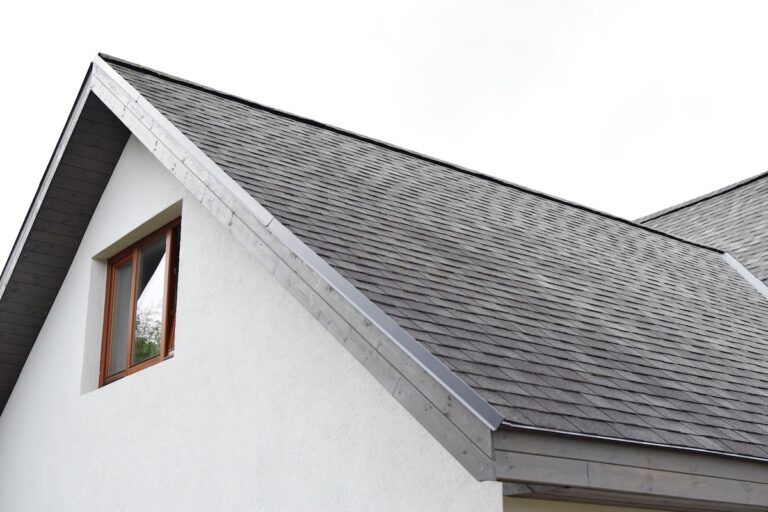
Each roof component plays a crucial role in durability, insulation, drainage, and protection. Knowing where components such as roof trusses, roof sheathing, and ceiling joists are located helps you understand how the entire roofing system works together.
1. Roof Deck
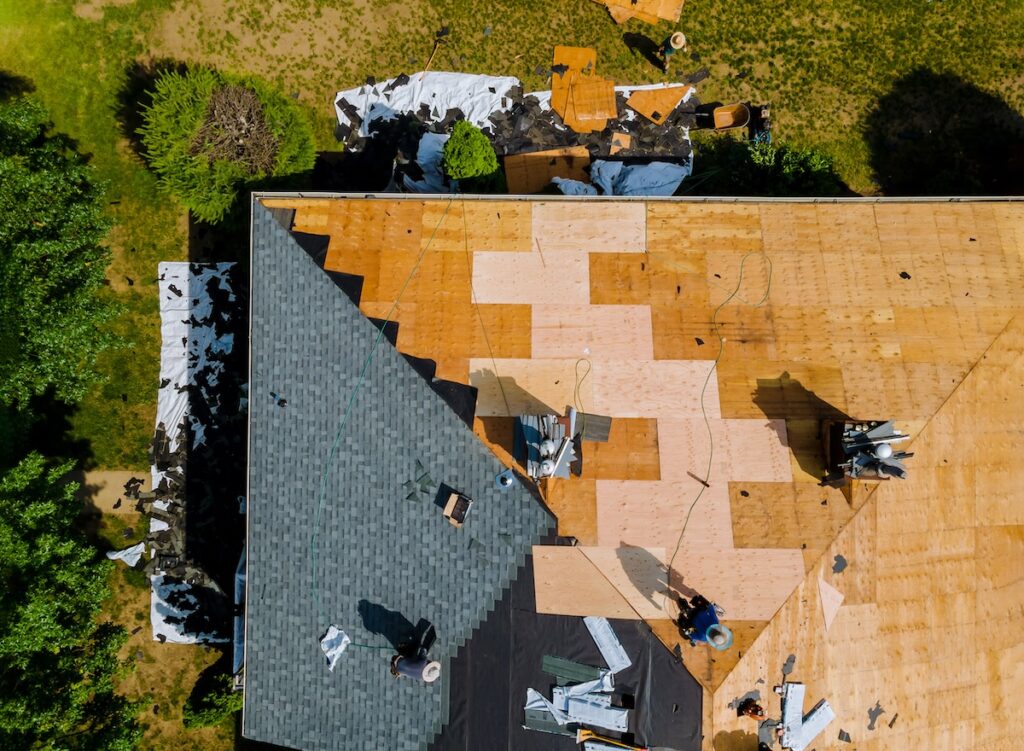
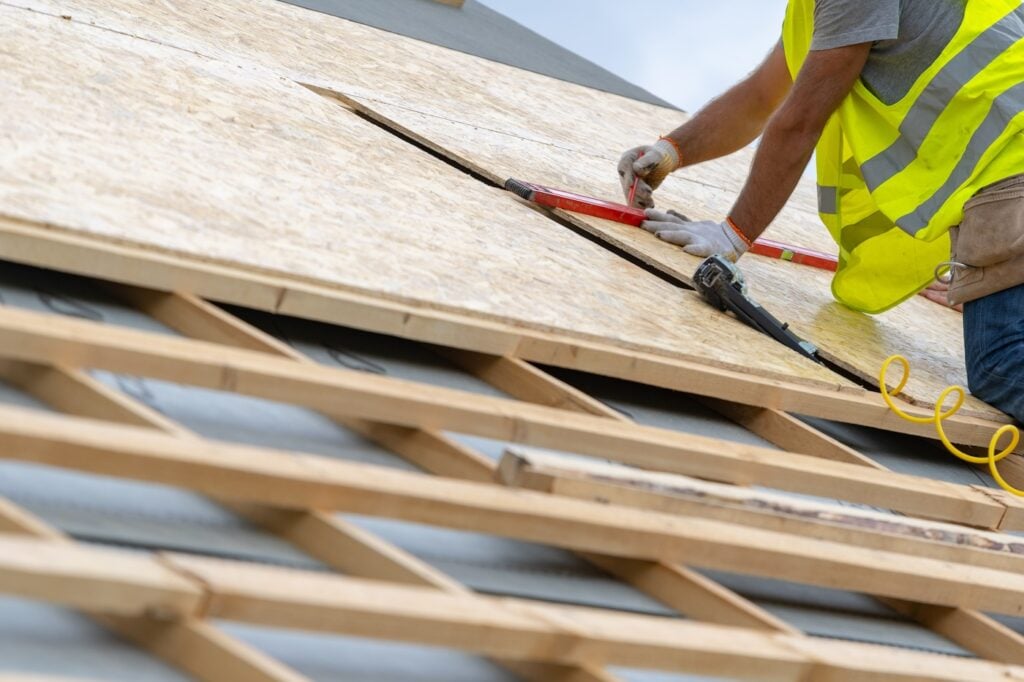
The roof deck forms the foundation of the roofing system. Usually constructed with plywood or oriented strand board, it provides a stable base for underlayment and shingles. If roof sheathing becomes weak or rotted, the entire roof structure is compromised, leading to sagging or leaks.
2. Underlayment
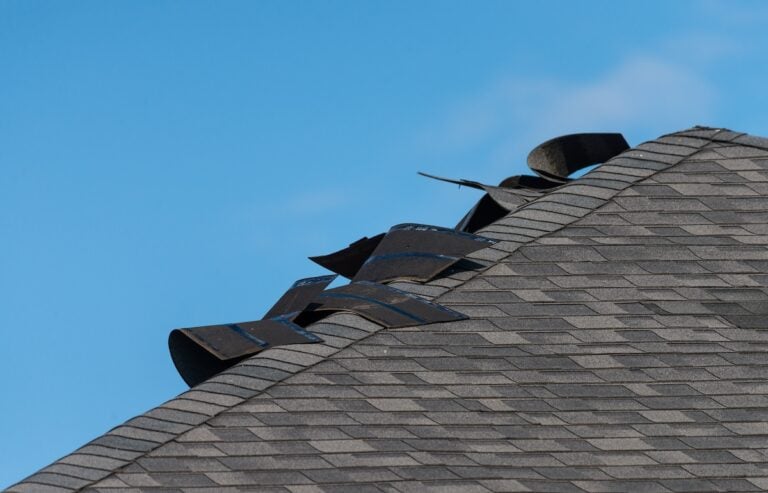
Underlayment is installed on top of the deck and beneath the visible roofing material. It acts as a protective moisture barrier and is essential when shingles are damaged during storms. Many homes today use synthetic underlayment for added strength and weather resistance.
3. Shingles or Roofing Material
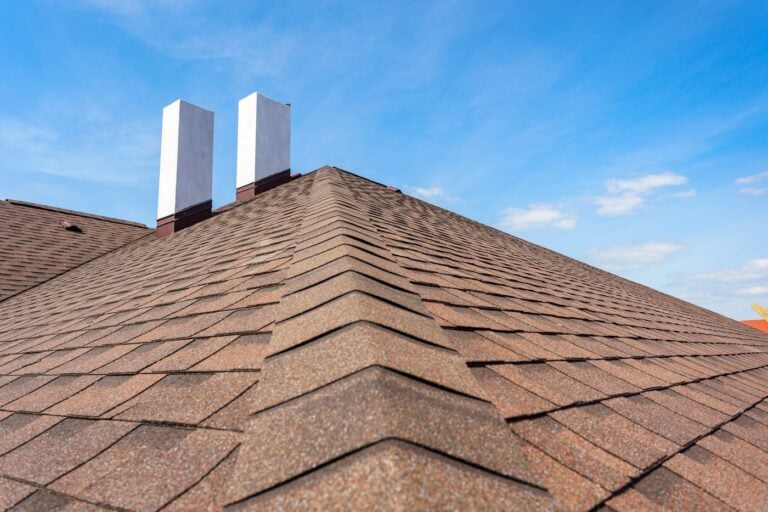
This layer shields your home from sun, rain, snow, and wind. Asphalt shingles remain popular, while metal, tile, and slate offer enhanced durability. Selecting the right surface material influences how roof planes meet, how well water sheds, and how long the system lasts between roof replacement cycles.
4. Flashing
Flashing consists of metal strips placed around chimneys, vents, valleys, and anywhere roof planes meet. It directs water away from vulnerable areas. Damaged flashing is one of the most common sources of leaks, especially around the exterior wall areas where drainage is critical.
5. Fascia
Fascia boards run along the roof edge and support gutter placement. They also enhance the appearance of the roofline. Properly maintained fascia protects rafter ends and prevents moisture penetration, especially when paired with a functioning drip edge.
6. Soffit
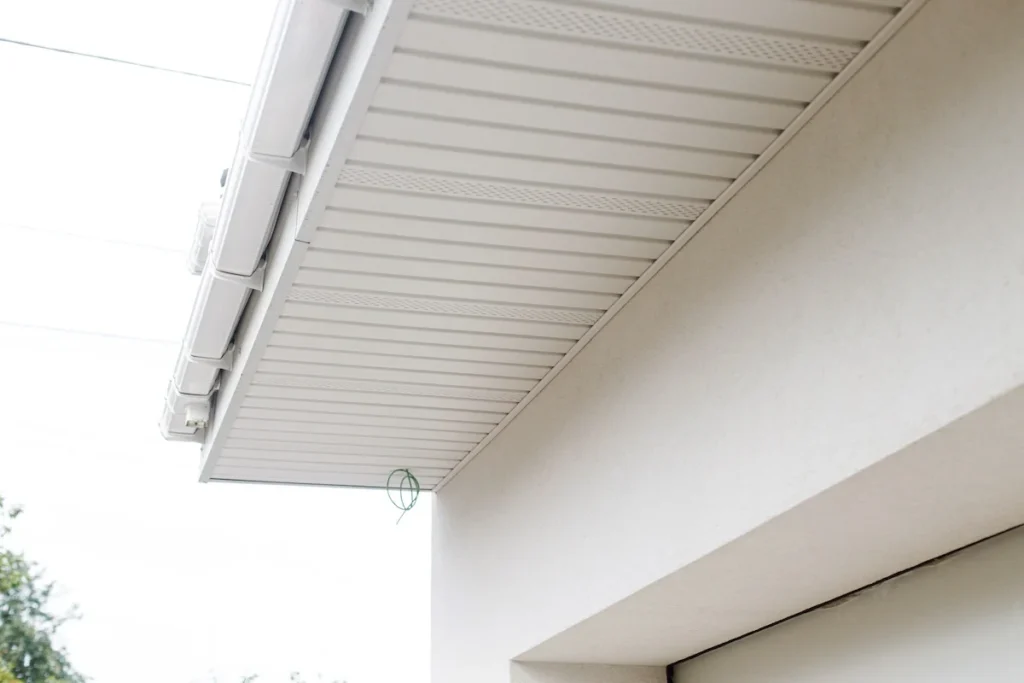
Located beneath the roof overhang, the soffit helps ventilate the attic. Without airflow, moisture becomes trapped and damages roof trusses, insulation, and even ceiling joists. Clear soffit vents promote balanced temperatures and prevent long-term structural issues.
4 Tips for Protecting Each Part of Your Roof
Below are essential ways to keep core roof components performing at their best. Proactive maintenance not only prevents avoidable damage but also strengthens the entire roofing system for long-term durability.
- Clear debris regularly: Organic buildup traps moisture that damages shingles and soffits
- Inspect flashing closely: Corrosion or shifting allows water to enter where roof planes meet
- Seal and paint fascia: Especially important for homes near salt air or frequent rainfall
- Improve attic airflow: Proper ventilation protects shingles, underlayment, and internal framing
How to Maintain Your Roof’s Key Parts for Lasting Performance
Proper maintenance is the most effective way to extend your roof’s lifespan. Ladner homeowners benefit from regular inspections due to coastal humidity and seasonal rainfall that can stress different parts of a roof.
Regular Inspections
Check your roofing system twice a year and after major storms. Look for shingle granule loss, lifted flashing, sagging roof planes, or stains that indicate moisture trapped beneath roof sheathing.
Cleaning Gutters and Fascia
Clogged gutters force water back toward fascia and the exterior wall. Removing debris prevents overflow and reduces the risk of damage to the drip edge, decking, and structural framing.
Attic Ventilation Management
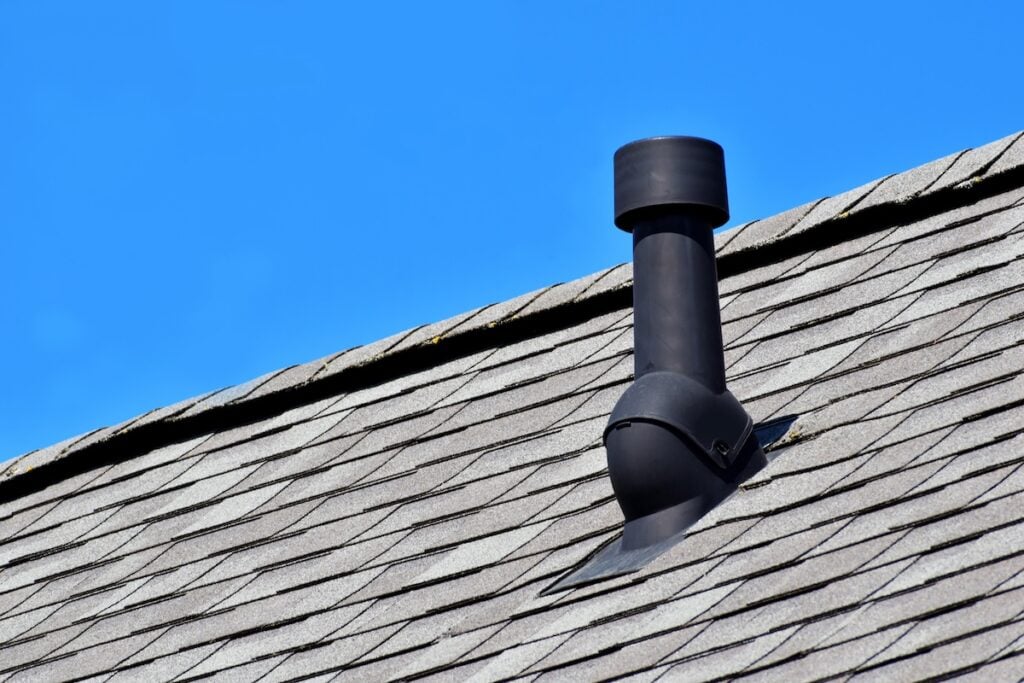
Good airflow protects the interior roof structure. Ensure soffit vents are unobstructed and confirm that attic insulation supports proper ventilation. Balanced airflow reduces condensation and prevents issues with ceiling joists and roof trusses.
Timely Repairs and Professional Assessments
Addressing small cracks, leaks, or flashing damage prevents broader issues that affect the entire roofing system. Complex repairs should be handled by trained professionals familiar with Ladner’s weather patterns and structural requirements.
Choosing Roofing Materials That Support Durability
Your material choices influence how well your roof withstands coastal climate, UV exposure, and moisture. Below is a comparison to help guide your decision.
| Material | Durability | Cost Range | Pros | Cons |
| Asphalt Shingles | 15–30 years | Low | Easy installation, cost-effective | Less resistant in extreme weather |
| Metal Roofing | 40–70 years | Moderate to high | Highly durable, energy efficient | Higher upfront investment |
| Clay or Concrete Tiles | 50+ years | High | Fire resistant, distinctive appearance | Heavy, requires reinforced framing |
| Slate | 75–100 years | Very high | Extremely durable, premium aesthetic | Expensive and challenging to install |
Choosing materials that support local climate and roof geometry, such as a hip roof or steep-pitch design, ensures enhanced long-term performance.
Army Roofing: Your Trusted Experts for Roof Care in Ladner
Your roof includes critical components that work together to protect your home from the elements. Understanding the parts of a roof helps you maintain it more confidently and avoid costly surprises. Army Roofing provides inspections, repairs, and full roof replacement services designed to meet the demands of Ladner’s climate. If you want expert guidance on your roofing system, from structural components to material upgrades, contact Army Roofing today for reliable, professional service.
Army Roofing proudly serves homeowners in Ladner and surrounding areas with expert repair and maintenance solutions tailored to your roofing system.
Recent Articles
The Roof Blog