



What Are Roof Eaves? (Function, Placement, & More)
Roof eaves play an essential role in protecting your home’s exterior and improving overall roof performance. Many homeowners do not realize how much these overhangs influence ventilation, drainage, and long-term curb appeal. Whether you are upgrading your roof or maintaining an older home in Richmond, understanding how roof eaves work helps you make informed decisions about repairs, materials, and design. These details become especially important when choosing a roof overhang style or repairing roof eaves that no longer function correctly.
• Learn what roof eaves are and how they support your roofing system
• Understand the different parts that make up a roof eave
• Compare common eave styles and their ideal applications
• Explore design considerations that improve performance and aesthetics
• Discover maintenance tips to prolong the life of your eaves and roofing system
Understanding What Roof Eaves Are
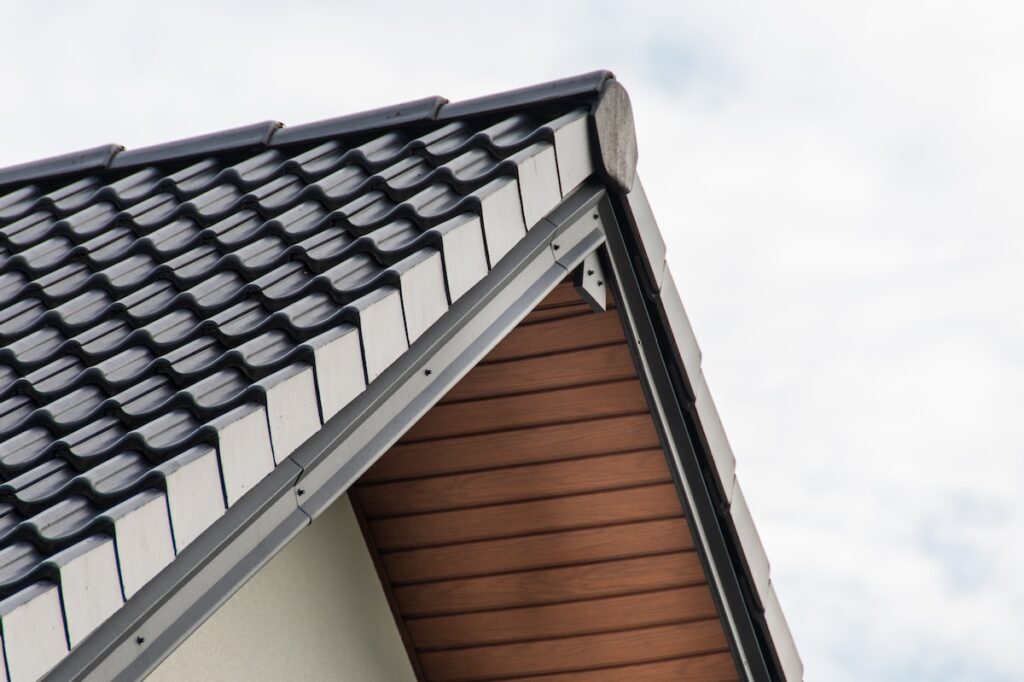
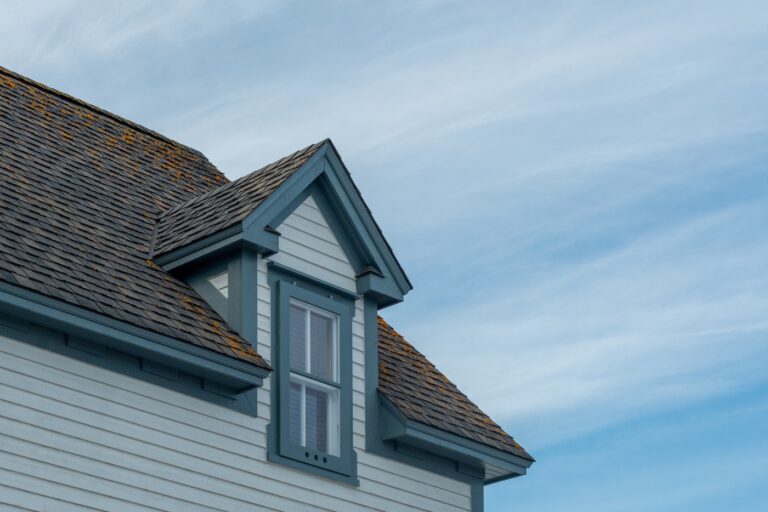
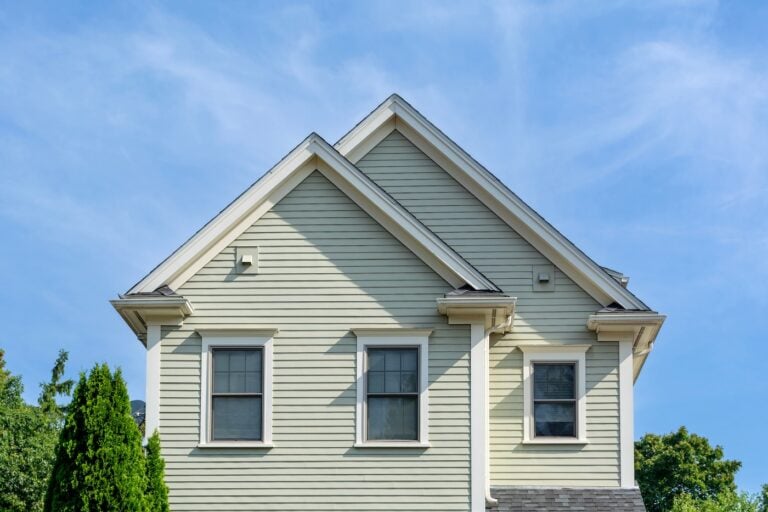
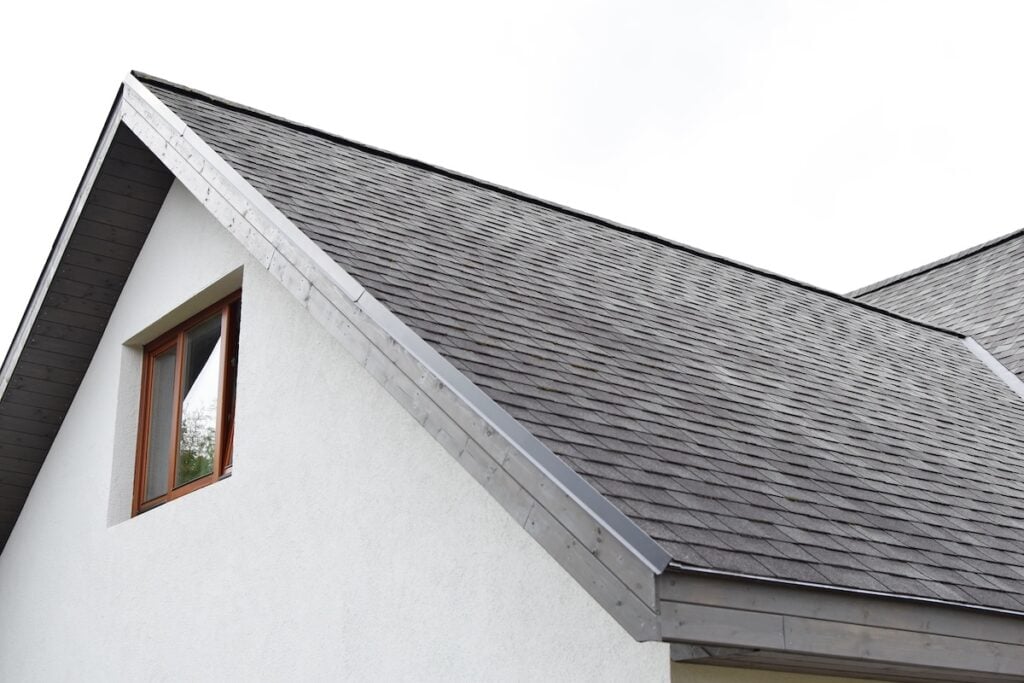
Roof eaves are the portions of the roof that extend beyond the home’s exterior walls. Their primary purpose is to direct water away from the siding and foundation, but they also influence ventilation, shading, and the roof’s overall structure. Because eaves are exposed to the elements year-round, the way they are designed and maintained plays a major role in roof longevity. Homes with proper soffit eaves experience better airflow and moisture control inside the attic, which helps preserve the roof rafter system.
Key Components of Roof Eaves
Different parts of the eave work together to protect the home and create a finished look.
• Fascia board: Supports the gutter system and provides a clean edge along the roofline
• Soffit: Located underneath the eave; may include vents for attic airflow
• Drip edge: Metal flashing that prevents water from seeping into fascia or underlying materials
Each component supports both the structure and the aesthetics of the roof overhang.
8 Core Functions of Roof Eaves
Roof eaves support several important functions that protect your home and improve overall roof performance. Understanding these roles helps homeowners appreciate why eaves are essential in both roof design and long-term maintenance.
- Water control: Helps direct rainwater away from siding and foundation areas
- Ventilation support: Allows fresh air to move into the attic through soffit vents
- Sun protection: Shades windows and walls to reduce heat gain in sunny weather
- Structural support: Protects roof framing and exterior walls from the elements
- Pest deterrence: Sealed or closed eaves prevent insects and small animals from entering
- Moisture reduction: Limits splashback and moisture accumulation near the home’s base
- Curb appeal enhancement: Adds depth, character, and architectural balance
- Energy efficiency improvement: Helps regulate indoor temperatures by reducing direct sun exposure on walls and windows
How Placement and Overhang Length Impact Performance
Eave placement varies depending on the home’s roof design and local climate. In Richmond’s wet environment, longer overhangs are often recommended because they provide added protection from rainfall. Choosing the right roof overhang helps shield siding, windows, and walkways from moisture.
Typical Eave Measurements
Most homes use overhangs between 12 and 24 inches, though certain architectural styles extend them further. The roof pitch also affects how far eaves extend and how effectively they move water away from the structure.
• Short overhangs: Common in minimalist or modern builds
• Longer overhangs: Typical in traditional, coastal, or craftsman-style homes
Materials Commonly Used for Roof Eaves
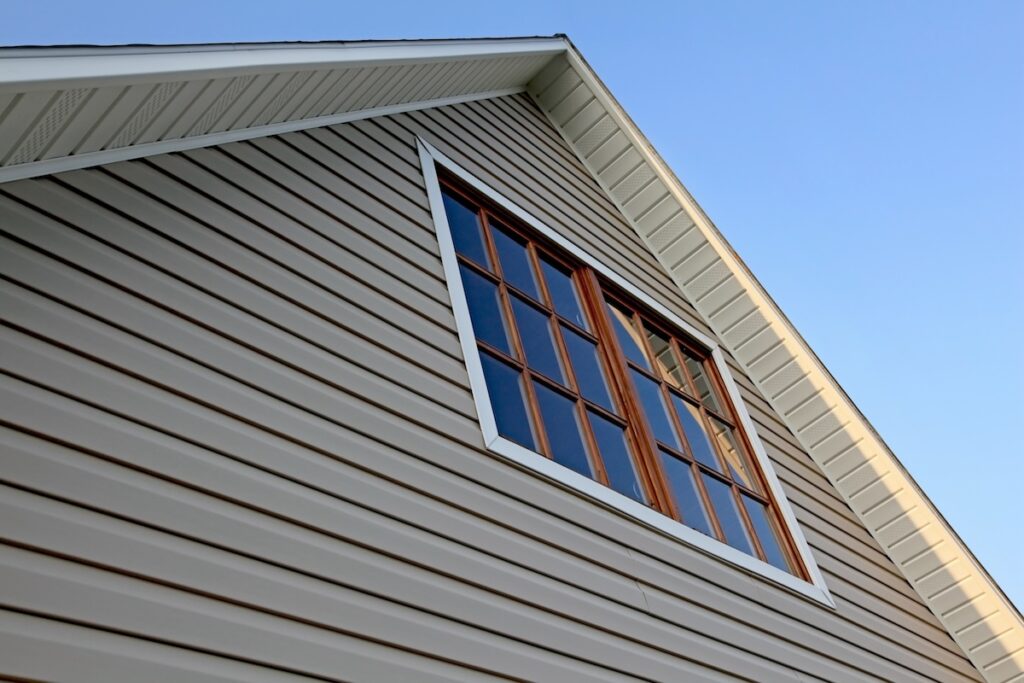
Choosing materials that match your climate and design style helps extend the life of your roofing system. Because Richmond experiences year-round moisture, many homeowners choose aluminum or fiber cement to reduce the frequency of repairing roof eaves.
Fascia and Soffit Options
• Wood: Attractive and traditional but requires regular painting or sealing
• Vinyl: Low maintenance and resistant to rot
• Aluminum: Durable, lightweight, and often used in vented or closed eaves
• Fiber cement: Fire resistant and designed for long-term durability
Comparing Four Popular Roof Eave Styles
Different homes benefit from different eave styles, and choosing the right one can greatly influence both performance and architectural appeal. Comparing these common designs helps homeowners understand which style best fits their climate, maintenance preferences, and exterior design goals.
| Style | Description | Best For | Pros | Cons |
| Boxed Eaves | Fully enclosed with soffit panels, also known as closed eaves | Traditional or modern homes | Clean look, protects rafters, adds venting options | Requires periodic soffit upkeep |
| Open Eaves | Exposed rafters without enclosure | Craftsman, rustic, heritage homes | Strong visual appeal, easy access | Offers less weather and pest protection |
| Extended Eaves | Overhangs beyond 24 inches | Wet or sunny climates | Superior shading and moisture protection | May need structural reinforcement |
| Flush Eaves | Minimal or no overhang | Modern architectural styles | Sleek and streamlined design | Limited protection against rain splash |
Design Choices That Improve Roof Eave Performance
Homeowners can tailor eave design to enhance both function and aesthetics. Thoughtful adjustments to overhang length, materials, and ventilation features can significantly improve performance in Richmond’s climate.
Ventilation Enhancements
Eaves play an important role in creating a balanced attic ventilation system. Together, these components help reduce mold growth, moisture damage, and attic heat.
• Soffit vents: Introduce cool air into the attic
• Ridge vents: Allow warm air to escape
Climate-Responsive Overhangs
Homes in rainy regions like Richmond benefit from extended eaves that keep water away from walls and window trim. Wider overhangs also reduce UV exposure, which helps preserve paint, siding, and roof rafter ends.
Decorative Eave Options
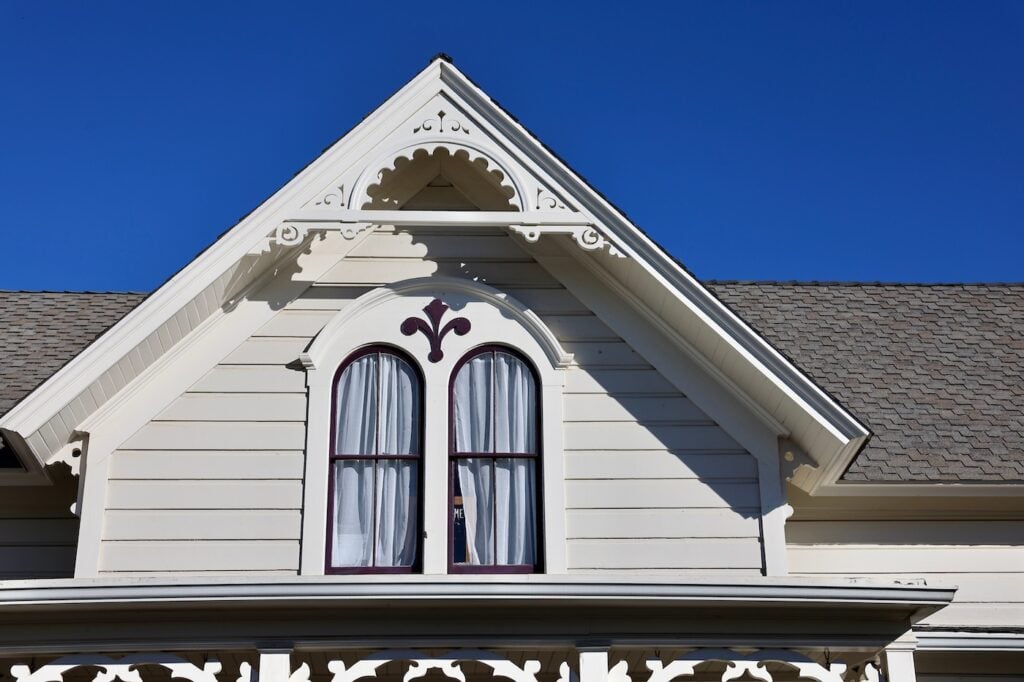
• Bracket details: Add character to craftsman or cottage-style homes
• Trim and molding: Create a more refined and intentional roofline
• Contrasting colors: Highlight architectural depth and improve curb appeal
Maintenance Practices That Keep Roof Eaves in Excellent Condition
Regular upkeep helps prevent expensive repairs and preserves the effectiveness of your roofing system.
• Clean gutters and downspouts: Prevents overflow and fascia damage
• Inspect ventilation openings: Ensures soffit vents remain unblocked
• Check for rot or cracking: Especially important when repairing roof eaves on older homes
• Monitor pest activity: Look for entry points around soffit eaves or fascia gaps
• Refresh paint or sealant: Protects wood components from moisture absorption
Neglecting eaves can lead to larger problems, including roof leaks, siding damage, and reduced ventilation efficiency.
Army Roofing: Your Local Experts for Roof Eaves in Richmond
Roof eaves may not always be the first feature homeowners think about, but they provide essential protection and elevate the appearance of your home. When properly designed and maintained, eaves improve drainage, energy efficiency, and long-term roof performance. Army Roofing provides expert installation, repairs, and upgrades tailored to Richmond’s coastal climate. If you want professional guidance or reliable service for your roof eaves, contact us today for a personalized consultation and trusted residential roofing solutions.
Recent Articles
The Roof Blog