



6 Step Roof Flashing Repair Guide for Homeowners
When it comes to maintaining a durable and weatherproof roof, knowing about roof flashing repair is essential. Roof flashing plays a crucial role in preventing water infiltration at roof joints, chimneys, skylights, and valleys. Timely and proper flashing repair can save homeowners from costly water damage and structural issues. For homeowners interested in professional solutions, exploring residential roofing services can provide valuable assistance.
- Understand the importance of roof flashing and common signs of damage
- Learn a step-by-step method for repairing roof flashing safely and effectively
- Discover tools and materials required for roof flashing repair projects
- Explore maintenance tips to extend the life of your roof flashing
- Know when to seek professional help for complex flashing issues
Understanding Roof Flashing and Why Repair Matters
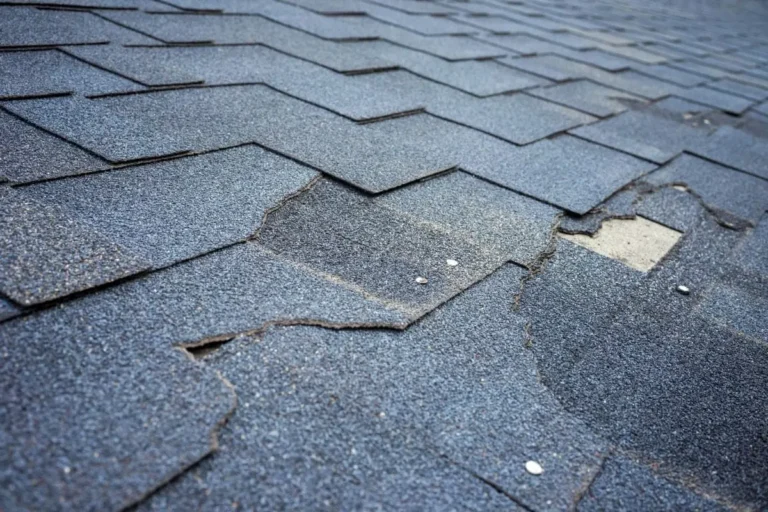
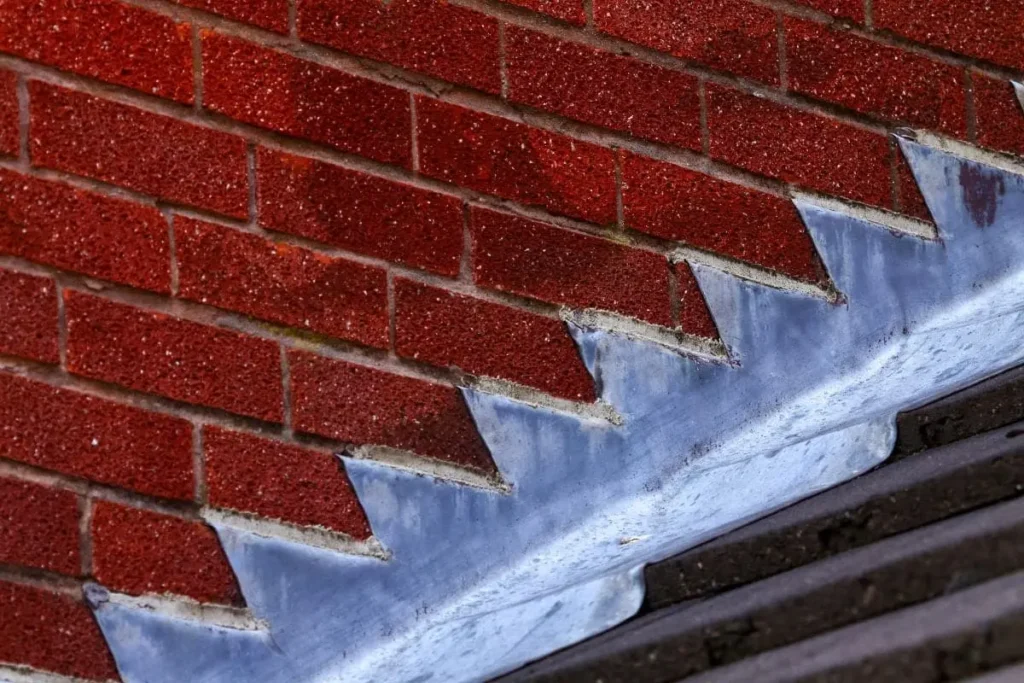
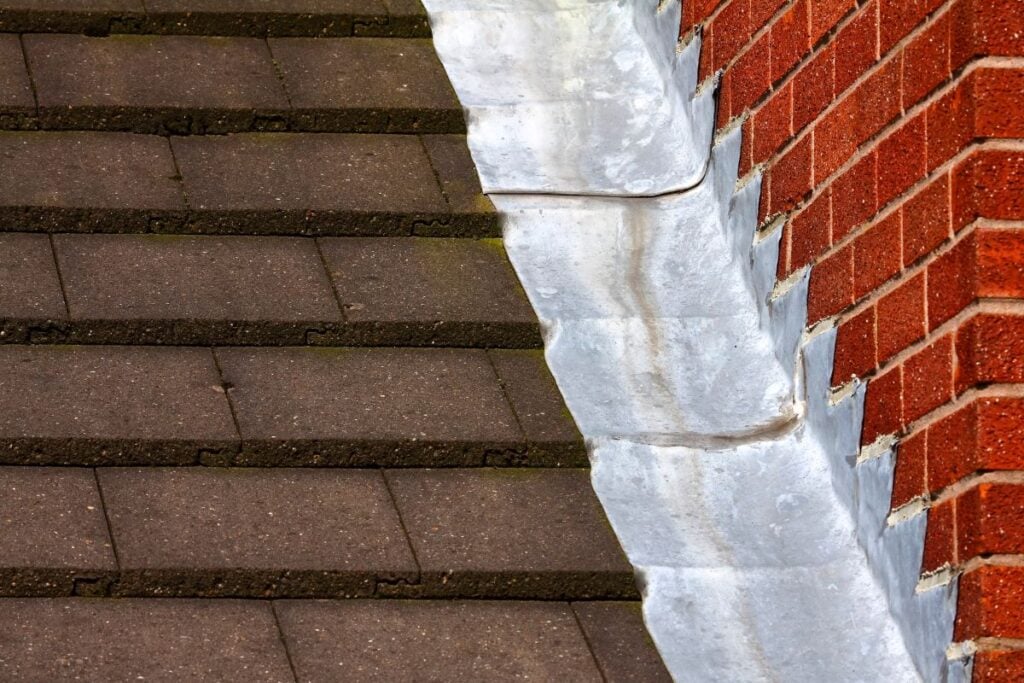
Roof flashing serves as one of the first lines of defense against water intrusion on a home’s roof. Made typically of metal or flexible materials, flashing covers seams and joints vulnerable to leaks. Repairing damaged flashing promptly can prevent leaks that cause rot, mold, and insulation damage inside your home.
- Protects structural integrity: Flashing keeps water out, sustaining the roof’s support components
- Prevents mold and mildew: Proper flashing limits moisture buildup inside walls and ceilings
- Increases roof longevity: Well-maintained flashing reduces wear on roofing materials
- Maintains home value: Avoiding water damage preserves your home’s market appeal
- Cost efficiency: Repairing flashing early avoids expensive restoration later
6 Steps to Repair Roof Flashing for Homeowners
Repairing roof flashing may seem daunting, but with careful preparation and attention to detail, many homeowners can handle basic repairs themselves. Follow these six steps to restore your roof flashing’s protective function effectively.
1. Inspect the Roof Flashing Thoroughly
Start by carefully examining all flashing areas for rust, cracks, gaps, or loose edges. Use binoculars for a safe, initial external inspection, then climb a ladder for closer viewing if comfortable.
- Key areas: Roof valleys, chimneys, vents, and skylight perimeters
2. Gather Essential Tools and Materials
Being equipped properly ensures smooth repair work. Common items include galvanized metal flashing, roofing cement, nails, a hammer, putty knife, wire brush, and a caulking gun with roofing sealant.
3. Remove Damaged Flashing as Needed
If flashing is badly corroded or warped, gently pry it off with a crowbar or putty knife. Care must be taken not to damage the surrounding shingles or roof structure during removal.
4. Clean the Repair Area
Clear away debris, old roofing cement, and rust using a wire brush. This step helps new materials adhere securely and ensures a watertight seal once repairs are complete.
5. Cut and Install New Flashing
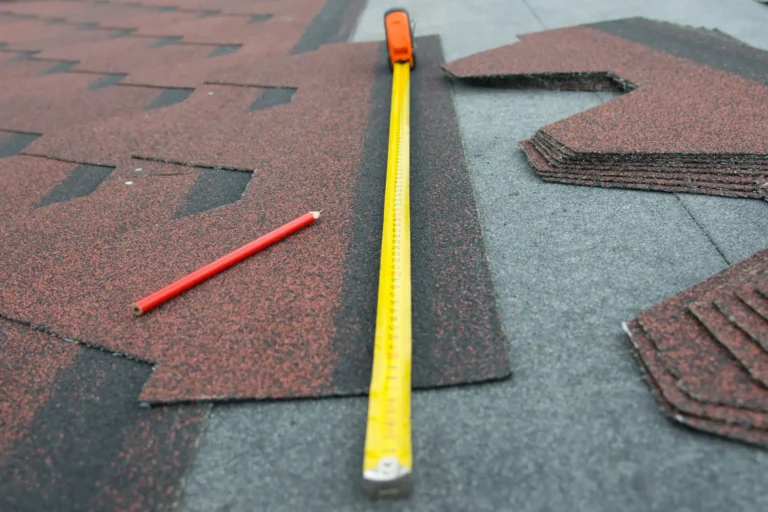
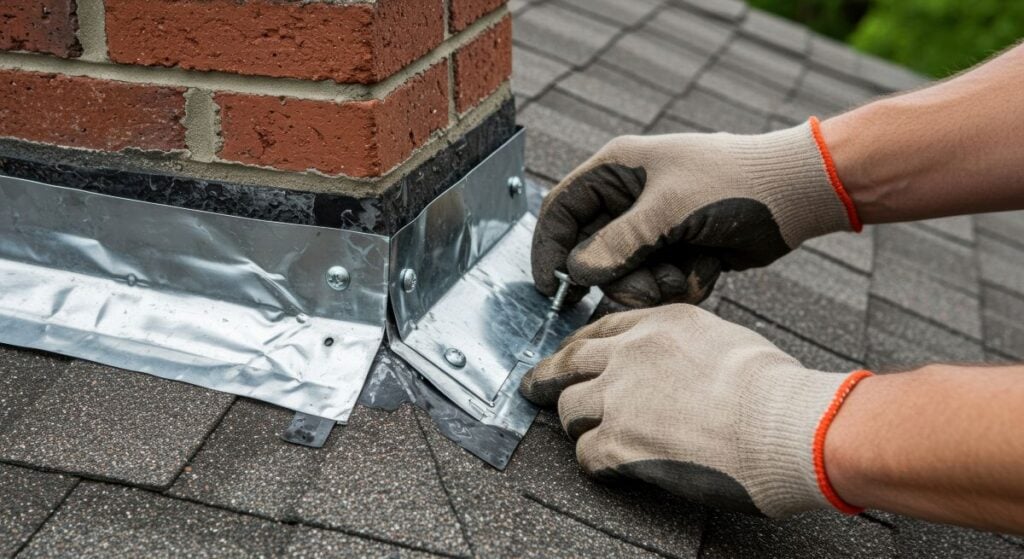
Measure and cut new flashing pieces to fit the repair area with a slight overlap onto the existing roof surface. Secure the flashing in place with roofing nails or screws, ensuring it lies flat and properly aligned.
6. Seal, Inspect, and Clean Up
Apply a generous bead of roofing cement or sealant under all flashing edges and around fasteners to prevent water infiltration. Smooth the sealant with a putty knife, then inspect all repaired areas for gaps or loose sections. Finish by removing leftover materials and tools from the roof and surrounding area.
Advanced Roof Flashing Repair Considerations
While small flashing repairs can often be tackled by homeowners, some situations require more advanced techniques or materials for optimal results. It’s important to recognize when a flashing repair exceeds typical DIY scope.
- Custom metal fabrication: Complex roof intersections may require specialized flashing made to precise dimensions
- Integration with roofing membranes: Flat or low-slope roofs often need membrane-compatible flashing systems
- Multiple flashing layers: Older roofs may contain layered flashing that complicates repairs
- Severe corrosion or damage: Extensive rust or structural deterioration often requires full replacement
Maintaining Your Roof Flashing for Long-Term Protection
Preventing flashing issues before they develop is ideal. Consistent upkeep helps preserve your roof’s water resistance and overall performance.
Regular Inspections
Schedule roof inspections at least twice a year and after major storms to catch early signs of flashing failure.
Keep Gutters Clean
Clear leaves and debris from gutters and downspouts to prevent water from backing up near flashing joints.
Trim Nearby Trees
Overhanging branches can damage flashing and promote moisture retention that accelerates corrosion.
Promptly Address Minor Damage
Small cracks or lifted flashing edges should be sealed or secured immediately to avoid worsening problems.
Professional Roof Maintenance
Annual maintenance by roofing professionals can extend flashing life through expert inspection and preventative care.
Common Questions About Roof Flashing Repair
- How can I tell if my roof flashing needs repair? Look for water stains on ceilings, peeling paint near chimneys or walls, rust on metal flashing, or visibly lifted flashing edges.
- Can I repair roof flashing myself safely? Basic repairs are possible for experienced and cautious homeowners, but steep roofs or complex flashing should be handled by professionals.
- How much does roof flashing repair typically cost? Costs vary based on damage severity, materials, and roof access. DIY repairs cost less, while professional repairs increase with complexity.
- How often should roof flashing be inspected or replaced? Inspections every few years are recommended, with replacement typically needed after 15–20 years or when damage is severe.
Expert Roof Flashing Repair Solutions in Your Area
Maintaining and repairing roof flashing is essential for protecting your home from water damage, but repairs can become complex depending on roof design and age. Army Roofing provides trusted roof flashing repair and residential roofing services for homeowners in your area and surrounding communities. If you’re dealing with recurring leaks or extensive flashing damage, contact us today for professional guidance and dependable service. Army Roofing is committed to keeping your home protected with quality workmanship and long-term solutions.
Recent Articles
The Roof Blog