



What Is a Roof Ridge Cap? (Roof Parts Explained)
Understanding the different components of your roof is essential for maintaining durability, preventing leaks, and increasing your home’s energy efficiency. One component many homeowners overlook is the roof ridge cap. This small but essential piece protects the highest point of your roof and impacts both functionality and curb appeal. Homes in Port Coquitlam benefit especially from well-installed ridge caps due to frequent rainfall and seasonal winds. If you are planning roof repairs, replacement, or improvements, learning about ridge caps helps you make informed decisions about your roofing system.
• Understand what a roof ridge cap is and why it matters
• Learn the benefits ridge caps provide to your home
• Explore the different ridge cap materials available
• Review the installation process and what to expect
• Identify early warning signs of ridge cap failure
Why the Roof Ridge Cap Is Important for Your Home
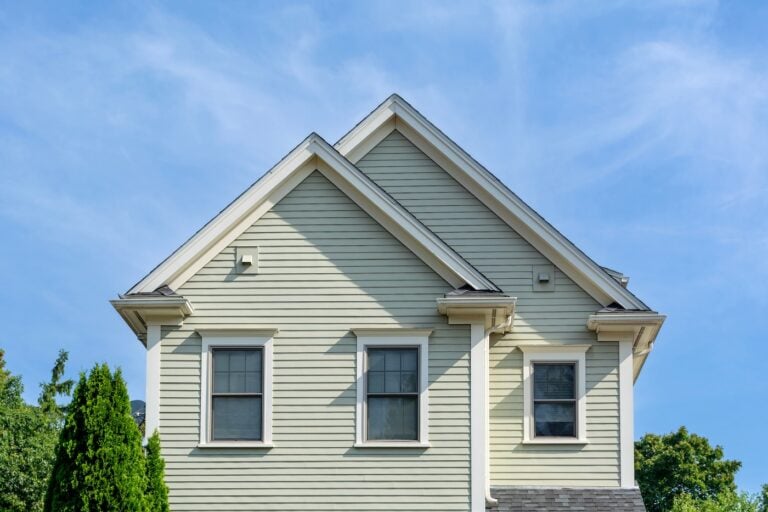
The ridge cap helps protect the peak where two roof planes meet. This joint is one of the most vulnerable areas on any roof, making proper coverage vital to long-term home protection.
• Weather protection: Shields the roof’s highest point from water, wind, and snow
• Ventilation: Supports attic airflow when paired with ridge vents
• Structural integrity: Secures the top row of shingles and stabilizes the roofline
• Aesthetic appeal: Completes the roof’s appearance with a clean, finished edge
• Longevity: Reduces the risk of leaks and extends the life of the roofing system
5 Key Facts About Roof Ridge Caps You Should Know
Ridge caps play a central role in your roof’s performance. Understanding these fundamentals helps homeowners make smart choices during repairs or replacements.
1. What Exactly Is a Roof Ridge Cap?
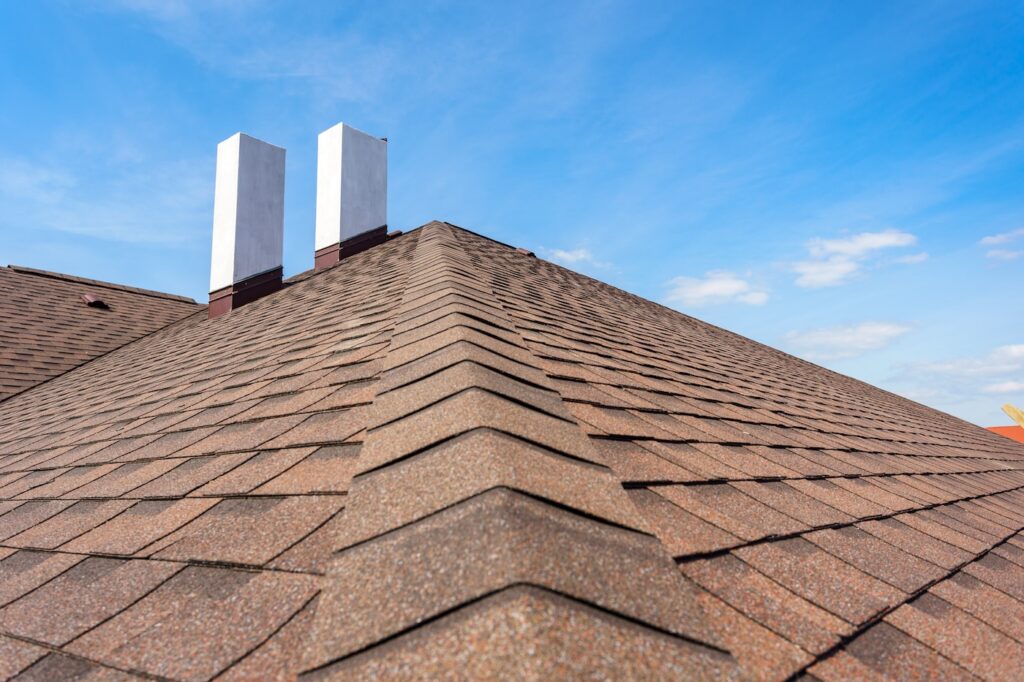
A roof ridge cap is a finishing material installed along the peak where two roof slopes meet. It seals the open ridge and prevents water, debris, and pests from entering the roofing system.
2. Materials Used for Ridge Caps
Ridge caps can be made from various materials suited to different roofing types, including asphalt shingles, metal, clay or concrete tiles, and wood shingles. Choosing the right material ensures performance and visual consistency.
3. Ridge Caps and Roof Ventilation
When paired with a ridge vent, the ridge cap supports attic ventilation by allowing heat and moisture to escape. This improves indoor comfort, protects insulation, and reduces the risk of mold growth.
4. Signs You Might Need Ridge Cap Repairs
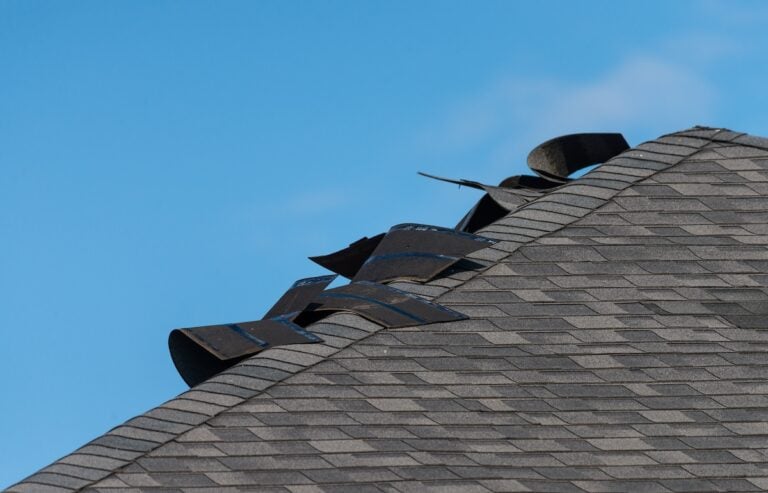
Common indicators include cracked or missing ridge shingles, gaps along the roof peak, leaks originating near the top of the roof, or drafts felt inside the attic. Addressing these signs promptly prevents more serious roofing problems.
How to Maintain and Care for Your Roof Ridge Cap
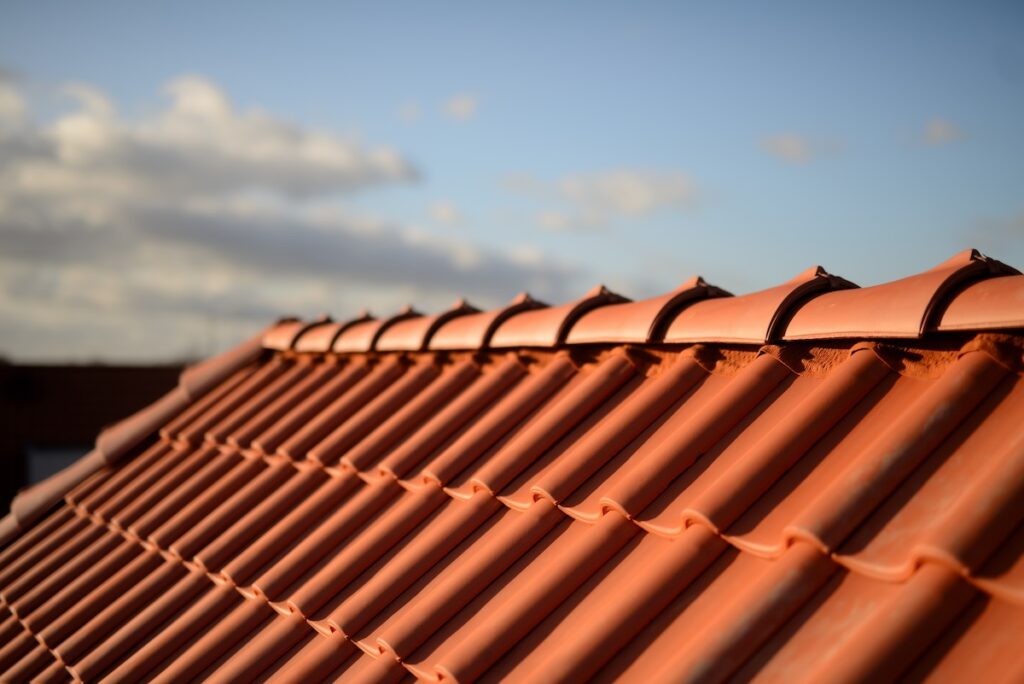
Keeping your ridge cap in good condition supports long-term performance across the entire roofing system. Below are practical ways to maintain protection and durability.
• Inspect regularly: Check the ridge cap after storms for cracks, lifting, or misplaced shingles
• Clear debris: Remove branches, leaves, moss, or buildup that can trap moisture along the roof peak
• Watch for mold or algae: Address fungal growth early to prevent material deterioration
• Check ridge overlaps: Ensure cap shingles remain sealed tightly with no visible gaps
• Schedule professional evaluations: Roofing specialists can identify hidden issues and perform necessary repairs
Comparing Different Roof Ridge Cap Types for Residential Roofing
Different ridge cap types suit different roof styles and performance needs. The chart below helps you compare options based on durability, appearance, and ventilation.
| Ridge Cap Type | Material | Durability | Aesthetic | Ventilation Capability | Typical Cost |
| Asphalt Shingle Ridge Cap | Asphalt | Moderate | Matches roof color and texture | Optional | Low to Medium |
| Metal Ridge Cap | Aluminum or Steel | High | Clean, modern look | High | Medium to High |
| Clay/Concrete Tile Ridge Cap | Clay or Concrete | High | Traditional and decorative | Usually no | High |
| Wood Shingle Ridge Cap | Wood | Moderate | Rustic and natural | Limited | Medium |
Homeowners should consider climate, budget, and roofing material compatibility when choosing a ridge cap. Working with a skilled roofing team ensures correct sizing, sealing, and installation.
Common Myths About Roof Ridge Caps
Misunderstandings about ridge caps often lead homeowners to overlook problems or make incorrect assumptions about their roofing system. Clearing up these myths helps ensure your roof remains protected and properly maintained.
Myth 1: Ridge Caps Are Only for Aesthetic Purposes
Some homeowners assume ridge caps simply improve appearance. In reality, they serve a critical functional purpose.
• Truth: Ridge caps seal the peak where roof planes meet, preventing water intrusion and protecting vulnerable joints from weather exposure
Myth 2: Regular Shingles Work Just as Well as Ridge Caps
It’s a common belief that leftover shingles can be used to cover the ridge. This leads to premature failure and leaks.
• Truth: Standard shingles are not engineered to bend over the ridge or withstand uplift, making purpose-built ridge cap shingles essential
Myth 3: Ridge Caps Rarely Need Maintenance
Many homeowners assume ridge caps last indefinitely as long as the main roof is intact. Weather and time tell a different story.
• Truth: Ridge caps can crack, shift, or lose sealant due to wind, temperature changes, and debris, requiring periodic inspection and maintenance
Real-World Examples of Ridge Cap Issues and Solutions
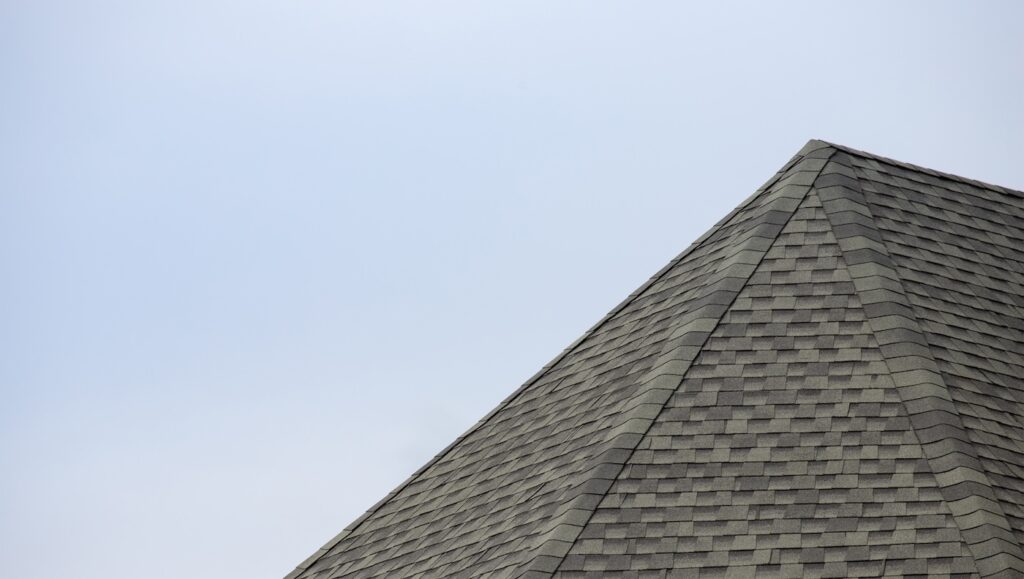
Ridge cap problems often appear during seasonal weather changes, especially in areas like Port Coquitlam where moisture and wind are consistent year-round. These real-life situations help illustrate how ridge cap issues develop and how homeowners can address them effectively.
• Wind-lifted ridge caps: A homeowner noticed shingles scattered in the yard after a storm; inspection revealed lifted ridge cap shingles allowing water to enter, leading to a quick repair and resealing
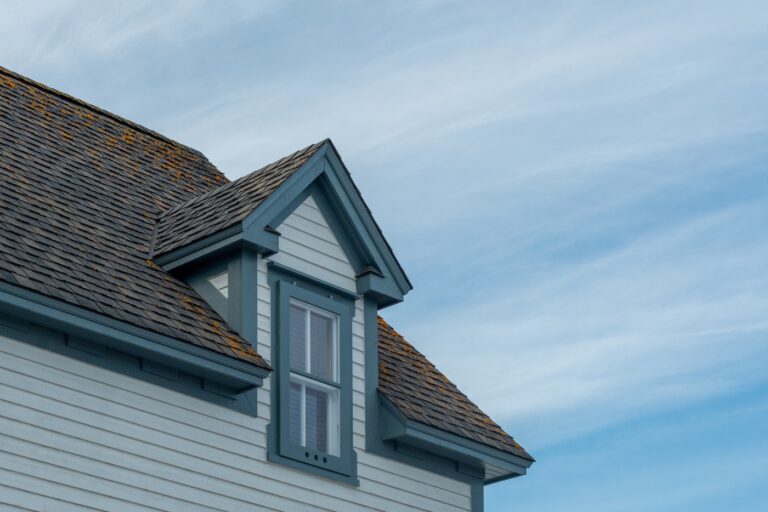
• Moss buildup along the ridge: In a shaded neighborhood, moss began growing under the ridge line, trapping moisture that softened the shingles and required cleaning and preventive treatment
• Cracked asphalt ridge caps: Aging asphalt caps began splitting during hot summers and cool nights, prompting replacement with upgraded ridge cap shingles designed for temperature fluctuation
• Improperly installed ridge vent system: A homeowner experienced attic humidity because the ridge cap was installed without adequate ventilation space, requiring removal and proper venting installation
Army Roofing: Expert Ridge Cap Installation and Roof Care in Port Coquitlam
Understanding and maintaining your roof ridge cap is essential for protecting one of the most vulnerable areas of your roofing system. Proper installation prevents leaks, supports ventilation, and enhances overall curb appeal. Army Roofing proudly serves homeowners in Port Coquitlam and nearby communities with reliable ridge cap repairs, replacements, and roofing expertise tailored to local weather conditions.
If you want professional support with ridge cap installation or maintenance, contact Army Roofing today for dependable solutions designed to safeguard your home.
Recent Articles
The Roof Blog