



5 Minor & Major Types of Roof Storm Damage (& When to Act)
Understanding roof storm damage is essential for protecting your home and avoiding costly repairs. Storms can create both minor and major issues, and knowing when to act keeps your home safe, prevents roof leaks, and helps you decide when a repair or full roof replacement is necessary. Homeowners throughout Surrey and nearby communities benefit from recognizing early warning signs and responding quickly after severe weather. Acting early not only protects your roof but also helps maintain your home’s long-term structural integrity.
• Identify common types of roof storm damage
• Learn the signs that require urgent repairs
• Explore safe steps for assessing roof damage
• Understand the value of professional inspections
• Discover strategies to protect your roof from future storms
Why Recognizing Roof Storm Damage Matters
Roof damage caused by storms can escalate quickly if ignored. Even small problems create pathways for water infiltration, mold growth, and structural deterioration. Acting promptly ensures your home stays safe, dry, and protected during future storms. Surrey homeowners face seasonal rainfall, strong winds, and occasional hail, all of which can weaken roofing materials and accelerate the need to replace your roof. Early detection helps minimize repair costs, keeps your roof performing efficiently, and preserves both curb appeal and property value.
5 Common Types of Roof Storm Damage
Assessing your roof after a storm helps you determine whether repairs or a full roof replacement may be necessary. These steps allow you to evaluate the condition of your roof safely and avoid causing additional damage.
1. Shingle Damage
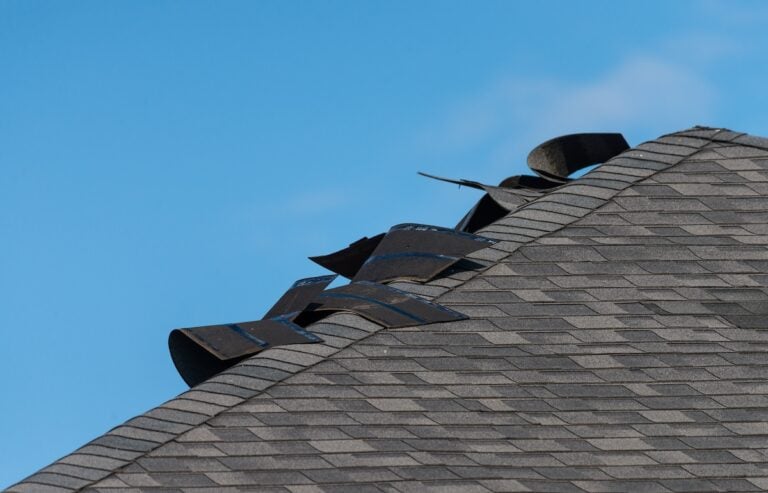
Shingles serve as the first protective layer and often show visible storm impact. Hail, wind, and debris can loosen, crack, or remove shingles, reducing the roof’s ability to shed water correctly. Exposed underlayment or broken asphalt shingles should be addressed quickly to prevent leaks and further deterioration. When widespread shingle damage is present, a full roof replacement may be the most effective long-term solution.
2. Roof Leaks
Storms frequently create openings that allow water inside the home. Leaks may form around chimneys, vents, skylights, or improperly sealed flashing. Interior signs such as water stains, bubbling paint, or musty odors signal the need for immediate professional repair. Ignoring leaks can lead to attic insulation damage, mold spread, and weakened structural framing.
3. Structural Damage
Strong winds or fallen tree limbs can compromise the roof’s structural components. This includes cracked rafters, bowed trusses, or sagging roof decking. Structural instability is hazardous and requires immediate professional evaluation to ensure your roof remains safe. Homes with aging roofing materials or previous storm exposure may be more vulnerable to structural harm.
4. Gutter and Downspout Issues
Gutters play a crucial role in directing water away from the roof and foundation, but storms can damage or clog them easily. Bent brackets, detached sections, or overflowing gutters indicate restricted water flow. If unaddressed, poor drainage leads to water pooling, fascia damage, and potential foundation issues. Regular gutter cleaning helps prevent future storm-related complications.
5. Hail Damage
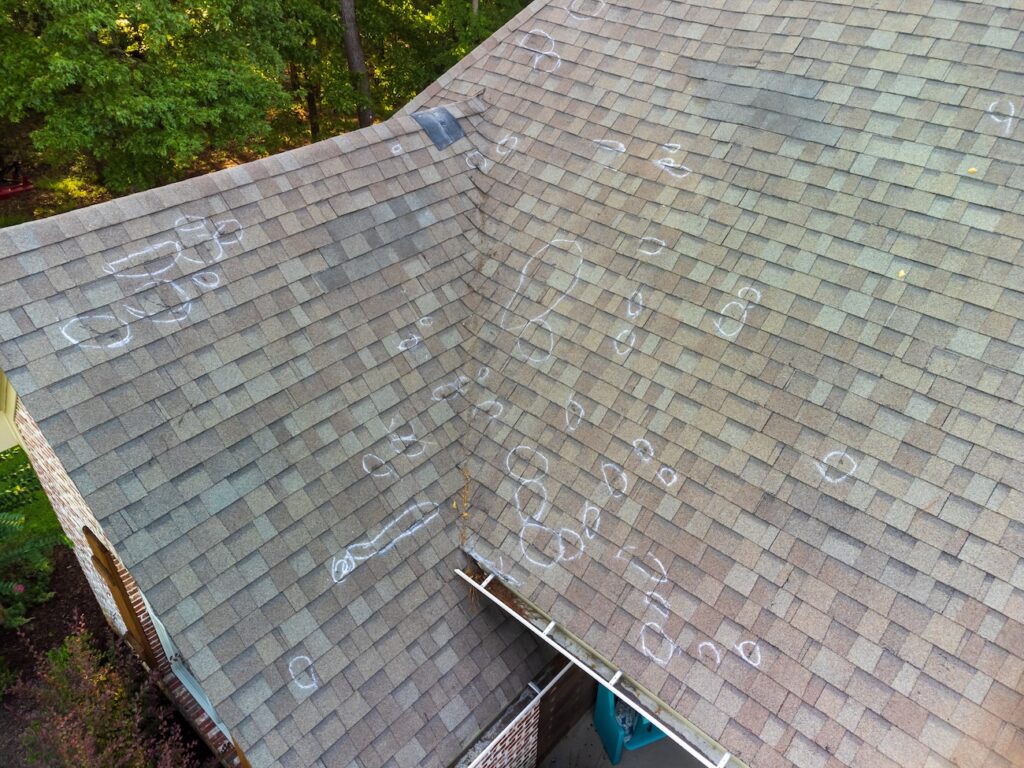
Hail causes dents, bruises, and granule loss that may not be visible from the ground. This damage weakens shingles and reduces their life expectancy. Metal roofing panels and tile roofs can also crack or dent during severe hail, making a post-storm inspection essential. Insurance companies often require clear evidence of hail impact, which makes quick documentation important.
How to Assess Roof Damage After a Storm
Assessing your roof after a storm helps you understand whether repairs or a full roof replacement may be needed. These steps allow you to evaluate storm impact safely without risking injury or causing further damage.
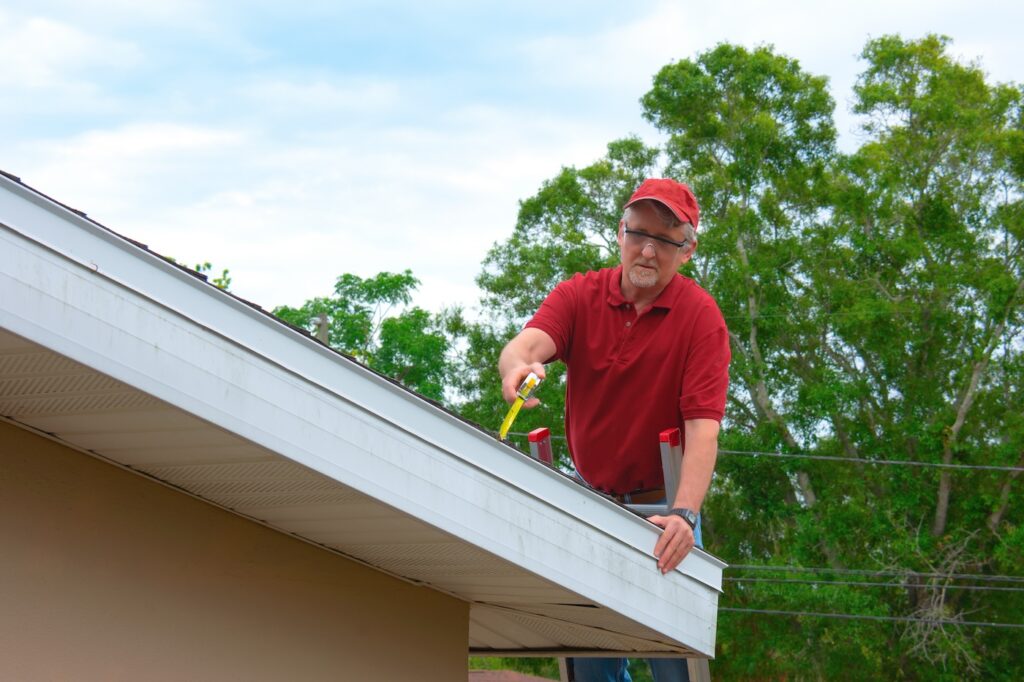
- Conduct a visual ground inspection: Look for missing shingles, fallen branches, or uneven roof surfaces from a safe distance. Avoid ladders right after storms due to slippery, unstable conditions.
- Check the attic: Look for moisture, mold, or daylight entering through gaps in the roof deck. Damp insulation or dark staining usually signals storm-related leaks.
- Avoid unsafe DIY roof walks: Walking on a storm-damaged roof is hazardous and can worsen existing issues. Trained professionals should be the only ones accessing the roof after severe weather.
- Photograph and document the damage: Take clear photos of all visible issues for insurance and contractor reference. Include interior and exterior signs to create a complete record.
- Arrange a professional roof inspection: A roofing expert can identify hidden issues and determine whether repairs or replacement are needed. Professional evaluations also help ensure your roof installation meets insurance and manufacturer standards.Long-Term Strategies for Storm Damage Prevention
Storm-proofing your roof reduces repair frequency, prevents leaks during heavy weather, and increases overall roof longevity. Homes in Surrey benefit greatly from preventive planning due to seasonal variations and high rainfall.
Use Impact-Resistant Roofing Materials
Impact-rated shingles and durable metal options perform better in regions with frequent wind and rain. These materials protect against hail bruising, cracking, and granule loss.
Regular Roof Maintenance
• Annual inspections: Help catch small weaknesses early
• Gutter cleaning: Prevents water overflow and backup
• Tree trimming: Reduces branch damage during storms
Proper Roof Ventilation and Insulation
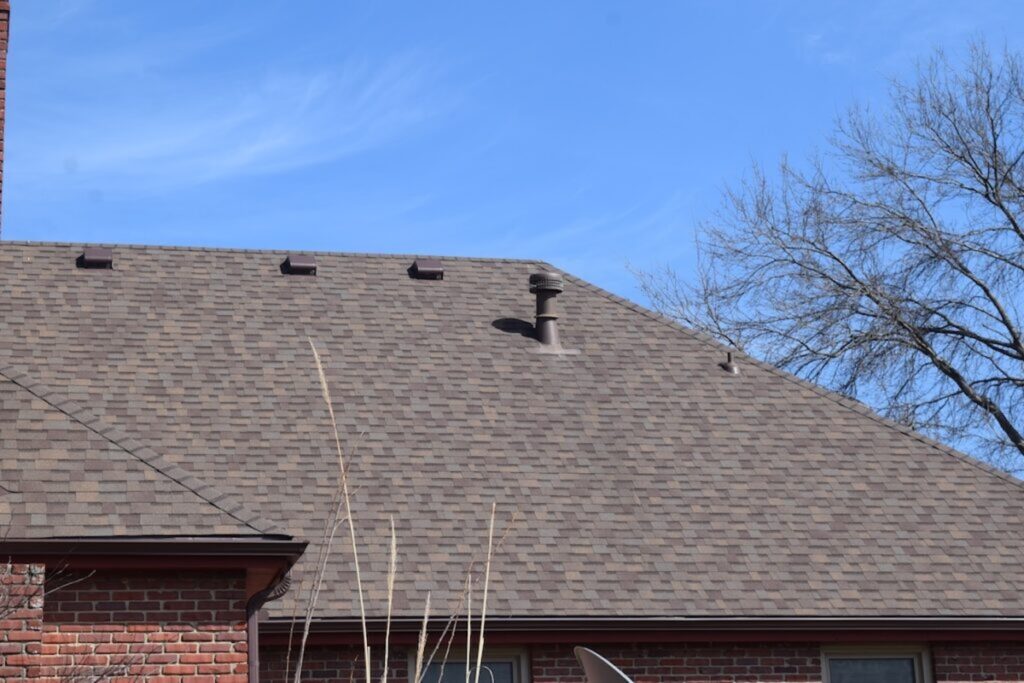
Balanced ventilation reduces heat and moisture buildup that weaken roofing components. Homes with adequate airflow better withstand Surrey’s varied weather patterns.
Strengthen Flashing and Sealants
Secure flashing around roof penetrations helps prevent water intrusion. Ensuring sealants are intact reduces the chance of roof leaks after storms.
Emergency Roof Repair Plans
Partnering with a reliable roofing contractor ensures quick storm response. Timely repairs prevent minor issues from escalating into structural concerns.
Comparing DIY Fixes and Professional Repairs
| Aspect | DIY Repairs | Professional Repairs |
| Cost | Lower upfront cost | Higher initial cost, expert workmanship included |
| Safety | Higher risk without proper training | Safe and compliant methods |
| Quality | Results vary by skill level | Reliable repairs backed by warranties |
| Time | Slower due to inexperience | Faster, more efficient repairs |
| Insurance | May not qualify for claims | Meets insurer requirements |
Homeowners in Surrey benefit from hiring professionals who understand local storm patterns and roofing vulnerabilities. Professional repairs help prevent hidden storm damage from worsening over time and increase the long-term durability of your roof.
Taking the Next Step After Noticing Roof Storm Damage
Ignoring storm damage can lead to costly issues such as mold, structural weakening, and persistent leaks. Whether you notice missing shingles, moisture in the attic, dented metal panels, or sagging rooflines, quick action is essential. Addressing damage early helps prevent expensive restorations later and preserves your home’s value.
Army Roofing provides dependable storm damage assessments, emergency repairs, and full roof replacement services tailored to Surrey’s climate. Contact us today to schedule a thorough inspection and keep your home protected through every season.
Recent Articles
The Roof Blog