



10 Common Problems Solved By Water Proof Membrane
Moisture is one of the most damaging forces affecting any roofing system. A properly installed water proof membrane acts as a critical barrier between your structure and water intrusion. Whether applied beneath shingles, over a roof deck, or along foundation walls, these waterproofing membranes help prevent leaks, structural decay, and long term interior damage.
In climates with heavy rainfall like Richmond, BC, waterproofing solutions are crucial for protecting both residential and commercial properties. Without proper moisture protection, small vulnerabilities can quickly escalate into costly repairs and long term structural concerns influenced by environmental conditions.
- Leak prevention: Membranes create a continuous moisture barrier.
- Structural protection: Shields the roof deck and concrete substrate from water damage.
- Mold prevention: Reduces trapped moisture and limits mold growth.
- Long term durability: Extends the lifespan of roofing materials.
Understanding the problems that require waterproofing can help property owners make informed decisions during roof installation, replacement, or repair projects.
What Is A Water Proof Membrane?
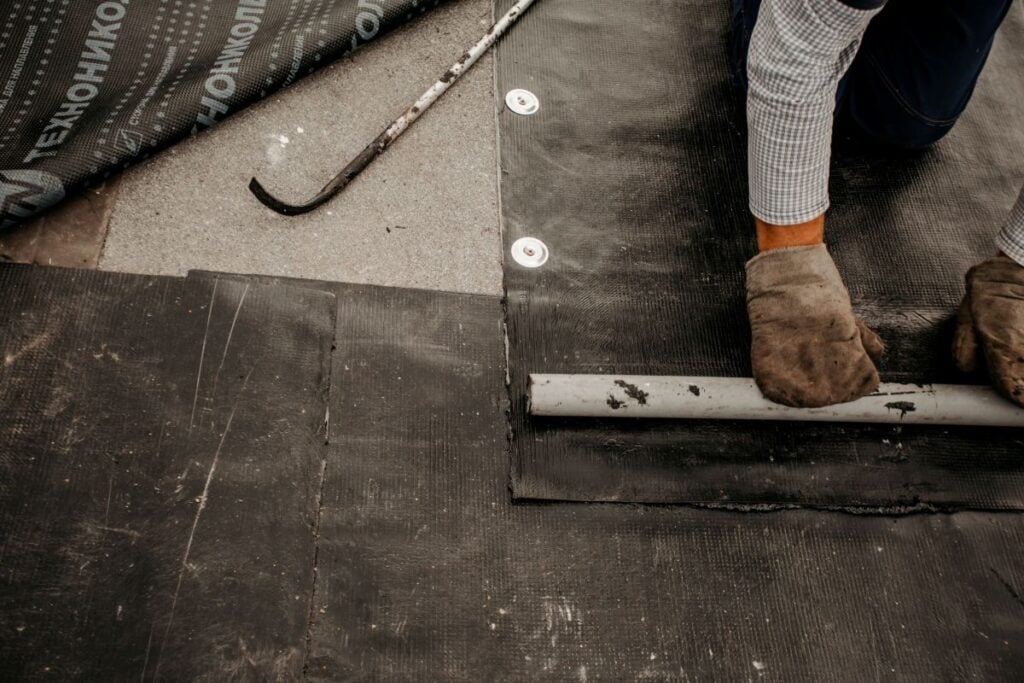
A water proof membrane is a thin, flexible material designed to prevent water from penetrating building components. These waterproofing membranes may be self adhered, torch applied, liquid applied, or mechanically fastened depending on the application and roofing system design. Many systems incorporate rubberized asphalt or synthetic rubber compounds to enhance flexibility and durability.
On sloped roofs, membranes are commonly installed beneath shingles in vulnerable areas such as valleys, eaves, and around penetrations. On flat roofs, they often serve as the primary waterproofing layer, providing continuous protection across the entire surface. These systems are engineered to withstand varying environmental conditions, including temperature fluctuations, UV exposure, and heavy rainfall.
According to the U.S. Department of Energy, water intrusion can significantly reduce insulation effectiveness and lead to structural deterioration, highlighting why waterproofing solutions are crucial for maintaining building performance and energy efficiency.
10 Common Problems Solved By Water Proof Membrane
Waterproofing membranes are designed to address multiple moisture related risks. Below are the most common issues they help prevent.
1. Roof Leaks
One of the primary purposes of a water proof membrane is to provide a secondary barrier beneath shingles or other roofing materials.
- Underlayment backup: Protects if surface materials are compromised.
- Seam protection: Seals vulnerable joints and valleys.
- Penetration coverage: Shields around vents and chimneys.
Even if the outer roofing material fails, the membrane helps prevent immediate water intrusion and interior damage.
2. Ice Dam Water Intrusion
In colder weather, melting snow can refreeze along roof edges and force water beneath shingles.
- Self sealing properties: Many membranes seal tightly around nails.
- Edge protection: Reinforces vulnerable eave areas.
- Backup drainage layer: Prevents water from reaching the roof deck.
This protection is especially valuable in climates experiencing freeze and thaw cycles.
3. Mold Growth And Indoor Air Quality Issues
Moisture trapped within roof assemblies creates ideal conditions for mold growth, which can impact both structural integrity and indoor air quality.
- Moisture barrier: Limits water penetration into insulation.
- Health protection: Reduces airborne mold spores.
- Improved indoor environment: Supports healthier living spaces.
Preventing mold growth helps homeowners avoid costly remediation and potential health concerns.
4. Wood Rot In The Roof Deck
Repeated exposure to water can weaken plywood or OSB decking, leading to structural deterioration.
- Deck isolation: Membrane separates wood from moisture.
- Extended deck lifespan: Reduces long term degradation.
- Added durability: Supports the overall roofing system.
By protecting the roof deck, waterproofing membranes reduce the likelihood of structural failure.
5. Flashing Failure Backup
If flashing deteriorates, a water proof membrane provides an additional layer of defense.
- Valley reinforcement: Adds protection at high flow areas.
- Transition sealing: Strengthens roof to wall intersections.
- Redundancy: Reduces risk of immediate leak development.
This added protection is crucial in storm prone regions where wind driven rain is common.
6. Foundation Moisture Problems
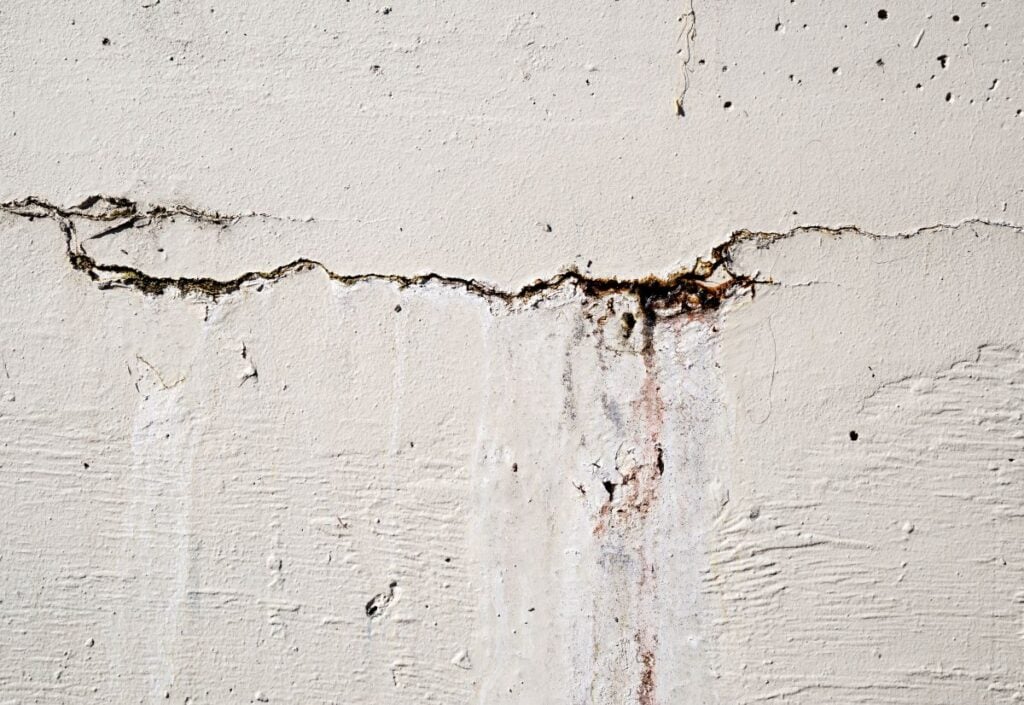
Below grade waterproofing is essential for preventing groundwater intrusion into basements and crawl spaces.
- Concrete substrate protection: Blocks moisture penetration.
- Crack bridging capability: Maintains coverage over minor foundation cracks.
- Basement dryness: Prevents dampness and structural damage.
These systems are particularly important in areas with high water tables or frequent rainfall.
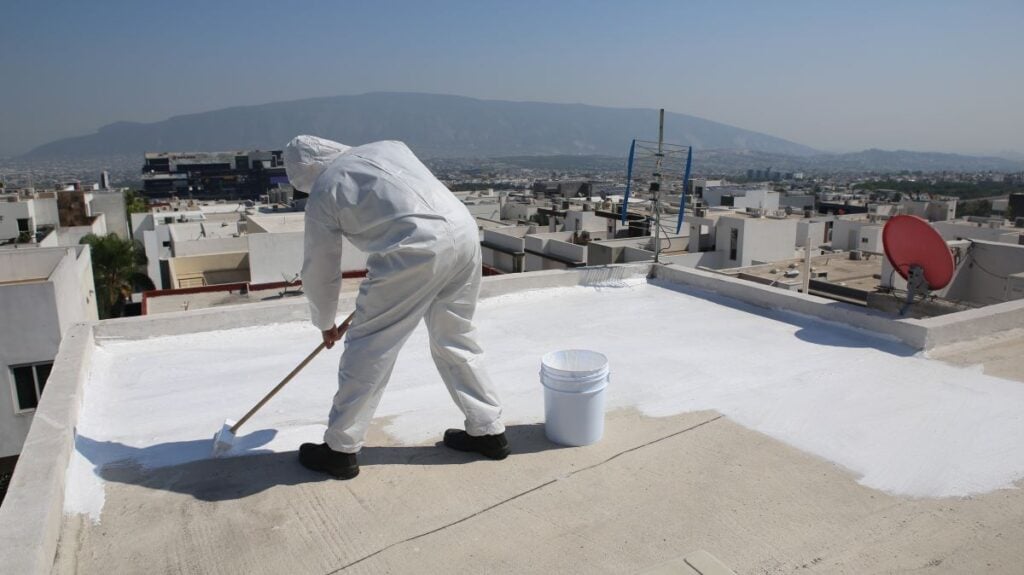
7. Ponding Water Damage On Flat Roofs
Flat roofing systems may experience standing water after rainfall, especially when subjected to heavy loads such as rooftop equipment.
- Continuous surface barrier: Prevents water absorption.
- Seam integrity: Reduces leak points.
- UV resistant coatings: Improve long term performance.
Membranes designed for flat roofs are engineered to withstand prolonged moisture exposure.
8. Wind Driven Rain Intrusion
Strong winds can force rain beneath shingles and siding, leading to hidden leaks and structural issues.
- Self adhered adhesion: Reduces wind uplift risk.
- Edge sealing: Protects perimeter areas.
- Secondary shield: Enhances storm resilience.
This protection is especially valuable in coastal communities like Richmond, BC.
9. Interior Ceiling And Wall Damage
Once water reaches drywall, visible staining and deterioration often follow.
- Leak prevention: Stops water before it enters living spaces.
- Reduced repair costs: Minimizes interior restoration needs.
- Structural safeguarding: Protects framing members.
Early installation of waterproofing membranes helps avoid costly repairs associated with interior water damage.
10. Premature Roof Replacement
Moisture related deterioration is one of the leading reasons roofs fail earlier than expected. Several factors, including poor drainage and inadequate underlayment, contribute to premature aging.
- Extended roof lifespan: Reduces deterioration from trapped moisture.
- Lower maintenance needs: Prevents recurring leak issues.
- Improved long term value: Protects the roofing investment.
By installing a water proof membrane during roof replacement, homeowners gain an additional layer of protection that enhances durability and performance.
Where Water Proof Membranes Are Most Effective
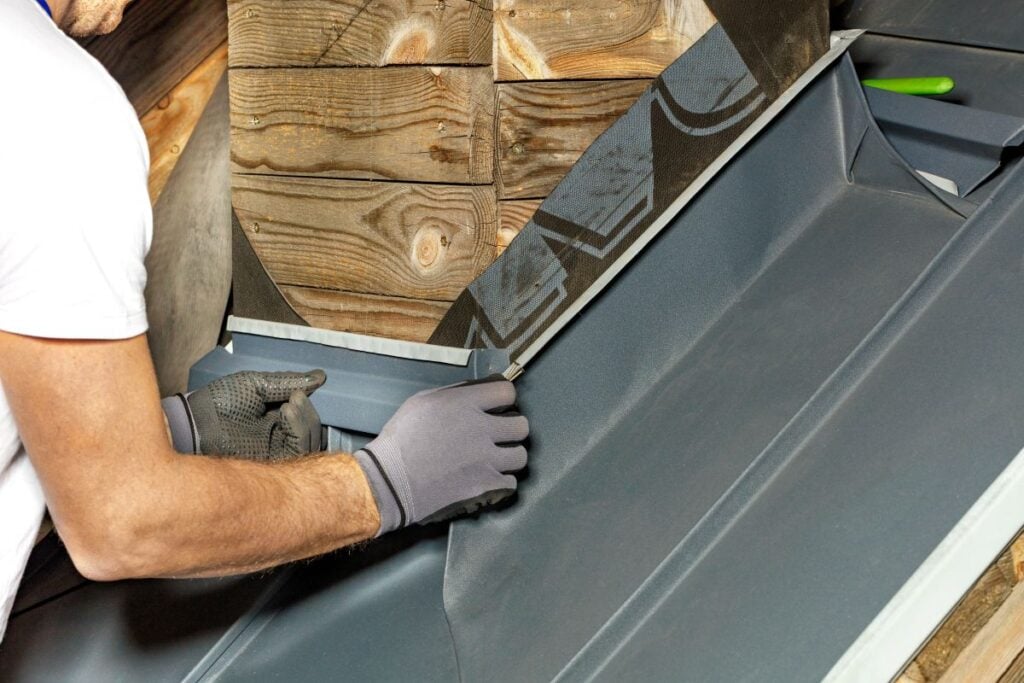
While membranes can be used across entire roof surfaces, they are especially beneficial in high risk areas where water intrusion is most likely.
| Roof Area | Why Membrane Is Important |
| Eaves | Prevents ice dam intrusion |
| Valleys | Handles concentrated water flow |
| Chimneys | Protects roof transitions |
| Skylights | Seals around penetrations |
| Flat Roof Sections | Provides primary waterproof layer |
In Richmond, BC, frequent rainfall makes these reinforcement areas particularly important for long term roof durability and performance.
Army Roofing: Reliable Waterproofing Solutions In Richmond
A water proof membrane provides critical protection against some of the most common and costly roofing problems. From preventing leaks to protecting structural components, this barrier strengthens the overall roofing system and enhances long term performance.
At Army Roofing, our experienced contractors install high quality waterproofing membranes tailored to local climate conditions. We’re proud to serve home and business owners in Richmond, BC, and nearby communities with dependable roofing and below grade waterproofing solutions.
If you are planning a roof replacement or want to upgrade your moisture protection, contact Army Roofing today to schedule a consultation and ensure your property is fully protected from water damage.
Recent Articles
The Roof Blog