




Dealing With Wind Damage to Roof? (5 Major Signs + Fixes)
Strong winds can cause significant problems for homeowners, especially when it comes to the integrity of their roofing system. Understanding how to identify and address wind damage to roof is essential for protecting your home and maintaining long-term safety. Homes in Surrey experience seasonal storms that can loosen shingles, lift flashing, and create vulnerabilities that go unnoticed until water intrusion appears. This guide explains how to recognize damage, what actions to take, and how to prevent future issues.
• Learn the most common signs of wind damage and what they indicate
• Understand how wind affects shingles, flashing, and structural components
• Follow repair steps to restore your roof safely and effectively
• Discover preventative strategies to reduce long-term wind risks
• Know when to rely on professional roofing assistance
Why Understanding Wind Damage to Roof Matters
Wind may not always seem severe, but even moderate gusts can compromise the roofing system over time. Knowing how wind affects your roof structure helps you take preventative steps and avoid more costly repairs later.
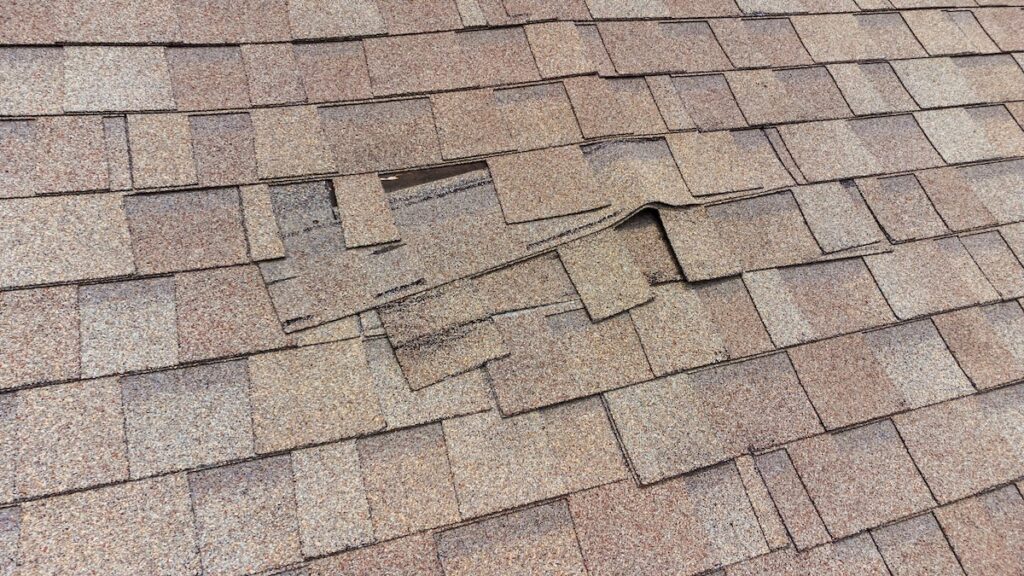
• Structural integrity: Wind uplift can loosen or detach shingles, exposing vulnerable layers beneath
• Water damage prevention: Openings in shingles or flashing allow moisture to reach decking and insulation
• Energy efficiency: Damaged areas reduce insulation performance and increase heating or cooling loss
• Home value: A well-maintained roof protects resale appeal and ensures a solid exterior condition
• Safety: Weakened roofing materials or loose debris can create hazards around your home
Major Signs of Wind Damage to Roof
Homeowners should monitor their roofs after storms, especially if gusts exceed typical seasonal patterns. Below are the most noticeable signs of wind damage and why they matter.
Missing or Torn Shingles
Shingles are most vulnerable to wind uplift. When wind lifts a shingle from the edge, it weakens the adhesive seal and may rip it off entirely. This exposes underlayment and can lead to leaks.
• Bare roof patches signal immediate vulnerability
• Displaced or curled shingles indicate weakened fasteners
• Shingles found on the ground or in gutters confirm material loss
Granule Loss on Roofing Surfaces
Wind can strip away protective granules from asphalt shingles, reducing their lifespan and weather resistance. Granule loss also accelerates UV damage.
• Granules in gutters or downspouts indicate excessive wear
• Smooth or discolored shingle patches reveal erosion
Damaged or Lifted Flashing
Flashing protects joints where water intrusion is most likely, including chimneys, valleys, skylights, and vents. Wind can bend or loosen flashing, leaving gaps.
• Raised metal edges create direct pathways for leaks
• Rust or missing fasteners weaken water protection
Impact or Debris Damage
Wind often carries branches and outdoor debris that can strike the roof surface. Even small impacts can create dents or fractures.
• Indentations on metal panels indicate blunt wind damage
• Branches or rubble on the roof surface suggest potential impact issues
Sagging or Uneven Roof Sections
Severe wind events may weaken decking or structural supports below the surface. Sagging often appears gradually and signals deeper structural concerns.
• Uneven rooflines signal potential weakness in support beams
• Water stains in the attic show compromised decking
What to Do Immediately After Wind Damage to Roof
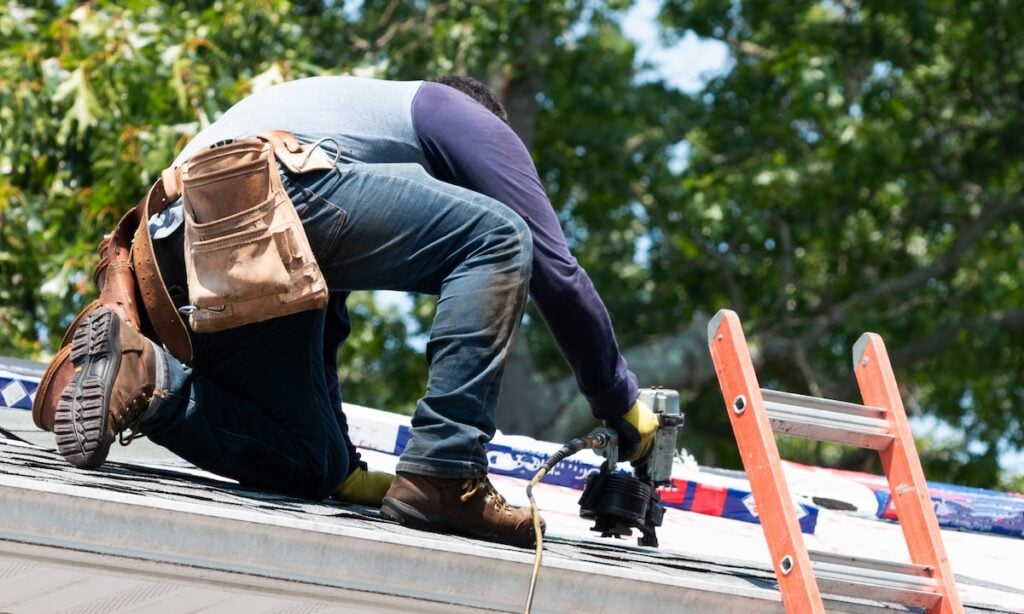
Quick action prevents additional damage once wind-related issues appear.
• Prioritize safety: Wait until weather conditions stabilize before inspecting the roof, and avoid climbing until surfaces are clear and dry
• Document damage thoroughly: Take photos and videos of visible damage to support insurance claims and contractor evaluations
• Contact professional roofing services: Homeowners in Surrey benefit from expert inspections that reveal hidden issues not visible from the ground
• Use temporary protective covers if needed: Tarps or waterproof coverings can shield exposed areas until proper repairs are completed
5 Steps to Fix Wind Damage to Roof
Once damage is identified, timely and accurate repairs help restore protection. Following these steps ensures your roof remains safe and functional.
1. Conduct a Full Roof Inspection
A thorough inspection is crucial after any major wind event. Homeowners should assess safely from the ground or rely on professionals if climbing is hazardous.
• Document all visible damage for insurance claims
• Inspect shingles, flashing, and gutters for displacement
2. Replace Damaged or Missing Shingles
Removing and replacing damaged shingles restores the protective outer layer of the roofing system.
• Lift surrounding shingles carefully to avoid further tearing
• Install new shingles securely to prevent future wind uplift
3. Repair and Secure Flashing
Flashing repairs are essential to maintaining waterproof integrity around roof penetrations.
• Refasten loose flashing using corrosion-resistant fasteners
• Replace severely bent flashing sections and reseal edges
4. Clean Roof Debris and Clear Gutters
Proper drainage prevents water from backing up beneath roofing materials.
• Remove debris from roof surfaces to avoid punctures or blockages
• Ensure gutters are aligned and securely attached
5. Address Structural or Decking Issues
If wind damage extends to the roof deck or support elements, immediate professional evaluation is required.
• Replace deteriorated decking to restore stability
• Correct sagging areas to maintain even load distribution
Long-Term Strategies to Protect Your Roof From Wind Damage
Preventative care is one of the most effective ways to minimize damage from future storms. Consistency and preparation significantly reduce risk.
Strengthen Roofing Materials and Attachments
Choosing wind-resistant materials during a roof replacement helps reinforce long-term protection.
• Rated shingles: Choose materials rated for high-wind environments
• Improved fastening: Additional nails or upgraded attachment methods enhance uplift resistance
Routine Roof Maintenance and Monitoring
Regular maintenance ensures that minor issues do not grow into structural problems.
• Seasonal inspections: Examine shingles, flashing, soffits, and gutters frequently
• Gutter maintenance: Remove buildup to support proper water drainage
Maintain Trees and Landscaping Around the Home

Wind-whipped branches are one of the leading causes of secondary roof damage.
• Trim branches extending near the roofline
• Remove weak or dead limbs before storm seasons
Prepare for Severe Weather Conditions
Homeowners should always act before storms hit to reduce potential hazards.
• Remove lightweight outdoor items that could become airborne
• Secure fences, patio structures, and accessories around the property
Army Roofing: Trusted Help for Wind Damage to Roof in Surrey
Understanding how to identify and respond to wind damage to roof helps protect your home and avoid costly long-term issues. Addressing storm damage promptly ensures your roofing system remains durable, safe, and efficient. Army Roofing proudly serves homeowners in Surrey, BC, and surrounding communities with fast, reliable inspections and repairs designed specifically for local weather conditions.
If you suspect wind damage or want a professional evaluation, contact Army Roofing today for dependable service and expert roof protection.
Recent Articles
The Roof Blog