



Roof Age Replacement: 8 Signs It’s Time for a Roof Upgrade
If you are searching for signs it’s time for roof replacement, your roof’s age is one of the most important factors to evaluate. While repairs can extend the life of a roofing system, every roof eventually reaches a stage where replacement becomes the smarter and more cost effective decision. Ignoring age related warning signs can lead to water infiltration, structural decline, and costly repairs over time.
Homeowners in Burnaby, BC frequently deal with steady rain, seasonal windstorms, and moisture exposure that accelerate wear, especially on asphalt shingle roofs. Understanding when you may need a new roof can help prevent serious water damage and protect your home from long term structural issues.
- Roof lifespan limits: Most shingle roofs last 20 to 25 years.
- Increasing repair frequency: Repeated fixes often signal deeper problems.
- Weather exposure impact: Ongoing rain and moisture speed deterioration.
- Energy efficiency decline: Older systems may lose insulation performance.
How Roof Age Affects Performance
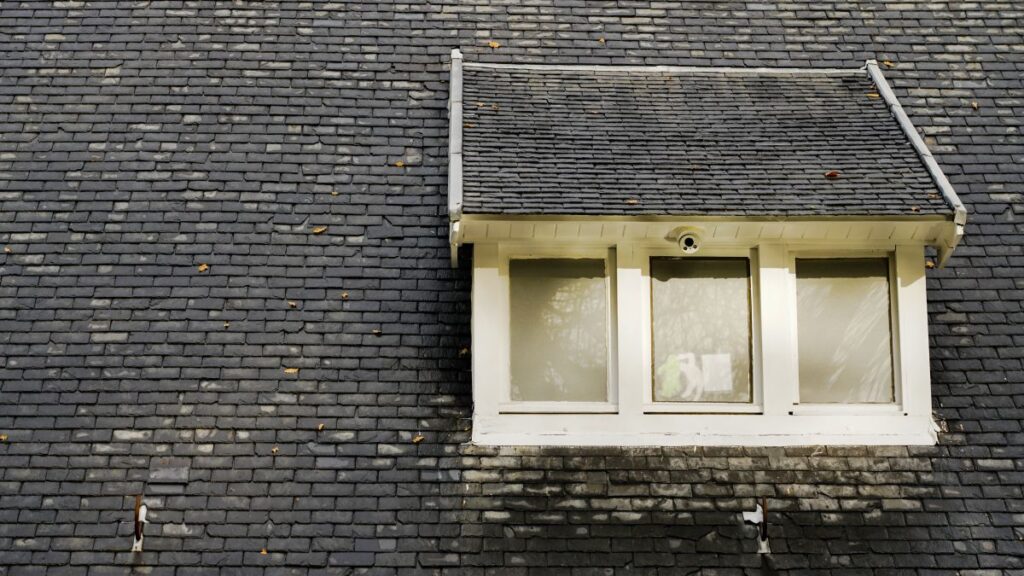
As roofing materials age, they become more brittle and less resistant to impact and moisture. Shingles may lose protective granules, adhesives weaken, and flashing can begin to separate. Over time, these gradual changes reduce the roof’s ability to shed water effectively and defend against water infiltration.
Moisture exposure also encourages algae growth and moss accumulation, particularly in damp climates like Burnaby, BC. When moss traps moisture against shingles, it can accelerate deterioration and shorten the lifespan of asphalt shingle roofs. Even if you do not immediately notice visible damage from the ground, age related wear may already be compromising performance beneath the surface.
8 Signs It’s Time for a Roof Upgrade
When evaluating roof age replacement needs, look for these common indicators. If multiple warning signs appear together, it may be time to replace your existing system rather than continue investing in temporary fixes.
1. Your Roof Is 20+ Years Old
Age alone does not guarantee immediate failure, but it significantly increases the risk of leaks and structural issues. Most asphalt shingle roofs are designed to perform well for about two decades under normal conditions. After that point, materials begin to degrade more rapidly, especially under consistent rain exposure.
- Manufacturer lifespan reached: Typical service life has expired.
- Material brittleness: Older shingles crack more easily.
- Reduced weather resistance: Increased vulnerability to moisture.
If your roof is nearing this age range, it may be time to replace it before larger problems develop.
2. Curling Or Buckling Shingles
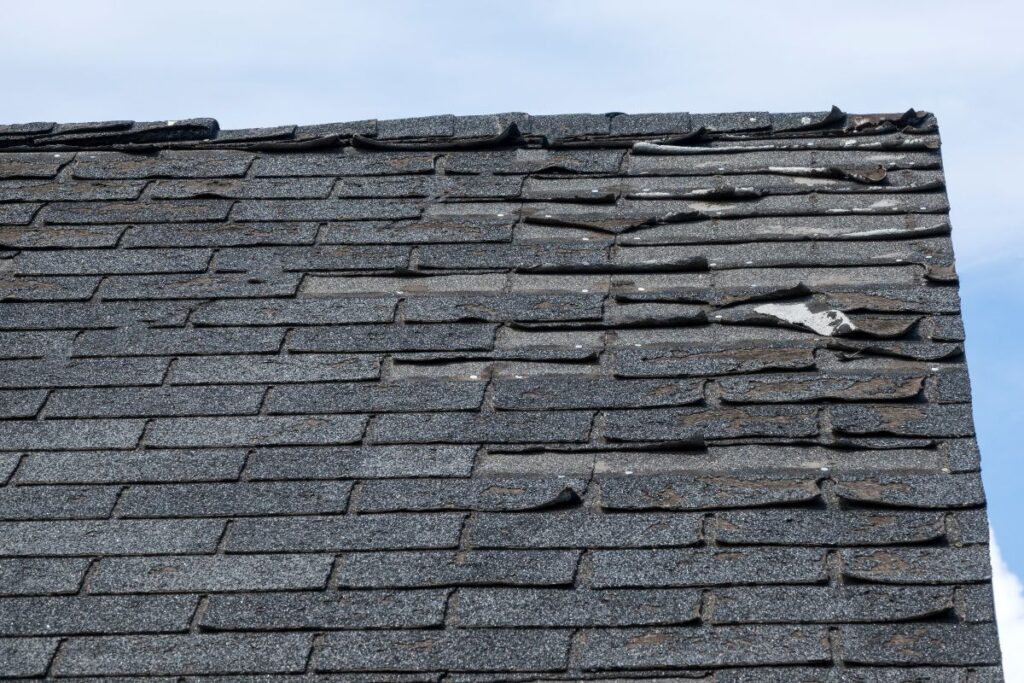
Shingles that curl at the edges or buckle in the middle often indicate trapped moisture and aging materials. Temperature changes and ongoing water exposure weaken the structural integrity of the shingle over time. This distortion can create openings that allow water infiltration beneath the surface.
- Edge curling: Sign of aging and moisture damage.
- Warped appearance: Indicates material fatigue.
- Higher wind vulnerability: Increased risk during storms.
3. Missing Or Damaged Shingles
While replacing a few shingles can solve isolated issues, widespread damage suggests systemic aging. If you frequently notice missing sections after wind events, the adhesive bonds may be failing.
- Repeated shingle loss: Indicates declining attachment strength.
- Granule shedding: Reduces UV and impact protection.
- Exposed underlayment: Higher risk of water damage.
Frequent patchwork repairs often signal that you may soon need a new roof.
4. Roof Leaks Or Water Stains
Interior water stains are among the clearest signs it’s time for roof replacement. Once moisture passes through shingles and underlayment, it can cause insulation breakdown and structural concerns.
- Ceiling discoloration: Evidence of water infiltration.
- Attic dampness: Compromised moisture barrier.
- Mold or algae growth: Result of persistent moisture exposure.
Even minor leaks can escalate quickly during heavy rain events.
5. Sagging Roof Deck
A sagging roofline is a serious structural warning sign. This condition often indicates prolonged moisture exposure or decking rot beneath the shingles. Structural concerns should always be evaluated by a roofing professional to determine the extent of the damage.
- Visible dips: Suggest weakened decking.
- Soft spots: Possible rot beneath shingles.
- Structural compromise: May require full deck replacement.
6. Excessive Moss Or Algae Growth
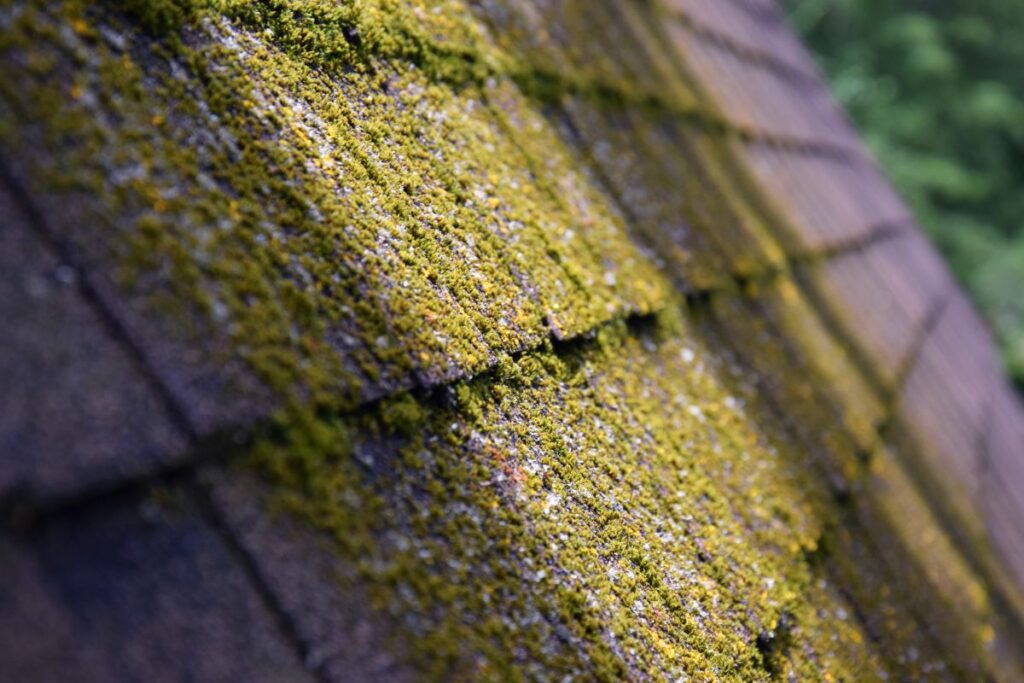
Moss and algae growth are common in damp environments. While algae may appear as dark streaks, moss grows thicker and can lift shingles away from the roof surface.
- Green or black streaks: Sign of algae growth.
- Thick moss buildup: Traps moisture against shingles.
- Accelerated wear: Shortens roof lifespan.
Unchecked moss can contribute to water infiltration and long term damage.
7. Flashing And Gutter Issues
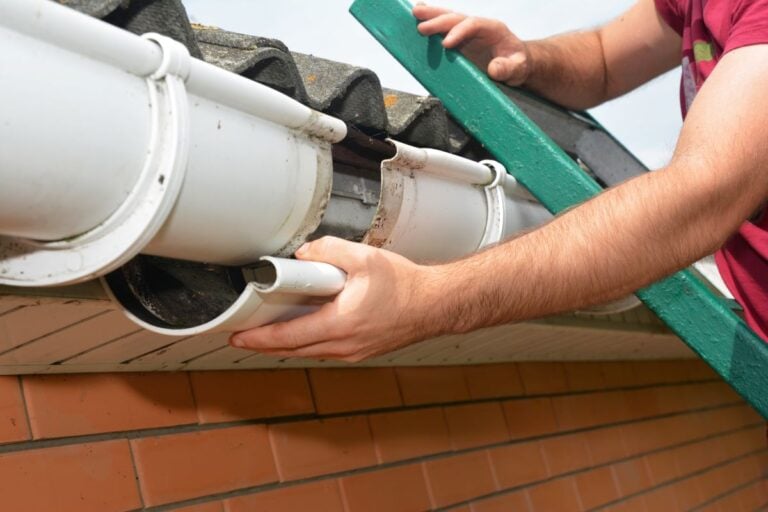
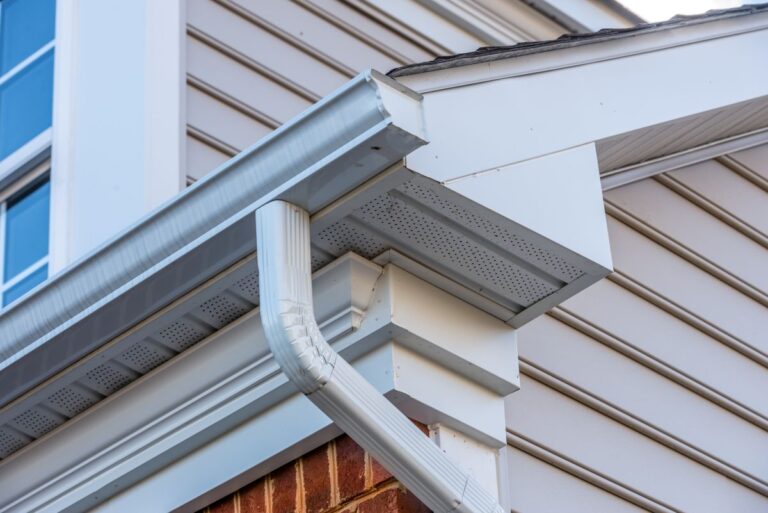
Flashing and gutters play an important role in directing water away from vulnerable areas. When flashing corrodes or gutters clog, water may back up under shingles and increase the risk of water damage.
- Rusting flashing: Weakens waterproof seals.
- Clogged gutters: Prevent proper drainage.
- Overflow during rain: Increases leak potential.
Drainage problems often indicate that the entire roofing system needs evaluation.
8. Rising Energy Bills
Older roofing systems may not provide the insulation efficiency of newer materials. Poor ventilation and aging components can force heating and cooling systems to work harder.
- Temperature fluctuations: Reduced thermal control.
- Increased HVAC strain: Higher operating costs.
- Declining insulation performance: Less energy efficiency.
Modern upgrades, including options like metal roofing, may offer improved durability and energy performance compared to older asphalt systems.
Repair Vs Replacement: How To Decide
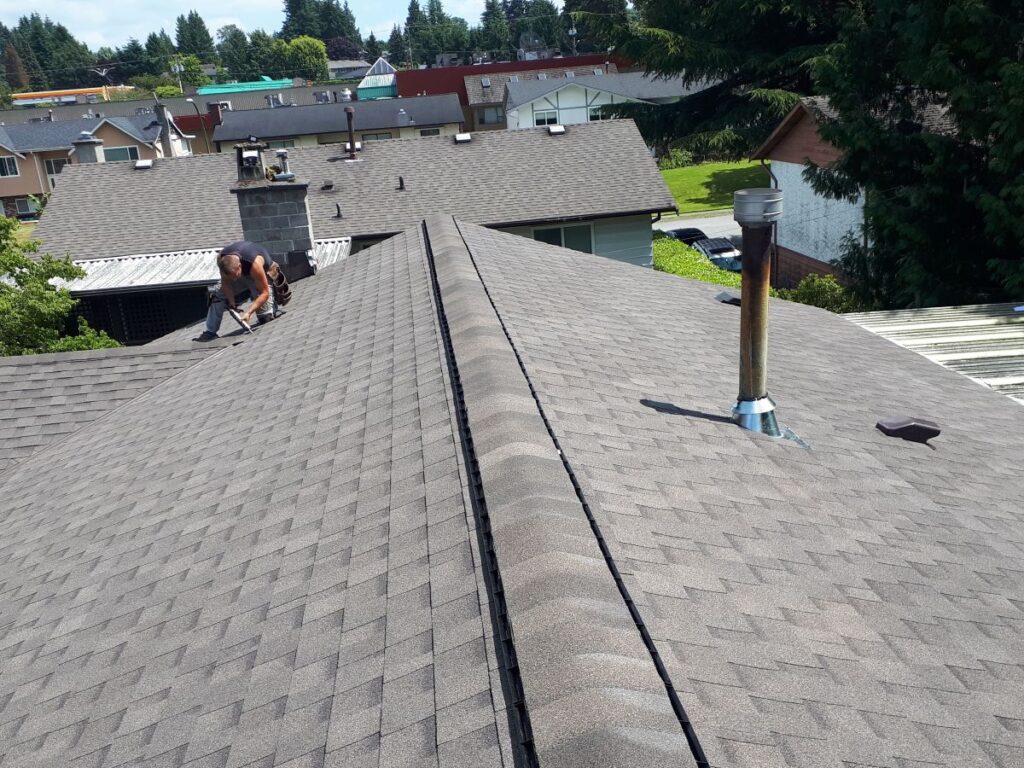
Minor damage can sometimes be repaired, but repeated issues suggest deeper aging concerns. Continuing to invest in short term repairs may ultimately lead to more costly repairs in the long run.
| Condition | Best Solution |
| Minor isolated damage | Targeted repair |
| Recurring leaks | Roof replacement |
| Widespread wear | Full upgrade |
| Structural deck damage | Replacement with deck repair |
Consulting a roofing professional can help determine whether repairs are sufficient or if it is truly time to replace your roof.
Benefits Of Replacing An Aging Roof
Choosing roof age replacement before major failure offers significant advantages. A new roof restores full waterproof protection, improves structural reliability, and enhances curb appeal. It also reduces the risk of emergency repairs during heavy rain seasons.
For homeowners in Burnaby, BC, replacing an aging roof proactively can prevent serious water damage and interior restoration expenses. Upgrading materials may also provide improved resistance to moisture, algae growth, and long term wear.
Army Roofing: Roof Replacement Experts In Burnaby
Recognizing the signs it’s time for roof replacement allows you to act before leaks and structural issues escalate. An aging roof does not always fail suddenly, but the warning signs often appear well in advance.
At Army Roofing, our experienced team provides detailed inspections and professional roof replacement services designed for local climate conditions. We’re proud to serve home and business owners in Burnaby, BC, and nearby communities with dependable roofing solutions built to last.
If you notice curling shingles, moss buildup, or recurring leaks, contact Army Roofing today to schedule a professional evaluation and determine whether it is time to replace your roof.
Recent Articles
The Roof Blog