



When To Plan Asphalt Shingle Roof Replacement: 8 Tips
Knowing when to schedule an asphalt shingle roof replacement is one of the most valuable things a homeowner can do to protect their property and avoid emergency repair costs. The challenge is that most roofs do not fail all at once. Deterioration is gradual, and by the time interior damage appears, the existing asphalt shingle roof has usually been compromised for some time. Planning ahead rather than reacting to failure saves money, stress, and structural damage. Here is what this guide covers:
- The clearest signs that replacement is approaching
- How age and material type factor into the decision
- What local climate conditions mean for your timeline
- How to plan the replacement process from start to finish
- What separates a repair situation from a full replacement
How Long Do Asphalt Shingles Actually Last?
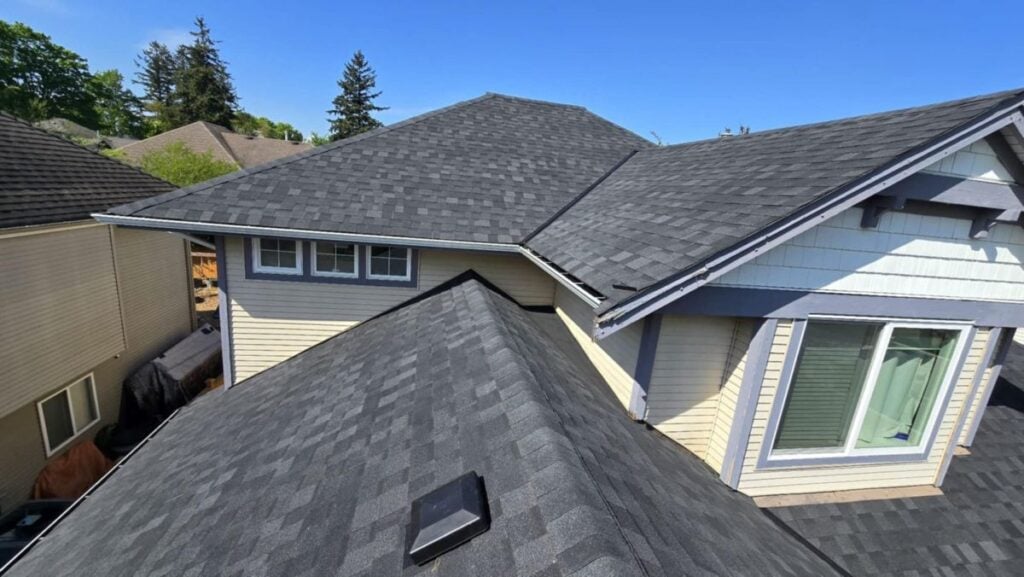
Before getting into the tips, it helps to understand the baseline lifespan you are working with.
- Climate exposure: Wet, high-moisture climates like the Lower Mainland accelerate shingle wear by keeping surfaces damp longer and encouraging moss and algae growth.
- Installation quality: Even premium roof shingles underperform when incorrectly nailed, improperly aligned, or installed over a damaged roof deck.
- Ventilation: Poor attic airflow traps heat and moisture that break down shingles from underneath, often years before surface deterioration becomes visible.
- Maintenance history: Roofs that receive regular inspections and prompt minor repairs consistently outlast those that are ignored between major problems.
In Richmond, BC, homeowners should be thinking about replacement planning closer to the 15 to 20 year mark rather than waiting for the full rated lifespan, especially if the roof has not had a professional inspection in recent years.
Three-Tab vs. Architectural Shingles
Understanding which type of shingle is on your roof changes your replacement timeline significantly. Choosing the right material also affects curb appeal, resale value, and long-term material costs, so it is worth knowing what you currently have and what your options look like for a replacement. Here is a quick comparison:
| Shingle Type | Expected Lifespan | Key Consideration |
| Three-Tab Shingles | 15 to 20 years | Thinner profile, more vulnerable to wind uplift |
| Architectural Shingles | 25 to 30 years | Layered construction, better durability and wind resistance |
| Premium / Designer Shingles | 30 to 50 years | Highest cost, longest lifespan, enhanced impact resistance |
8 Tips for Planning Your Asphalt Shingle Roof Replacement
Timing a roof replacement well requires more than waiting for an obvious leak. These eight tips help homeowners recognize the right window and move through the planning process with confidence.
1. Know Your Roof’s Age
The single most important planning factor is how old your current roofing system is. If you do not know the installation date, there are a few ways to find out before calling roofing professionals.
- Check your home inspection report: This document typically notes the approximate age and condition of the roof at the time of purchase.
- Review permit records: Local building departments keep records of permitted roofing work, which can confirm the installation year.
- Ask a roofing contractor: An experienced roofer can estimate age based on shingle style, granule loss, and visible wear patterns.
2. Watch for Granule Loss in Gutters
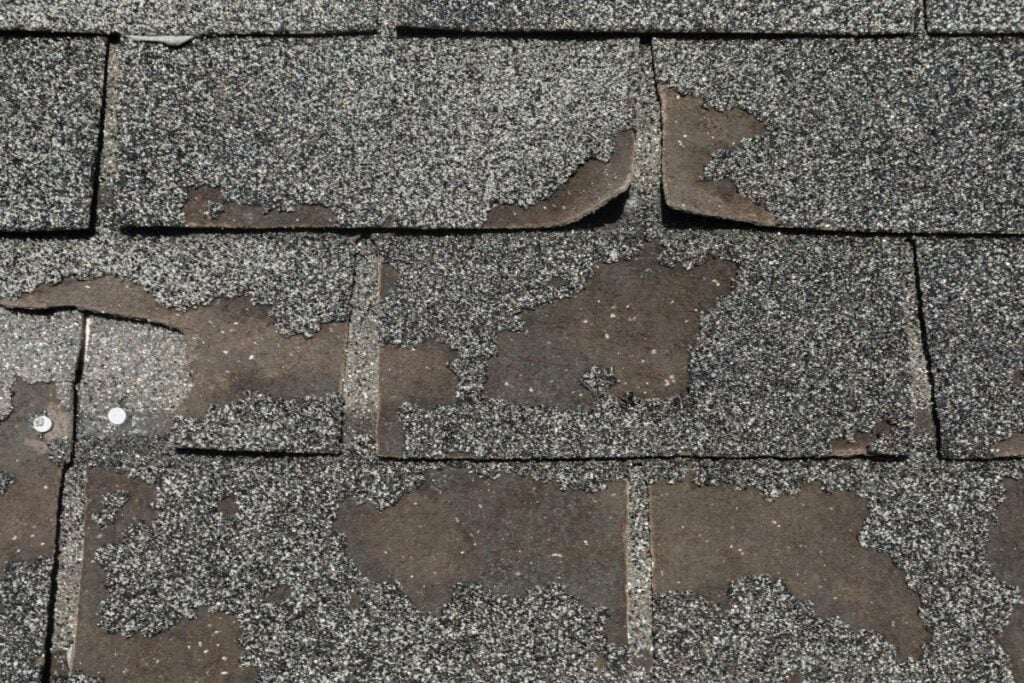
Asphalt shingles shed their protective granule coating as they age, and the gutters are usually the first place that loss becomes visible. Granules protect the asphalt layer from UV damage, so once they are gone, deterioration accelerates quickly.
- Check gutters after rainfall: Granules wash down and collect at downspout outlets during rain events.
- Look for bare patches on shingles: Dark, exposed spots on the surface indicate areas where granule coverage is gone.
- Note the volume: A small amount is normal. Heavy, consistent accumulation signals that a new roof is approaching.
3. Look for Curling or Buckling Shingles
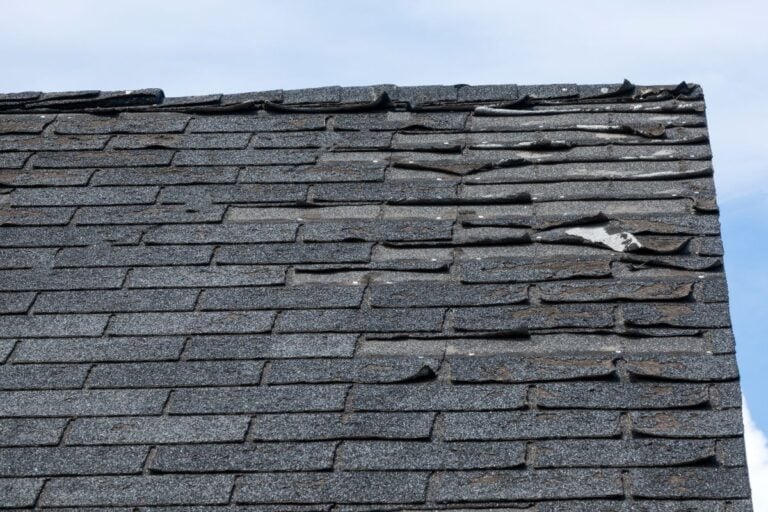
Roof shingles that cup at the edges or buckle across the surface are no longer lying flat, which means water is not shedding off the way it should. This is one of the most visible signs that replacement is near.
- Cupping: Edges turn upward, creating channels where water can pool and work under the shingle.
- Buckling: Wavy or rippled shingles often indicate movement in the roof deck below or moisture trapped under the surface.
- Widespread pattern: When curling or buckling appears across multiple sections of the roofing system, repair is rarely a long-term solution.
4. Inspect the Ridge and Valleys Closely
The ridge line and roof valleys handle the highest concentration of water and wind stress on the entire roof system. A damaged shingle in these areas often signals that the rest of the roof is not far behind.
- Cracked or missing ridge caps: These protect the peak of the roof and are typically the first to show advanced wear.
- Lifting valley shingles: Any separation from the valley flashing creates a direct path for water intrusion.
- Soft spots underfoot: If attic access allows, check for any give in the roof deck near valleys, which points to moisture damage below.
5. Check the Attic for Daylight or Moisture
The attic often reveals roof problems that are not yet visible from the exterior. A quick inspection after a rain event can tell you a lot about how well the existing asphalt shingle roof is still performing.
- Daylight through roof boards: Any visible light coming through the deck means there are gaps where water can follow.
- Moisture or staining on rafters: Dark streaks or discoloration on the framing indicate water has been infiltrating for some time.
- Damp or compressed insulation: Wet insulation in the attic floor is a sign that water has already moved past the roof deck.
6. Factor In Your Area’s Weather Patterns
Climate plays a major role in how quickly a roofing system wears down. Richmond, BC, and the surrounding Lower Mainland region sees substantial rainfall and seasonal moisture that puts continuous stress on flashing and seams. Storm damage from wind and heavy rain can also accelerate deterioration in ways that are not immediately visible from the ground.
- High rainfall areas: Plan for replacement on the earlier end of the lifespan range, as wet surfaces stay damp longer and accelerate wear.
- Moss and algae growth: Common in the Lower Mainland, organic growth holds moisture against the shingle surface and breaks down granules faster.
- Temperature swings: Freeze-thaw cycles during winter months expand and contract roofing materials, gradually loosening seams and fasteners over time.
7. Plan Around the Season
Roof replacements go most smoothly in dry, mild weather. Choosing the right time of year reduces delays, improves proper installation conditions, and gives you more contractor availability to work with.
- Best window locally: Late spring through early fall offers the most reliable dry conditions in the Lower Mainland.
- Book early: Roofing professionals fill their schedules quickly through summer. Reaching out by late winter gives you the best selection of dates and pricing.
- Avoid emergency timing: Planning ahead means you are not forced into a rushed replacement during peak season after a storm damage event.
8. Get a Professional Inspection Before Deciding
Many homeowners either replace too early out of anxiety or wait too long after visible problems appear. A professional inspection removes the guesswork and gives you a clear picture of where your roof actually stands. It is also a good opportunity to explore material options, compare shingle manufacturer warranties, and understand whether upgrading to a metal roof or premium shingle system makes sense for your home and budget.
- Repair vs. replacement assessment: Roofing professionals can tell you whether the roof has useful life remaining or has reached the point where a new roof is the more cost-effective path.
- Hidden damage identification: Professionals use moisture meters and close-up evaluations to find roof deck and flashing damage that is not visible from the ground.
- Written estimate: A detailed quote breaks down material costs, labor, and disposal separately so you can plan your budget accurately.
Repair vs. Replacement: How to Tell the Difference
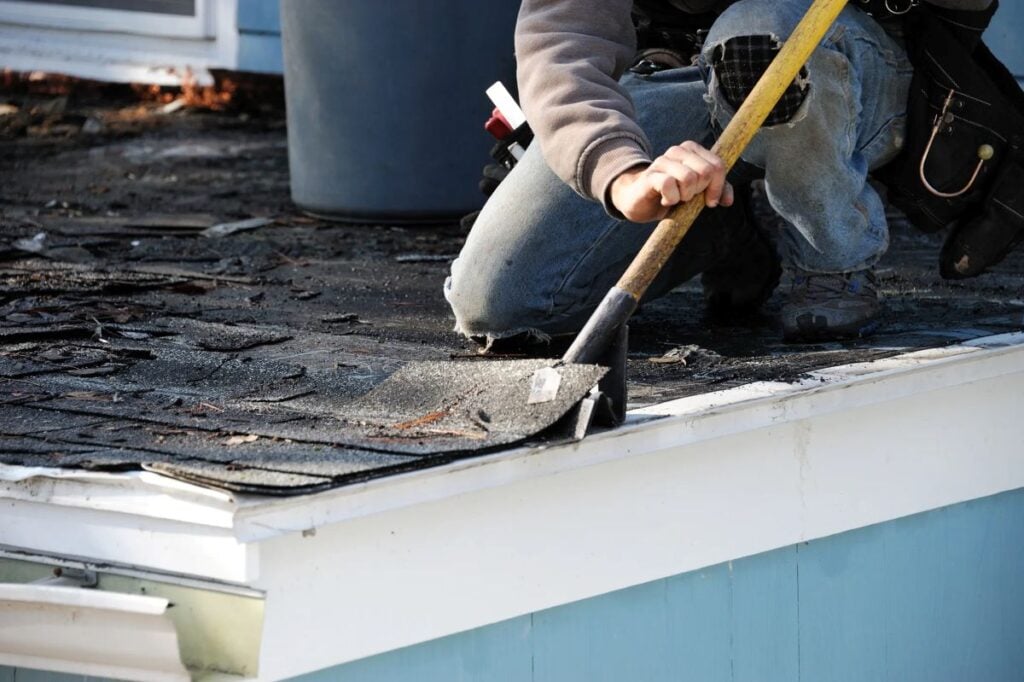
Not every aging roof needs to be replaced immediately, but knowing when repair is no longer the right answer saves significant money in the long run.
When Repair Makes Sense
In some cases, a targeted repair on the existing asphalt shingle roof is the smarter and more cost-effective call. Here is when repair is typically the right choice:
- Damage is isolated: A single damaged shingle or small problem area with no underlying roof deck damage is a strong repair candidate.
- The roof is younger: If the roofing system is less than halfway through its expected lifespan, targeted repairs are usually worth it.
- No recurring issues: If the same area has not needed repeated attention, a one-time repair is likely to hold.
When Replacement Is the Stronger Option
There comes a point where continued repairs stop making financial sense. According to the 2024 Remodeling Cost vs. Value Report, homeowners who replace their asphalt shingle roof recoup approximately 61% of the project cost at resale, making it one of the stronger-returning home improvement investments available. These are the clearest signals that a full new roof is the better path forward:
- Damage is widespread: Storm damage or wear spread across multiple sections rarely justifies the material costs of patching each area individually.
- End of lifespan is near: A roof within five years of its expected end of life is better replaced than repeatedly repaired.
- Repairs keep coming back: Recurring fixes that do not resolve the underlying issue are a sign the roofing system has run its course.
Army Roofing Makes Replacement Planning Simple
At Army Roofing, we help homeowners understand exactly where their roof stands and what the smartest next step looks like. Whether you need a straightforward inspection, an honest repair vs. replacement assessment, or a full asphalt shingle roof replacement with proper installation from start to finish, our team is ready to help. We’re proud to serve home and business owners in Richmond, BC, and nearby communities with reliable roofing services and more. Contact Army Roofing today for a free inspection and take the guesswork out of planning your next roof.
Recent Articles
The Roof Blog