



Most Durable Roofing Material For Storm Areas: 6 Options
Choosing the most durable roofing material for a storm-prone area is one of the most important decisions a homeowner can make for long-term protection. Not all roofing systems are built the same, and in regions that see heavy rainfall, high winds, hail, or a combination of all three, the difference between a well-matched material and the wrong one becomes apparent the moment a major storm rolls through. The goal is not just to find a material that survives one storm but one that holds up reliably for decades. Here is what this guide covers:
- The six most storm-resistant roofing materials available
- How each option performs against wind, hail, and heavy rain
- Lifespan and cost comparisons to help frame the decision
- What makes certain materials better suited to specific climates
- How to choose the right option for your home
What Makes a Roofing Material Storm-Resistant?
Before comparing specific materials, it helps to understand the characteristics that determine storm performance. Not every material excels in every category, and matching the right profile to your local hazards is essential. The three core performance factors to evaluate are wind resistance, impact resistance, and water management. A material can be excellent in one category while being average in another, which is why climate-specific selection matters more than simply choosing the most expensive option.
According to the Insurance Institute for Business and Home Safety, asphalt shingles represent approximately 80% of installed residential roofs in the United States — making them the most common roofing material on the market — yet they are also among the most frequently damaged materials during hail and high-wind events. That gap between market share and storm performance is exactly why understanding the full range of material options is so valuable for homeowners in storm areas.
Key Performance Factors to Compare
| Performance Factor | What It Measures |
| Wind Resistance | Ability to stay fastened under sustained and gusting wind speeds |
| Impact Resistance | Ability to withstand hail, debris, and falling objects without cracking or fracturing |
| Water Management | How effectively the material sheds rain and resists moisture infiltration |
| Lifespan | Expected years of reliable performance under normal and storm conditions |
| Weight | Structural load placed on the roof framing — heavier materials require reinforcement |
6 Most Durable Roofing Materials for Storm Areas
Each of the following materials brings distinct strengths to storm performance. The right choice depends on your budget, your home’s structural capacity, and the specific weather hazards most common in your area. Proper installation is equally as important as material selection — even the best roofing product will underperform if it is not installed correctly.
1. Standing Seam Metal Roofing
Standing seam metal roofing is widely regarded as one of the strongest storm-resistant options available. Panels interlock and fasteners are fully concealed, allowing the system to withstand wind speeds of 140 mph or more while resisting hail penetration effectively. As an energy efficient option, the smooth reflective surface also reduces heat absorption and sheds water and debris quickly during heavy storms.
- Wind resistance: Among the highest of any residential material, with most systems rated for winds well above standard building code minimums.
- Impact resistance: Metal panels are tested to the UL 2218 standard, with Class 4 being the highest rating for hail resistance.
- Lifespan: 40 to 70 years depending on gauge and finish, with minimal maintenance required compared to most other systems.
- Best for: Homes in high-wind and high-rainfall areas like New Westminster, BC, where sustained storms are common and the roof’s lifespan is a top priority.
2. Natural Slate Roofing
Natural slate offers exceptional durability and is one of the oldest storm-resistant materials available. Its density provides strong resistance to wind uplift and hail impact, and its non-porous surface prevents moisture absorption that leads to freeze-thaw deterioration. Properly installed slate roofs have been known to last well over a century with minimal maintenance.
- Wind resistance: Excellent due to the weight and interlocking installation method.
- Impact resistance: High density resists cracking under hail impact, though large hailstones can chip thinner slabs.
- Lifespan: 80 to 150 years or more, the longest of any roofing material.
- Consideration: Slate is extremely heavy and requires structural reinforcement in most homes. Proper installation by a specialist is essential to achieve its full lifespan.
3. Concrete and Clay Tile
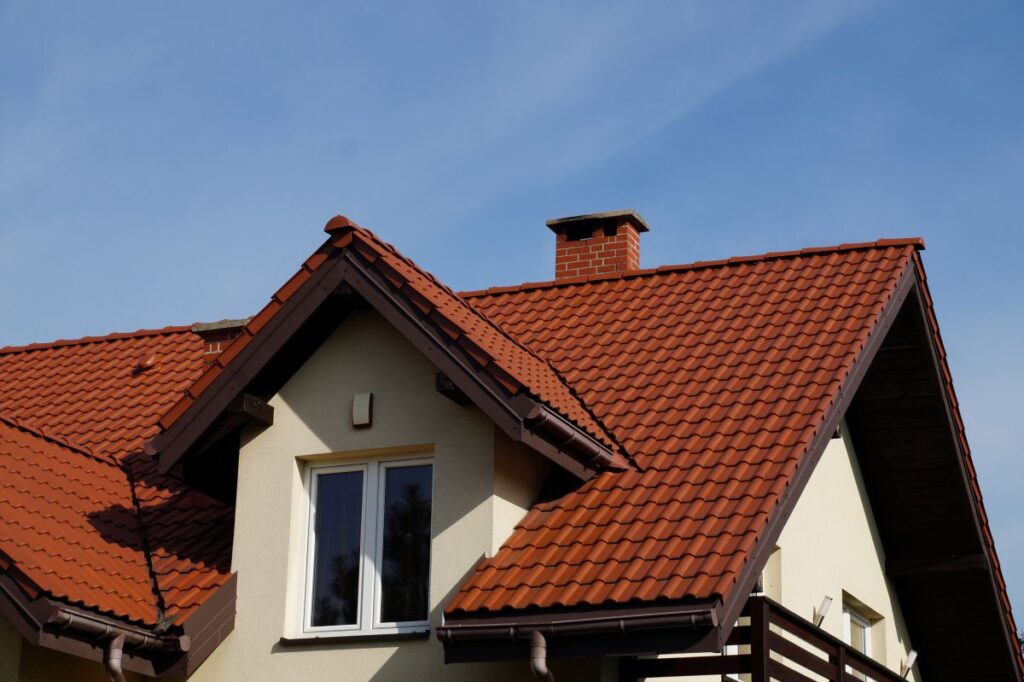
Concrete and clay tile roofs are built for exceptional durability in harsh climates. Their mass provides natural wind resistance, and their fired or cured composition makes them resistant to moisture infiltration, mold, and rot. In storm areas that also experience heat, tile roofing is energy efficient and reduces cooling loads on the building.
- Wind resistance: Strong when properly fastened with hurricane clips or foam adhesive.
- Impact resistance: Moderate to good depending on tile profile and thickness, with thicker profiles handling impact better.
- Lifespan: 50 years or more for concrete tile, up to 100 or more years for clay tile.
- Consideration: Like slate, tile requires structural reinforcement due to its weight and carries a higher upfront cost than asphalt or wood roofing alternatives.
4. Impact-Resistant Asphalt Shingles
Standard three-tab asphalt shingles are not the best choice for serious storm areas, but Class 4 impact-resistant architectural shingles are a different story. These products are engineered with polymer-modified asphalt and reinforced fiberglass mats to absorb hail and wind stress. They remain the most common roofing material upgrade option for homeowners replacing an aging roof at a more accessible price point.
- Wind resistance: Rated for winds up to 130 mph in most cases, significantly higher than standard three-tab products.
- Impact resistance: Class 4 rated shingles meet the UL 2218 standard for hailstones up to two inches in diameter.
- Lifespan: 25 to 30 years, shorter than metal, slate, or tile but manageable with proper installation and regular upkeep.
- Best for: Homeowners who need strong storm performance without the structural demands or cost of premium materials.
5. Synthetic and Composite Shingles
Synthetic roofing materials, including polymer and rubber composite shingles, are engineered to mimic the appearance of natural slate or wood roofing while offering superior impact resistance. They are significantly lighter than the natural materials they replicate, require no structural reinforcement, and carry Class 4 impact ratings from most manufacturers. Their flexibility also makes them resistant to cracking in freeze-thaw conditions.
- Wind resistance: Most synthetic products are rated for winds up to 110 to 130 mph.
- Impact resistance: High, with most products rated Class 4 and engineered specifically to absorb hail impact without fracturing.
- Lifespan: 40 to 50 years depending on manufacturer and product line, with minimal maintenance requirements over that span.
- Best for: Homeowners who want the aesthetic of natural slate or wood roofing with better storm performance and without the structural demands of the real material.
6. Metal Shingles and Stone-Coated Steel
Metal shingles and stone-coated steel panels bridge the gap between the clean performance of standing seam metal roofing and the traditional appearance of asphalt or tile. Stone-coated steel panels carry a granular surface coating that provides additional UV resistance and noise reduction while maintaining the structural benefits of a metal substrate. Both options carry Class 4 impact ratings and perform well in high-wind and high-rainfall environments.
- Wind resistance: Rated for winds of 120 mph or higher in most systems, with concealed fastener options performing even higher.
- Impact resistance: Class 4 rated across most product lines, combining the strength of steel with surface texture that absorbs impact.
- Lifespan: 40 to 70 years, comparable to other metal systems, making them an energy efficient and long-lasting investment.
- Best for: Homeowners who want strong storm performance with a more traditional roof appearance than standing seam metal roofing provides.
Comparing the 6 Options Side by Side
| Material | Lifespan | Wind Rating | Impact Class | Relative Cost |
| Standing Seam Metal | 40 to 70 years | 140+ mph | Class 4 | High |
| Natural Slate | 80 to 150+ years | Excellent | High | Very High |
| Concrete / Clay Tile | 50 to 100+ years | Strong | Moderate to High | High |
| Impact-Resistant Asphalt | 25 to 30 years | Up to 130 mph | Class 4 | Moderate |
| Synthetic / Composite | 40 to 50 years | Up to 130 mph | Class 4 | Moderate to High |
| Metal Shingles / Stone-Coated Steel | 40 to 70 years | 120+ mph | Class 4 | High |
Maintenance Requirements by Material
Storm-resistant materials still require upkeep to perform at their best. How much effort each system demands varies significantly, and factoring in long-term maintenance requirements is just as important as evaluating upfront cost and storm ratings.
- Standing seam metal roofing: Requires minimal maintenance. Annual inspections to check sealant at penetrations and confirm panel seams are secure is generally all that is needed. The roof’s lifespan is rarely compromised by maintenance neglect alone, but catching small issues early prevents costly repairs.
- Natural slate: Requires periodic inspection for cracked or slipped individual slates, particularly after storm events. Proper installation with correct flashing is critical, as the slates themselves outlast most flashings and underlayments.
- Concrete and clay tile: Debris accumulation in valleys and around penetrations should be cleared regularly. Individual cracked tiles should be replaced promptly to prevent water from reaching the underlayment below.
- Impact-resistant asphalt shingles: As the most common roofing material, maintenance guidance is well-established. Biannual inspections, gutter cleaning, and moss treatment in wet climates are the primary tasks. The roof’s lifespan depends heavily on how consistently these steps are performed.
- Synthetic and composite shingles: Low maintenance overall. Occasional inspection for lifted or cracked panels and gutter clearing are the primary requirements. Most manufacturers recommend professional inspection every few years to confirm the system remains watertight.
- Metal shingles and stone-coated steel: Similar to standing seam metal, these systems require minimal maintenance but benefit from annual inspections around flashing and penetrations, especially after hail events that may have dented surface granules.
Army Roofing Helps You Choose the Right Material
At Army Roofing, we help homeowners evaluate their options based on actual local conditions, not just what is most popular or most affordable. The right roofing material for storm areas depends on your specific risks, your home’s structure, and your long-term goals. We’re proud to serve home and business owners in New Westminster, BC, and nearby communities with storm-resistant roofing installations, material consultations, and more. Contact Army Roofing today for a free inspection and find out which material gives your home the protection it needs.
Recent Articles
The Roof Blog