



When Flat Roof Coating Options Make Sense: 6 Signs
Understanding your flat roof coating options is one of the smartest moves a property owner can make before committing to a costly full roof replacement. Coatings are not always the right answer, but when the conditions are right, they can extend roof life by years, reduce energy costs, and stop minor deterioration from becoming a major structural problem. The key is knowing how to read your roof and recognizing the signs that point toward coating as the ideal next step. Here is what this guide covers:
- The most common flat roof coating types and how they compare
- Six signs that coating makes more sense than replacement
- What the application process looks like
- How coatings affect energy efficiency
- When coating is not the right call
What Are Flat Roof Coatings?
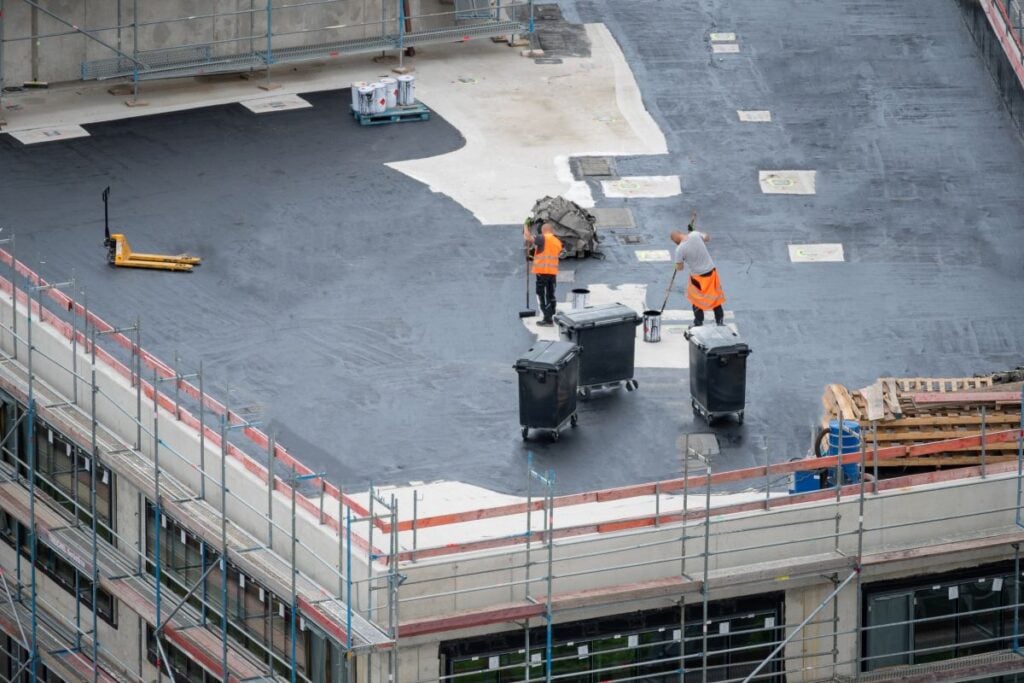
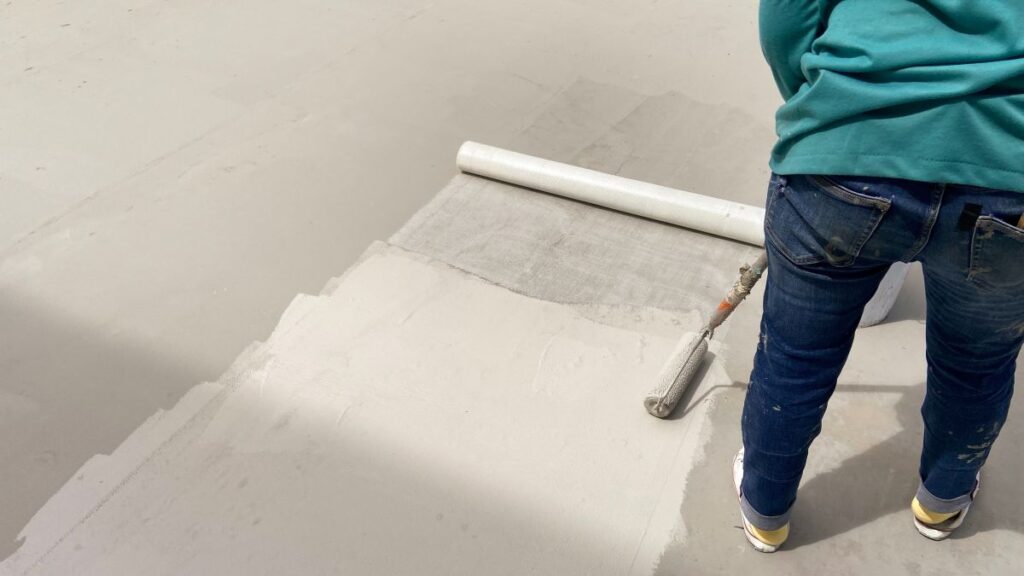
Flat roof coatings are thick, fluid-applied materials that bond directly to an existing roof surface to form a protective, seamless layer. They are not the same as paint or sealant. A properly applied coating creates a continuous waterproof membrane that reflects UV rays, resists standing water, and protects the underlying substrate from ongoing weathering. Coatings are most commonly applied to existing flat roof systems, including TPO, modified bitumen, built-up roofing, and metal surfaces, and are widely used on commercial flat roofs where minimizing downtime and capital costs is a priority.
The best flat roof coating for any given project depends on the existing roof material, the local climate, and the specific performance goals of the building owner. In Vancouver, BC, and the surrounding Lower Mainland, high annual rainfall and limited dry-season windows make coating selection and timing especially important for long-term performance.
Common Flat Roof Coating Types
Each coating material has distinct performance characteristics, and matching the right product to the right roof is essential. Here is a comparison of the most widely used options:
| Coating Type | Lifespan | Best For |
| Acrylic | 10 to 15 years | UV rays resistance, budget-conscious projects |
| Silicone | 15 to 20 years | Standing water resistance, high-moisture climates |
| Polyurethane | 10 to 15 years | High foot traffic areas, impact resistance |
| Polyurethane Foam | 20 to 30 years | Seamless insulation, superior energy efficiency |
| Elastomeric | 10 to 20 years | Flexibility, temperature fluctuation climates |
| Asphalt / Bitumen | 5 to 10 years | Budget repairs, compatible with built-up roofs |
6 Signs Flat Roof Coating Makes Sense
Not every flat roof problem calls for a full tear-off and replacement. Recognizing when coating is the right intervention can save significant time and money. Here are six signs that your roof is a strong candidate.
1. The Roof Is Structurally Sound but Showing Surface Wear
Coating works best when the underlying roof assembly is still intact. If the membrane or substrate is not compromised but the surface is showing UV degradation, minor cracking, or loss of reflectivity, a coating can restore protection and extend roof life without the cost or disruption of a full replacement.
- No soft spots or deck rot: If the decking underneath is solid and dry, the roof has the structural integrity to support a new coating layer.
- Surface-level cracking only: Fine surface cracks that have not yet allowed moisture into the assembly are ideal candidates for coating repair.
- Faded or chalky appearance: Loss of surface sheen and color on a TPO or modified bitumen roof often signals UV rays breakdown that a reflective coating can address.
2. You Are Dealing With Minor Leaks in Isolated Areas
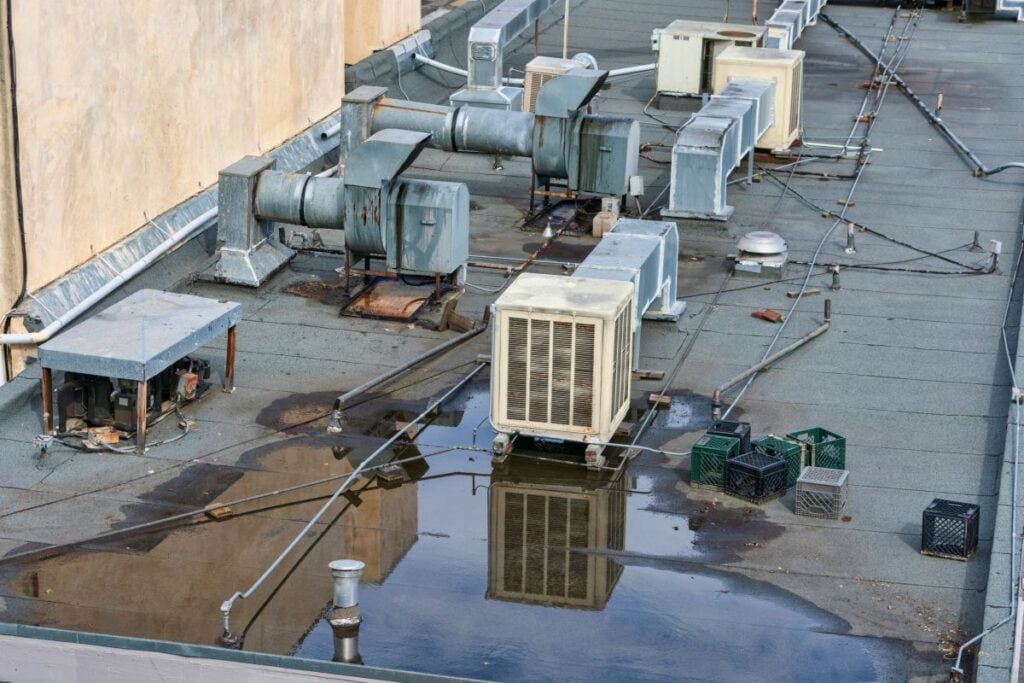
A coating system can seal minor leak points across a flat roof surface, particularly around seams, flashings, and penetrations that have begun to separate. If leaks are limited in number and location, a full coating application can address them as part of a broader restoration rather than requiring targeted patch repairs or membrane replacement.
- Seam lifting: Early seam separation that has not yet allowed bulk water infiltration is addressable with a compatible coating applied with reinforcing fabric at the seam.
- Flashing edge gaps: Minor gaps between flashing and the membrane surface can be bridged during the coating process.
- Post-storm surface damage: Superficial damage from wind-blown debris that has not penetrated the membrane may be restorable with coating rather than membrane replacement.
3. Your Energy Bills Have Been Climbing
Reflective roof coatings significantly reduce the heat absorbed by a flat roof, which directly improves energy efficiency and lowers cooling loads in the building below. According to the U.S. EPA, cool roof coatings can reduce peak cooling demand in air-conditioned buildings by 11 to 27%, making them one of the more cost-effective energy upgrades available for commercial flat roofs.
- Dark membrane surfaces: Original black or dark-colored membranes absorb significantly more heat than coatings that are highly resistant to UV rays. A white or light-colored coating applied over a dark membrane can dramatically reduce heat transfer into the building.
- High summer cooling costs: If energy bills spike significantly during warmer months, an aging dark roof surface is often a contributing factor that coating can address.
- Older built-up roofing: Traditional gravel-surfaced built-up roofs have low reflectivity and respond well to reflective coating applications that improve energy efficiency.
4. The Roof Is Approaching Mid-Life, Not End of Life
Coating makes the most financial sense when a roof still has useful life remaining. Applying the best flat roof coating to a mid-life roof, typically one that is 8 to 15 years into a 20 to 25 year expected lifespan, can extend roof life by 10 or more years and delay the larger capital expense of full replacement.
- Known installation date: If the roof was installed within the last 10 to 15 years and has been maintained, it is likely a strong coating candidate.
- No prior coating failures: A roof that has not had a poorly applied coating peeling or delaminating is easier to prepare and more likely to bond correctly with a new system.
- Recent professional inspection: A contractor who has assessed the roof and confirmed the membrane and decking are in acceptable condition gives a much clearer picture of whether coating is viable.
5. You Want to Avoid the Disruption of a Full Replacement
Flat roof replacements on occupied commercial flat roofs or residential buildings involve significant noise, debris, and disruption over multiple days or weeks. A coating application is far less invasive. In Vancouver, BC, and nearby communities, where weather windows for dry roofing work are limited, coating offers a faster path to a protected roof with less exposure time during the application process.
- Occupied buildings: Coating requires no tear-off of existing material, which eliminates the noise and mess that comes with membrane removal.
- Limited weather windows: Coatings can often be applied in a single dry day per section, making scheduling more manageable in wet climates.
- Budget constraints: Even when full replacement is eventually the right long-term answer, coating can extend the roof’s service life by several years while a replacement budget is assembled.
6. The Existing Membrane Is Compatible With Coating Systems
Not every roof material accepts every coating type. Compatibility between the existing membrane and the chosen coating is one of the most important factors in long-term performance. A professional inspection identifies what is currently on the roof and confirms which coating systems will bond correctly and remain highly resistant to the local climate conditions.
- TPO and PVC membranes: These surfaces require specific primers and compatible formulations to bond correctly with silicone or acrylic coatings.
- Modified bitumen: Asphalt-compatible and elastomeric coatings perform well over modified bitumen when the surface is clean and properly prepared.
- Metal roofing: Metal flat roofs are excellent candidates for acrylic or silicone coatings and respond well to reflective applications that reduce thermal movement. Polyurethane foam is also worth considering for metal roofs that need both insulation and waterproofing in a single application.
When Coating Is Not the Right Call
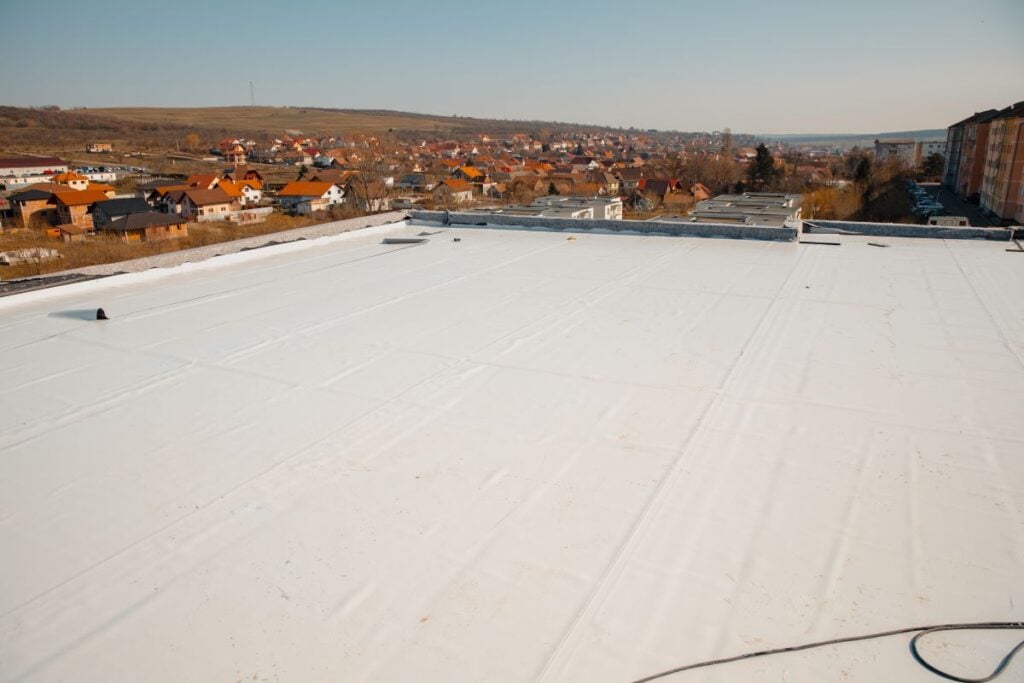
Coating is not a solution for every flat roof situation. There are clear circumstances where replacement is the more honest recommendation, and a qualified contractor should say so upfront.
- Saturated insulation: If moisture has infiltrated the insulation layer below the membrane, coating the surface does not address the trapped water and can accelerate deterioration underneath.
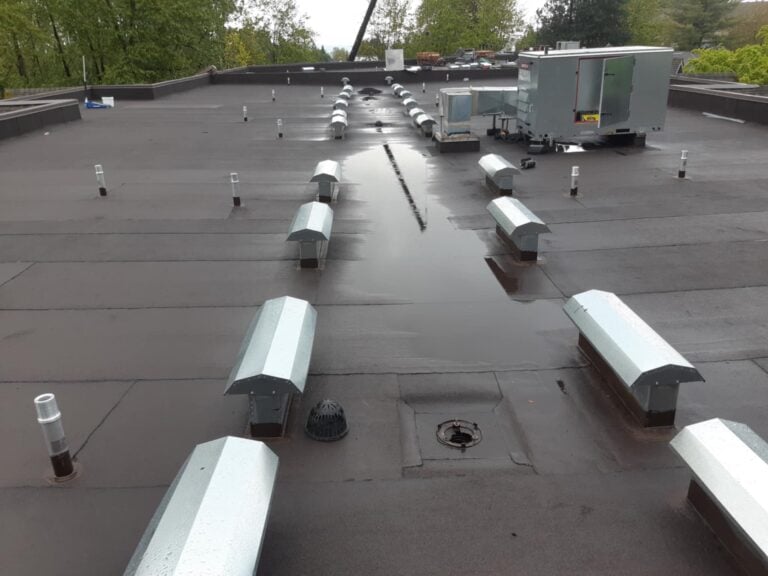
- Widespread standing water issues: Persistent standing water across large sections of the roof points to a drainage or structural problem that coating alone cannot resolve.
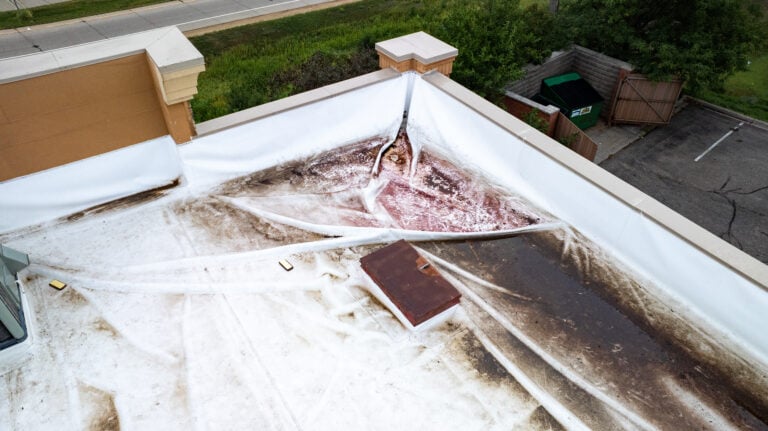
- Widespread membrane failure: A membrane with large areas of delamination, significant blistering, or structural separation is past the point where surface treatment will meaningfully extend roof life.
- End-of-life roofing systems: A roof at or beyond its expected lifespan is rarely a good coating candidate. The investment is better directed toward full replacement rather than extending a failing system.
We’re proud to serve home and business owners in Vancouver, BC, and nearby communities with flat roof coating assessments, application services, and more.
Army Roofing Helps You Make the Right Call
At Army Roofing, we do not recommend coating just because it is less expensive than replacement. We assess the actual condition of your roof and give you a clear, honest answer about which path best protects your investment and energy efficiency long term. If your flat roof is showing any of the signs covered in this guide, reach out to Army Roofing today for a professional inspection and find out whether a coating system is the right next step for your property.
Recent Articles
The Roof Blog