



Dark Spots On Ceiling: What To Do First (5 Actions)
Dark spots on ceiling surfaces are one of those problems homeowners tend to put off investigating, but they almost always mean something is actively wrong above your head. Whether the stain appeared after a heavy rainstorm, crept in gradually over a few weeks, or showed up alongside a musty smell in the room, the underlying cause needs to be identified before any surface fix will hold. Understanding what to do in the right order is what separates a quick resolution from one that leads to structural damage, mold, and a much bigger repair bill. If your first instinct is to find out whether your roof is the culprit, Army Roofing’s roof leak repair guide is a practical place to start. Here is what this blog covers:
- What dark spots on a ceiling actually mean
- The 5 actions to take, in the right order
- Common causes by spot appearance
- A comparison of ceiling stain types
- Frequently asked questions homeowners ask about ceiling stains
What a Dark Spot Is Actually Telling You
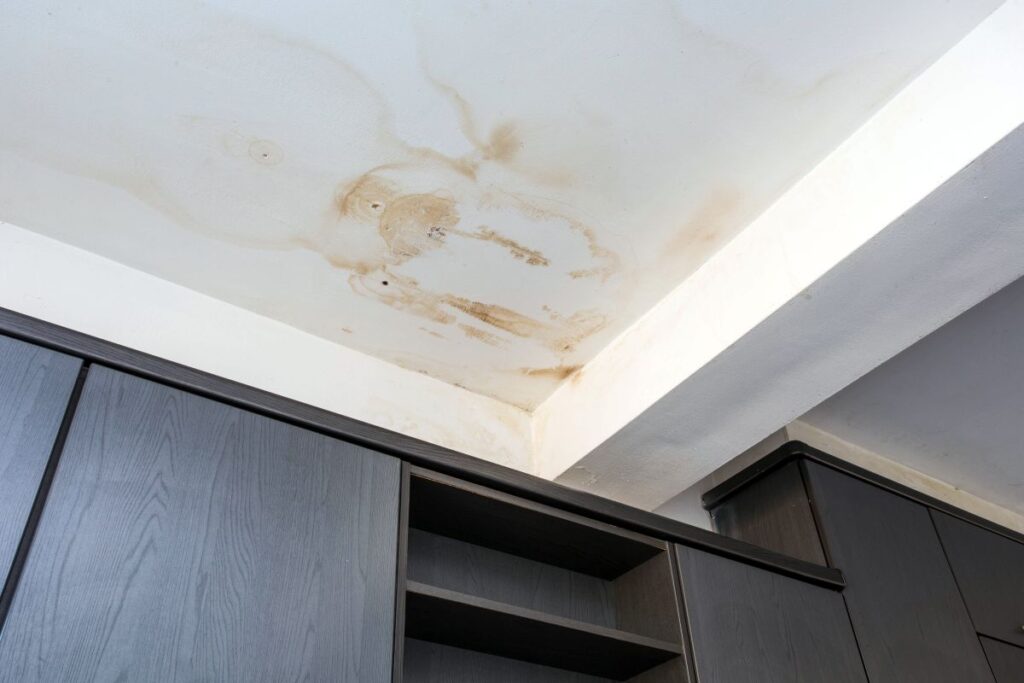
A dark spot on the ceiling is not a cosmetic issue — it is a symptom. The discoloration itself is caused by moisture that has saturated the drywall or ceiling materials, and it is almost always evidence of an ongoing or past water intrusion rather than a one-time event. In BC’s Lower Mainland, where Langley and surrounding communities see consistent rainfall through fall and winter, roof leaks are the most common culprit. But condensation, plumbing failures, and ice dam damage are also possibilities depending on where in the home the stain appears.
Acting quickly matters more than most homeowners realize. It is important to dry water-damaged areas and items within 24 to 48 hours to prevent mold growth, according to the US EPA, which means a stain that has been sitting for days may already have hidden mold developing behind it, even if none is visible yet. Mold spores released into living spaces can affect indoor air quality and cause serious health issues, particularly for children, elderly residents, and anyone with respiratory conditions.
5 Actions to Take When You Notice Dark Spots on Your Ceiling
The order in which you address a ceiling stain makes a real difference in the outcome. Here are five actions to take, starting from the moment you notice the problem.
1. Protect the Area Beneath the Stain
Before you investigate anything, address the immediate risk to your home’s contents. If the ceiling is actively wet or sagging, place buckets or towels beneath it and move furniture, electronics, and valuables out of the zone. A waterlogged ceiling can give way without much warning, and the water damage to belongings can be just as costly as the repair itself.
- If the ceiling is bulging: Carefully poke a small hole in the lowest point to release pooled water in a controlled way rather than letting it burst unpredictably.
- If the spot is dry: The leak may have stopped, but the stain still warrants investigation — dry stains can re-activate with the next rainfall.
- If there is a musty smell: Mold may already be present behind the surface, which means the timeline for action is shorter than it looks.
2. Identify the Likely Source
Dark spots on ceilings rarely originate exactly where they appear. Water travels along joists, rafters, and insulation before dripping in a visible location, sometimes several feet away from where it actually entered. Start in the attic if you have access — look for wet insulation, dark staining on the decking, or daylight coming through where it should not be. In cold weather, warm air rising from living spaces into a poorly ventilated attic can create condensation that mimics the appearance of a roof leak, so the source is not always immediately obvious.
- Stain near an exterior wall or below the roofline: Roof leaks, damaged flashing, or clogged gutters forcing water back under the eaves are the most likely causes.
- Brown stain with a yellow or rust-tinted ring: A classic water stain pattern typically from a slow roof leak or intermittent drip that has dried and re-wetted over time.
- Stain near a bathroom or kitchen on an upper floor: A plumbing leak from the floor above is a strong possibility before the roof is ruled out.
- Stain in the centre of the ceiling away from walls: Often caused by warm air condensing against cold ceiling materials in an under-ventilated attic, or a leak that has travelled significantly from its entry point.
3. Document Everything
Before touching anything, photograph the stain clearly — close up and from a distance showing its location in the room. This documentation matters for two reasons. First, it gives a roofing contractor a baseline to work from when assessing the damage. Second, if an insurance claim is involved, photographic evidence taken before any remediation is typically required.
- What to photograph: The full stain, any visible sagging, the surrounding area, and the attic space above if accessible.
- Note the date: If the stain grows or changes colour over the following days, a dated photo record helps establish how quickly the problem is progressing.
- Check your policy: Many home insurance policies in BC cover sudden water damage but not gradual leaks that were left unaddressed, so timing your claim correctly is important.
4. Dry the Affected Area
Once you have documented the damage, begin drying the area as thoroughly as possible. Remove any wet insulation from the attic above the stain. Run fans directed at the ceiling surface and use a dehumidifier in the room if available. Do not paint over or patch the stain until the material is fully dry — sealing moisture inside is one of the most common mistakes homeowners make, and it leads directly to mold growth and further structural breakdown.
- Wet drywall: If the drywall feels soft, spongy, or crumbles at the touch, it needs to be replaced rather than dried out.
- Insulation: Saturated insulation loses its thermal value and becomes a mold host — it should be removed and replaced once the leak source is fixed.
- Attic ventilation: Improving airflow through the attic space speeds drying considerably and reduces the risk of condensation-related staining in the future.
5. Call a Roofing Professional for an Inspection
Once the area is stabilized and documented, the most important step is getting a professional roof inspection. Identifying the surface stain is not the same as identifying the entry point, and a trained eye can trace the water path back to its source in a way that a visual check from the ground cannot. We are proud to serve home and business owners in Langley, BC, and nearby communities with professional roof repair, inspection, and replacement services and more.
- What to expect: A thorough inspection covers shingles, flashing, valleys, penetrations, gutters, and the attic — not just the area above the visible stain.
- Timeline: Most residential inspections are completed in a single visit, and Army Roofing provides free estimates with no obligation.
- Avoid DIY roof repairs: Working on a roof without the right equipment and training in BC’s wet climate carries real safety risks — a professional diagnosis is always the safer and more accurate starting point.
What the Stain Looks Like and What It Means
| Stain Appearance | Likely Cause |
| Yellow or brown ring, dry | Past leak, source may be resolved or intermittent |
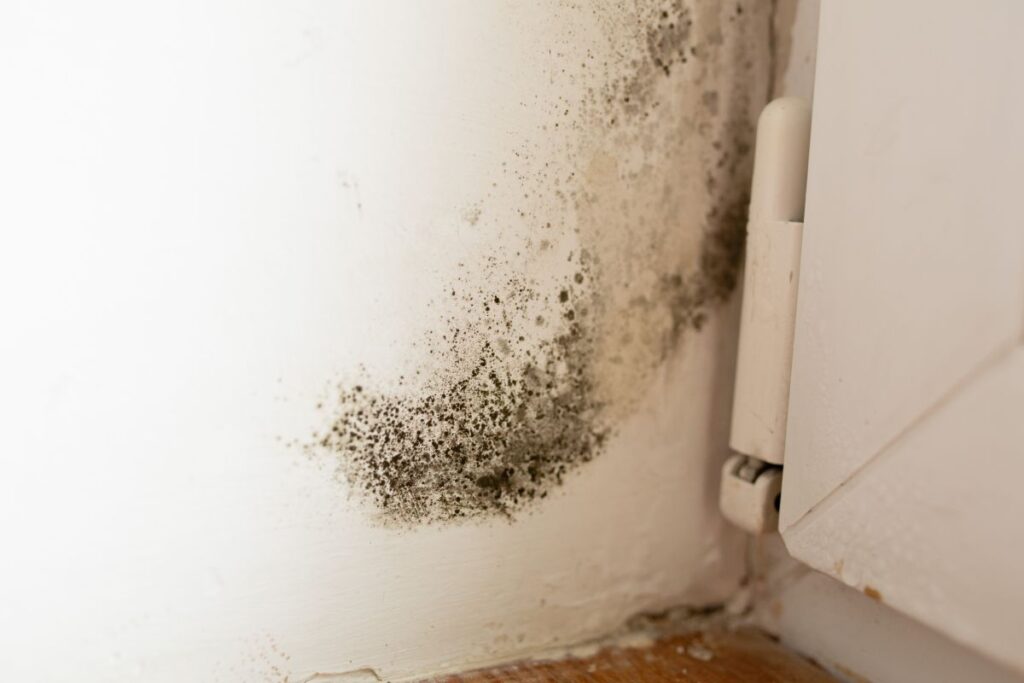
| Dark grey or black, spreading | Active moisture, possible mold behind surface |
| White or chalky residue | Mineral deposits from condensation or slow drip |
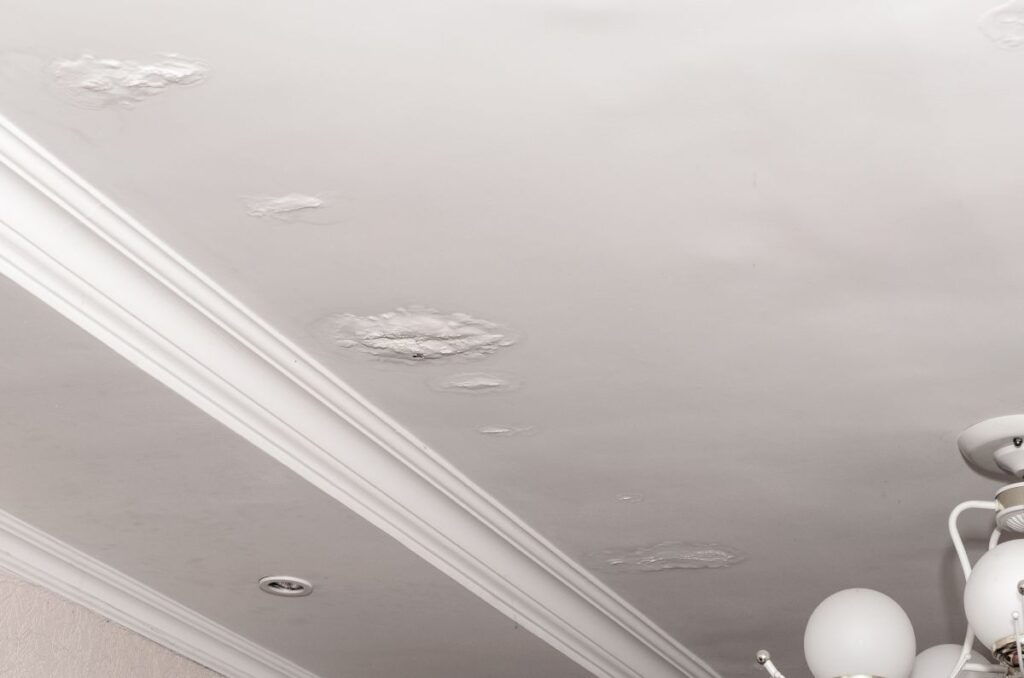
| Multiple spots in a pattern | Condensation from poor attic ventilation |
| Stain with peeling paint | Prolonged exposure, moisture has saturated the drywall |
| Stain that reappears after painting | Underlying moisture not addressed before patching |
Common FAQs
Ceiling stains raise a lot of questions, and the answers matter because the wrong move can make the problem significantly worse. Here are the questions homeowners most commonly ask when they first notice a dark spot on their ceiling.
Can I just paint over a dark spot on my ceiling?
Painting over a ceiling stain without addressing the source is one of the most common and costly mistakes homeowners make. The stain will bleed back through standard paint within weeks, and more importantly, sealing moisture inside the wall or ceiling cavity creates ideal conditions for mold. The correct order is always: find and fix the source, dry the area completely, apply a stain-blocking primer, and then repaint.
How do I know if the dark spot is from a roof leak or something else?
Location and timing are the two biggest clues. Stains that appear or worsen directly after rainfall and are located near the roofline, a chimney, a skylight, or an exterior wall are almost always caused by roof leaks or clogged gutters backing water up under the eaves. Stains that appear in the middle of a ceiling on an upper floor, or directly below a bathroom, are more likely plumbing-related. A professional inspection can confirm the source definitively and is worth the call before any repair work begins.
Is a ceiling stain always a sign of mold?
Not always, but the risk increases significantly the longer moisture is present. Mold spores begin colonizing wet ceiling materials within 24 to 48 hours of water exposure, and hidden mold often grows inside wall cavities and on the back of drywall before it becomes visible on the surface. When it spreads, it can affect indoor air quality and cause serious health issues for occupants. A musty smell, dark or fuzzy discolouration, or staining that is spreading are all indicators that mold may already be present and should be assessed professionally.
How urgent is a dark spot on the ceiling?
More urgent than it looks. What appears as a small stain on the surface can represent significant moisture accumulation inside the ceiling assembly — saturated insulation, wet framing, and early-stage mold. The longer the leak continues, the more extensive the damage becomes. Addressing it within days rather than weeks consistently results in lower repair costs and a simpler fix.
Will my home insurance cover ceiling water damage?
It depends on the cause and how quickly you acted. Most standard BC home insurance policies cover sudden and accidental water damage, such as a roof failure during a storm. Gradual leaks that were not addressed promptly are frequently excluded. Documenting the stain as soon as it appears and contacting your insurer before beginning any repairs gives you the best chance of a successful claim.
Army Roofing: Find the Source, Fix It Right
A dark spot on the ceiling is your home asking for help. It rarely stays small on its own, and the sooner the source is identified and addressed, the less damage there is to undo. At Army Roofing, we have been helping homeowners across the Lower Mainland trace ceiling stains back to their roofing source and get them fixed properly — no guesswork, no temporary patches. Contact Army Roofing today to book your free inspection and get a clear answer on what is happening above your ceiling.
Recent Articles
The Roof Blog