



Partial Roof Replacement Vs Full Replacement: 4 Options
Deciding between a partial roof replacement and a full replacement is one of the most important decisions a homeowner can make when roofing issues arise, and getting it wrong can cost you significantly more in the long run. If you’ve noticed a few damaged shingles or a nagging leak in one corner of your home, you might be wondering whether a targeted fix will do the job or whether you really need to start from scratch. That is exactly the kind of question a professional assessment can answer, and Army Roofing’s roof replacement services are built around giving homeowners a clear, honest recommendation either way. Here is what this blog will walk you through:
- The key differences between partial and full roof replacements
- The 4 main options available to homeowners
- A comparison of costs, timelines, and material considerations
- When each approach makes the most sense for your home
- Frequently asked questions homeowners commonly have about this decision
Understanding the Core Difference
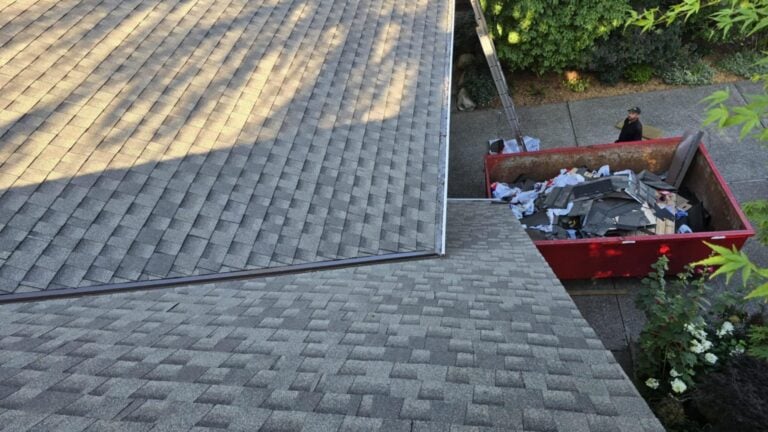
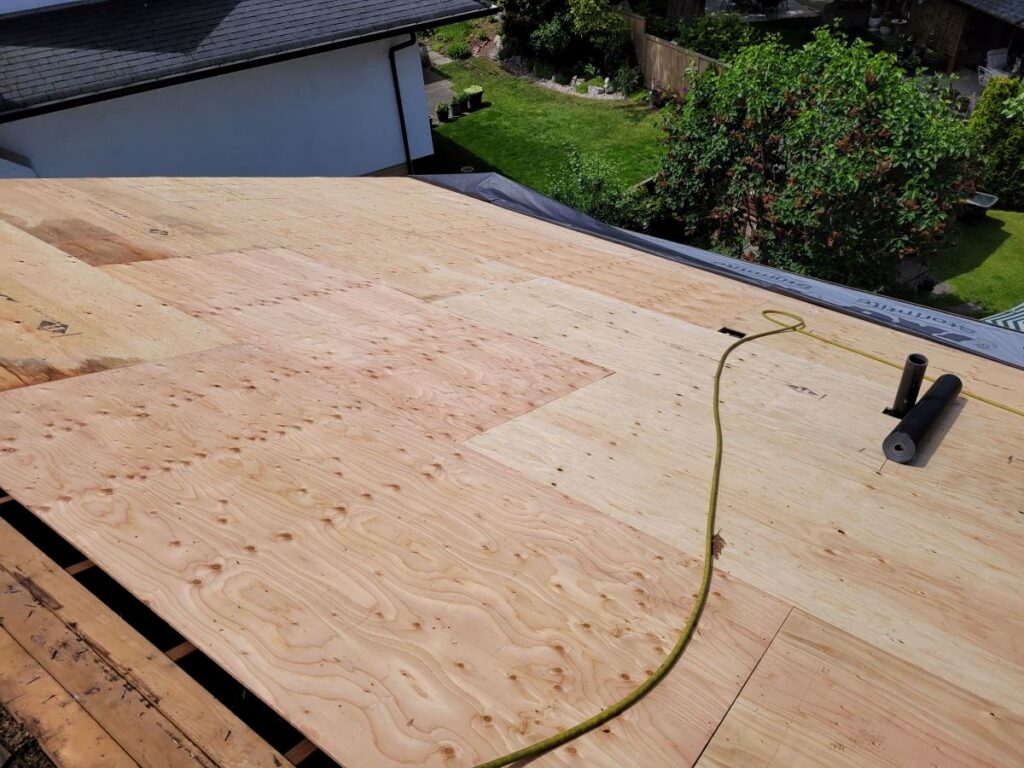
Before diving into your options, it helps to understand what separates a partial replacement from a full one at a fundamental level. A partial roof replacement targets a specific section of the roof where damage or deterioration has occurred, leaving the rest of the existing system intact. A full replacement removes all existing roofing materials down to the deck and installs an entirely new system from the ground up.
Both approaches have legitimate applications, and neither is universally better than the other. The right choice depends on the age of your existing roof, the extent of damage, and the condition of your underlayment and decking.
4 Options for Roof Replacement
Homeowners in British Columbia typically have four paths to consider when facing significant roofing damage or wear. Each has its own cost profile, longevity expectations, and ideal use case. Here is a breakdown of what each option actually involves.
1. Section Repair
A section repair targets a small, isolated area of damage, typically covering just a few square feet or a single section of your roof. This is the most limited and least expensive option on this list, and it works best when the problem is clearly contained and the surrounding materials are still in solid shape.
- Best for: Isolated storm damage, fallen debris, or a manufacturing defect affecting one small spot while the rest of the roof is in good condition.
- Cost profile: The lowest upfront investment of any option, making it a smart short-term fix for younger roofs.
- Limitation: Mismatched shingles can be a visual drawback, especially on older roofs where existing materials have weathered significantly.
2. Half or Partial Replacement
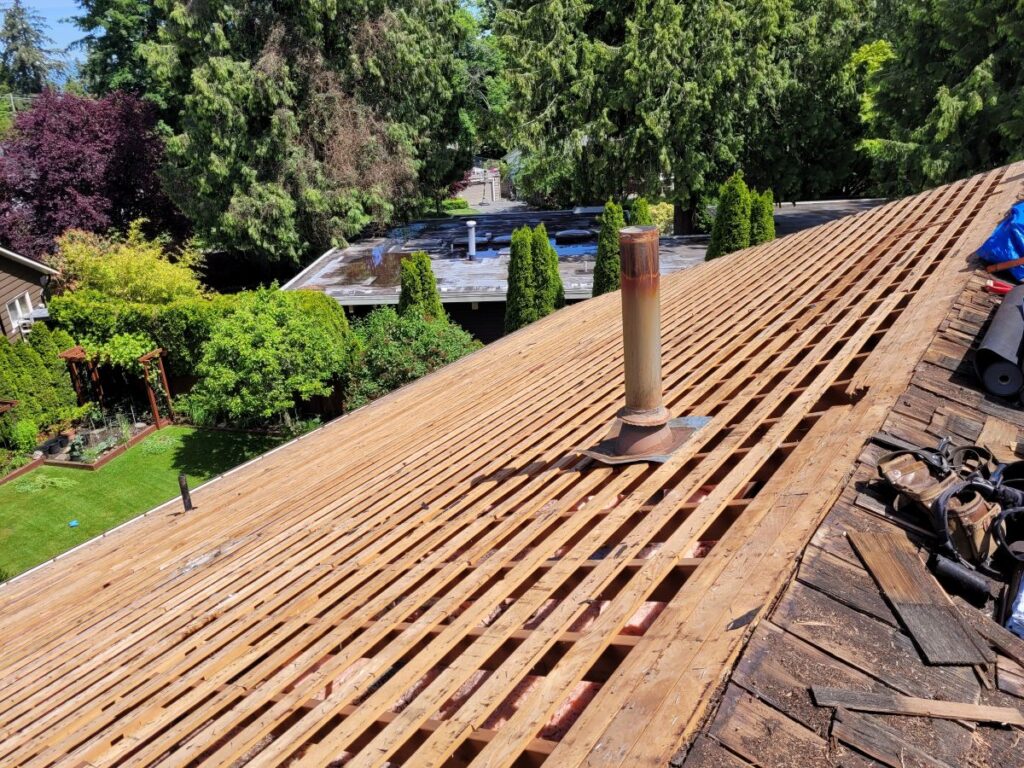
A partial replacement covers a larger area, typically an entire slope, side, or plane of the roof. This option makes the most sense when one portion of your home has sustained significant damage while the other sections remain structurally sound and have several good years of life remaining.
- Best for: One-sided damage from a fallen tree, chronic leaking on a single slope, or storm damage concentrated on one area.
- Cost profile: More expensive than a section repair but considerably less than a full replacement.
- Limitation: Matching new shingles to existing ones can be difficult since colors fade over time, even within the same product line.
3. Overlay or Re-Roof
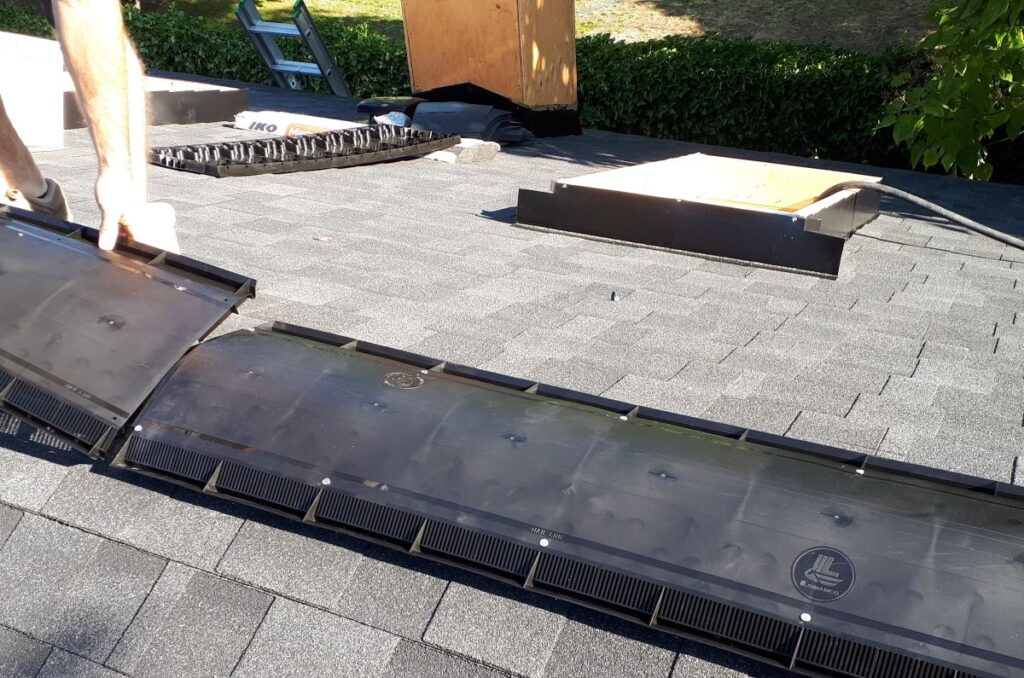
An overlay involves installing a new layer of shingles directly on top of the existing ones without removing the old materials first. It is faster and less expensive since it skips tear-off and disposal costs, but it comes with some important trade-offs homeowners should understand before committing.
- Best for: Roofs with one existing shingle layer, no underlying rot or deck damage, and where local code permits an additional layer.
- Cost profile: Lower than a full replacement due to reduced labor and disposal costs.
- Limitation: Adds weight to the structure, shortens overall lifespan compared to a full replacement, and can mask deck problems that worsen over time. Homeowners in Burnaby and the Lower Mainland should confirm what the BC Building Code allows for their specific property.
4. Full Roof Replacement
A full replacement removes every layer of roofing material down to the deck, allows for a complete inspection and any necessary repairs, and installs an entirely new system from scratch. It is the most comprehensive and longest-lasting option available. According to InterNACHI’s Standard Estimated Life Expectancy Chart for Homes, architectural asphalt shingles have an expected lifespan of 30 years, which gives homeowners a useful benchmark for deciding when a full replacement becomes the smarter long-term investment.
- Best for: Roofs nearing or past their expected lifespan, widespread damage across multiple sections, or when an inspection reveals deck rot or compromised underlayment.
- Cost profile: The highest upfront cost, but also the best long-term value with full manufacturer and labor warranty coverage.
- Limitation: Requires more time and planning than partial options, though most Army Roofing installations are completed in one to two days.
Partial vs Full Replacement: How They Compare
Use this table as a quick reference when weighing your options side by side.
| Factor | Partial Replacement | Full Replacement |
| Upfront Cost | Lower | Higher |
| Lifespan Benefit | Moderate | Maximum |
| Shingle Color Match | Can be difficult | Seamless, all new |
| Deck Inspection | Limited visibility | Full inspection |
| Best For | Isolated or localized damage | Aging, widespread damage |
| Warranty Coverage | Partial, may be limited | Full manufacturer and labor |
| Disruption Level | Minimal | More involved |
When a Partial Replacement Makes Sense
Not every roofing problem calls for a full overhaul, and homeowners should not feel pressured into a complete replacement when a targeted solution will genuinely solve the issue. Here are situations where a partial replacement is a smart and appropriate choice:
- Recent storm damage: When a single weather event affects only one section of an otherwise young and healthy roof, replacing only the affected area is a reasonable and cost-effective approach.
- Isolated manufacturing defect: If a specific batch of shingles failed prematurely but the rest of the roof is in good shape, a partial fix addresses the problem without unnecessary additional expense.
- Mid-life roof with localized damage: A roof that is ten to fifteen years old with a specific problem area may have many good years left in the undamaged sections, making a full replacement premature.
- Budget constraints: Homeowners who need to manage costs in the short term may opt for a partial fix while planning for a full replacement in the coming years.
When a Full Replacement Is the Right Call
There are situations where patching or partial fixes simply delay the inevitable and can end up costing more over time. A full replacement is the smarter investment when any of the following apply:
- Your roof is approaching or past its expected lifespan, typically 20 to 30 years for asphalt shingles.
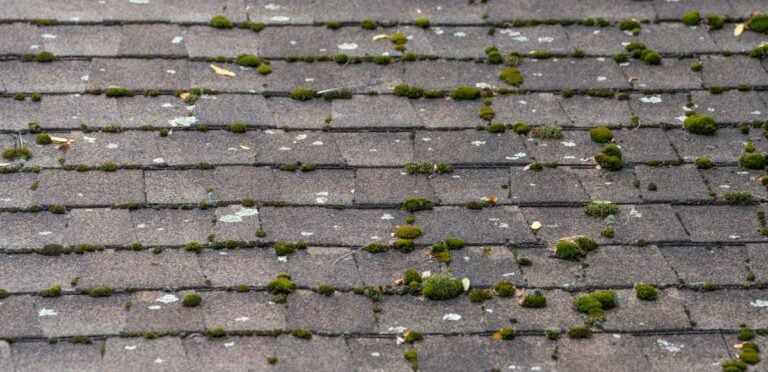
- Multiple sections show signs of wear, curling, granule loss, or damage, meaning the problem is systemic rather than isolated.
- An inspection reveals deck rot, water infiltration in the underlayment, or compromised flashing across the roof.
- You are planning to sell your home and want to maximize curb appeal and resale value.
- Your current roof has already had an overlay installed, and local code does not allow another layer.
We are proud to serve home and business owners in Burnaby, BC, and nearby communities with professional roof replacement, repair, and inspection services and more.
Common FAQs
Homeowners dealing with roof damage often have a lot of the same questions. The decision between partial and full replacement comes with its fair share of uncertainty, so here are answers to some of the questions we hear most often.
Can I mix old and new shingles on the same roof?
Yes, it is physically possible to mix old and new shingles, and it is done fairly regularly in partial replacements. The main challenge is that shingles fade and weather over time, so even the same product from the same manufacturer may look noticeably different when placed next to aged materials. A skilled contractor will source the closest available match, and the difference often becomes less noticeable as the new shingles weather. That said, if visual uniformity matters to you, a full replacement eliminates the concern entirely.
Will a partial replacement affect my roof warranty?
It depends on the warranty type. Manufacturer warranties typically cover the specific materials installed, so new shingles installed in a partial replacement will carry their own coverage. However, some full-system warranties require that the entire roof be replaced with the same product line to remain valid. Labor or workmanship warranties are issued by your contractor and usually apply only to the section they worked on. Always ask your contractor to clarify warranty coverage before work begins.
How do I know if my deck needs replacing too?
A thorough inspection by a licensed roofing contractor is the best way to assess your deck condition. Signs of deck problems include soft spots when walked on, visible sagging or dipping from the ground, water stains on attic ceilings or rafters, and a spongy feel underfoot during a roof inspection. In a partial replacement, contractors can only inspect the deck beneath the section they are working on. A full replacement gives them visibility into the entire deck, which is one of its key advantages.
Does a partial replacement add value to my home?
A partial replacement can help maintain your home’s value by addressing damage that would otherwise worsen over time and potentially show up on a home inspection report. However, it generally adds less value than a full replacement, which buyers and appraisers tend to view more favorably because it removes uncertainty about the remaining roof life.
How does BC’s wet climate affect this decision?
The Pacific Northwest is one of the wetter climates in Canada, and Burnaby and the surrounding Lower Mainland get consistent rainfall throughout most of the year. That moisture exposure accelerates shingle degradation, promotes moss and algae growth, and puts pressure on underlayment and flashing over time. When humidity and rain are persistent factors, addressing roof issues promptly and thoroughly tends to pay off. A partial repair that leaves compromised adjacent sections in place may allow water infiltration to spread, making a more comprehensive solution the smarter long-term move.
Let Army Roofing Help You Make the Right Call
The team at Army Roofing knows that deciding between a partial and full roof replacement is not always straightforward, and the wrong choice can lead to recurring problems and unexpected costs down the road. As a family-owned and operated company with deep roots in the Lower Mainland, we take the time to give every homeowner an honest assessment rather than defaulting to the most expensive option. Whether your situation calls for a targeted repair or a complete system overhaul, we have the experience, the materials, and the workmanship guarantee to back it up. Contact Army Roofing today to book your free estimate and get a clear, straightforward recommendation from people who stand behind their work.
Recent Articles
The Roof Blog