



Roof Underlayment Types Explained: Which One Fits Your Roof
Roof underlayment types matter more than most homeowners realize, because underlayment is the moisture barrier that stands between your roof deck and water if the primary roofing material ever fails. It is installed directly on the roof deck before shingles, metal panels, or any other surface material goes on, providing roof deck protection from the moment installation begins, and in a wet coastal climate like North Vancouver’s, choosing the right type has a direct effect on how well your roof performs over its lifespan, and getting it wrong at the start of a roofing project is one of the most costly mistakes a homeowner can make. Army Roofing uses advanced underlayment systems on every installation, engineered for the moisture and wind conditions of the Pacific Northwest. Here is what this blog covers:
- What roof underlayment is and why it matters
- The 4 main types of roof underlayment compared
- How to choose the right underlayment for your roof
- Frequently asked questions about underlayment in North Vancouver
What Roof Underlayment Is and Why It Matters
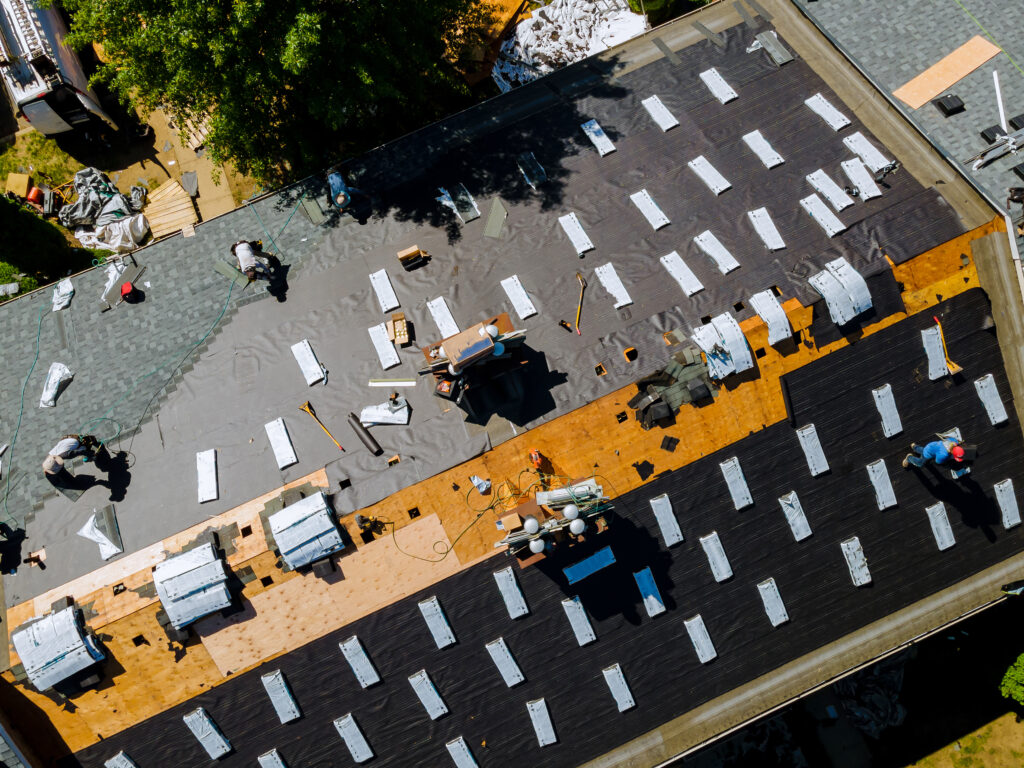
Underlayment sits between the roof deck or roof sheathing (typically plywood or OSB) and the outer roof covering. It functions as a secondary barrier against wind-driven rain, ice damming, and condensation, protects the roof deck during installation before shingles go on, and acts as a leak barrier if the outer roofing surface is ever breached. Underlayment also works in combination with drip edge flashing to direct water away from the fascia and into the gutters rather than behind them. According to InterNACHI, the type of underlayment installed directly affects how well a roofing system handles moisture at the deck level, and non-compliant or low-grade underlayments can absorb water readily and fail sooner than ASTM-compliant products.
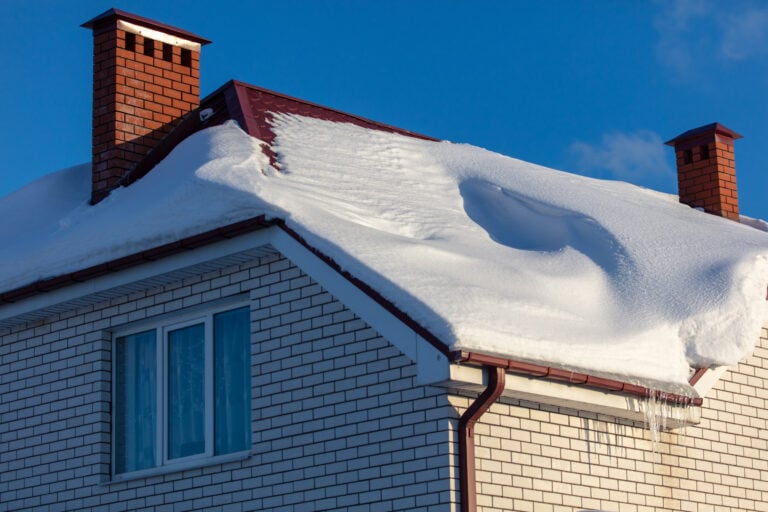
In North Vancouver and across the Lower Mainland, underlayment performance is particularly consequential. Heavy annual rainfall, sustained coastal winds, and cool winters that produce ice dams along eaves all put underlayment under continuous pressure. Ice dams form when heat escapes through the roof and melts snow, which then refreezes at the eave and forces water back under the roof covering. Getting this layer right is not optional.
4 Types of Roof Underlayment Compared
Not all underlayment is the same, and different types suit different roofs, climates, and budgets. Here are the four main categories.
1. Asphalt-Saturated Felt (Traditional Felt)
Felt underlayment, also called tar paper or asphalt underlayment, is the oldest and most widely recognized type, made from organic fiber or fiberglass matting saturated with asphalt. It comes in two weights: 15-pound and 30-pound, referring to the approximate weight per 100 square feet. In practice, the 30-pound felt is the more durable option and the version most codes now require where felt is still used. It is the most affordable underlayment on the market and is water-resistant rather than waterproof, which works adequately on steep-slope roofs in moderate climates but falls short in a full-performance roofing system.
- Water resistance: Sheds water but absorbs moisture over time, and can wrinkle or buckle when wet, which may telegraph through thinner shingles
- Durability: Degrades faster under UV exposure and heat; tears more easily during installation than synthetic alternatives
- Cost: Lowest upfront cost at approximately $20 to $40 per square (100 sq ft) installed
- Best for: Budget replacements on steep-slope roofs in moderate climates where enhanced performance is not a priority
- BC climate note: The wrinkling and moisture absorption of felt is a genuine performance concern in North Vancouver’s consistently damp climate
2. Synthetic Underlayment
Synthetic roofing underlayment has largely replaced felt as the standard for residential roofing in BC and across Canada. Made from polypropylene or polyethylene polymer sheets, synthetic roofing underlayment is lighter, stronger, more tear-resistant, and significantly more durable under UV exposure than felt. Like felt, it is water-resistant rather than waterproof, shedding water effectively across most roof pitch configurations while holding up through the extended exposure periods that occur on larger or multi-day roofing projects. Synthetic is now the baseline recommendation in most modern roofing system specifications across BC.
- Water resistance: Strong water-shedding performance; does not absorb moisture or wrinkle; mechanically fastened with cap nails or staples
- Durability: Resists tearing during installation and withstands UV exposure for longer periods than felt without degrading
- Cost: Approximately $40 to $75 per square installed, more than felt but often worth the performance difference
- Best for: Most residential roofing applications in BC, including asphalt shingle, metal roofing, and tile systems; synthetic roofing underlayment is the standard spec under most metal roofing panels
- BC climate note: The stronger UV stability and tear resistance make synthetic the practical standard for the Lower Mainland’s variable install conditions
3. Peel-and-Stick (Self-Adhering Membrane)
Peel-and-stick underlayment is a rubberized asphalt or SBS modified bitumen membrane with a factory-applied adhesive backing. Unlike felt and synthetic, it bonds directly to the roof deck without mechanical fasteners, creating a continuous waterproof barrier rather than just a water-shedding layer. Unlike felt and synthetic underlayment which are water-resistant, peel-and-stick is genuinely waterproof. Its defining feature is self-sealing: when fasteners penetrate the membrane during shingle installation, the rubberized asphalt seals tightly around each nail, eliminating that penetration as a potential leak point. Also called ice and water shield or self-adhering membrane, it is required by building code at eaves in ice dam zones and in roof valleys on most permitted installations across Canada. Owens Corning’s RhinoRoof self-adhering line is one of the most recognized roofing underlayment Owens Corning products used in this category across North America.
- Water resistance: Fully waterproof rather than water-shedding; seals around fastener penetrations; performs in wind-driven rain and ice dam conditions
- Durability: The most durable underlayment option available; significantly outperforms felt and synthetic in wet and cold applications
- Cost: Highest cost at approximately $150 to $250 per square installed, reflecting the enhanced protection it provides
- Best for: Eaves and valleys on every roof as a minimum; full coverage on low-slope sections and in cold or high-wind zones where building code requires it
- BC climate note: Army Roofing uses peel-and-stick at eaves and vulnerable areas on most Lower Mainland installations due to ice dam exposure and sustained rainfall
4. Rubberized Asphalt (Non-Self-Adhering)
Rubberized asphalt underlayment sits between synthetic and peel-and-stick in performance. It is made from polymer-modified asphalt with a polyethylene or polyester facing and is mechanically fastened like synthetic, but the asphalt-rubber core provides better waterproofing performance than standard synthetic and more flexibility in cold temperatures. Some versions include a slip-resistant surface for safer installation on steep-slope roofs.
- Water resistance: Stronger than synthetic, closer to peel-and-stick in performance, but without the self-sealing fastener property
- Durability: Highly durable in cold and wet conditions; the rubberized core remains flexible during freeze-thaw cycles
- Cost: Mid-to-high range, generally between synthetic and peel-and-stick in cost
- Best for: Steep-slope applications in cold or high-precipitation climates where extra waterproofing performance is wanted without the full cost of peel-and-stick coverage
- BC climate note: A strong option for North Vancouver homes with complex roof geometry where full peel-and-stick coverage would be cost-prohibitive but standard synthetic is not sufficient
We are proud to serve home and business owners in North Vancouver, BC, and nearby communities with professional roofing installation, replacement, and inspection services and more.
How to Choose the Right Underlayment for Your Roof
The right underlayment depends on several factors specific to your home.
- Roof pitch: Low-slope roofs where water moves slowly require waterproof underlayment, typically peel-and-stick or rubberized asphalt. Any roofing project on a low-slope section should specify this upfront rather than defaulting to synthetic. Steep-slope roofs shed water faster and can use synthetic effectively across the field, with peel-and-stick reserved for eaves, valleys, and penetrations.
- Climate: In North Vancouver’s wet, cool climate, synthetic is the practical minimum and peel-and-stick at eaves and valleys is strongly recommended. Standard 15-pound felt is not adequate for this region’s rainfall and ice dam exposure.
- Building code: The BC Building Code and IRC Section R905 both require ice and water shield at eaves in cold climate zones and in roof valleys on permitted work. Confirm your contractor is meeting code requirements, not just minimum practice.
- Budget: Felt is the least expensive upfront but may require earlier replacement. Synthetic offers the best balance of cost and performance for most BC residential applications. Peel-and-stick carries the highest cost but delivers the most protection in vulnerable areas.
- Roof complexity: Roofs with multiple valleys, dormers, skylights, or penetrations have more vulnerable points where water can find its way in. These roofs benefit most from peel-and-stick coverage at every transition point.
Common FAQs for North Vancouver Homeowners
Underlayment questions come up most often during roof replacement estimates, when homeowners are comparing quotes and trying to understand what they are actually paying for. Here are the questions we hear most often from homeowners in North Vancouver and across the North Shore.
Does all roof underlayment need to be replaced when I replace my shingles?
Yes. Underlayment is installed beneath the shingles and is removed as part of a standard tear-off. It cannot be separated from the shingle layer and reused, and replacing shingles without also replacing the underlayment would leave an aged and potentially deteriorated layer between the new shingles and the roof deck. A proper roof replacement includes a full new moisture barrier across the entire roof deck, installed after the deck is inspected for rot or damage.
Is synthetic underlayment better than felt for BC homes?
For most North Vancouver homeowners, yes. Synthetic underlayment is stronger, more tear-resistant, more UV-stable, and does not absorb moisture the way felt does. In BC’s climate, where roofs face sustained rainfall and extended periods of moisture exposure, the performance advantages of synthetic over felt are meaningful and justify the modest cost difference.
What is the difference between peel-and-stick and ice and water shield?
They are the same product category. Ice and water shield is a common brand name for peel-and-stick self-adhering underlayment, referring specifically to its performance in ice dam and wind-driven rain conditions. Both terms describe a rubberized asphalt membrane with an adhesive backing that bonds to the roof deck without mechanical fasteners.
Does Army Roofing use peel-and-stick on all installations?
Army Roofing uses peel-and-stick underlayment at high-risk areas on installations across the Lower Mainland, including eaves, valleys, and around all penetrations, as a minimum standard. For some roofs, particularly low-slope sections and roofs with complex geometry, full peel-and-stick coverage may be recommended. The specific underlayment specification for your roof is discussed as part of the estimate process.
Army Roofing Gets the Layer Underneath Right
The shingles get all the attention, but the underlayment is what protects your home when everything above it fails. At Army Roofing, we select underlayment based on your roof’s slope, complexity, and exposure to North Vancouver’s climate rather than defaulting to the cheapest option available. Contact Army Roofing today to book your free roof assessment and find out which underlayment system is the right fit for your home.
Recent Articles
The Roof Blog