



Roof Snow Load: How Much Weight Your Roof Can Handle
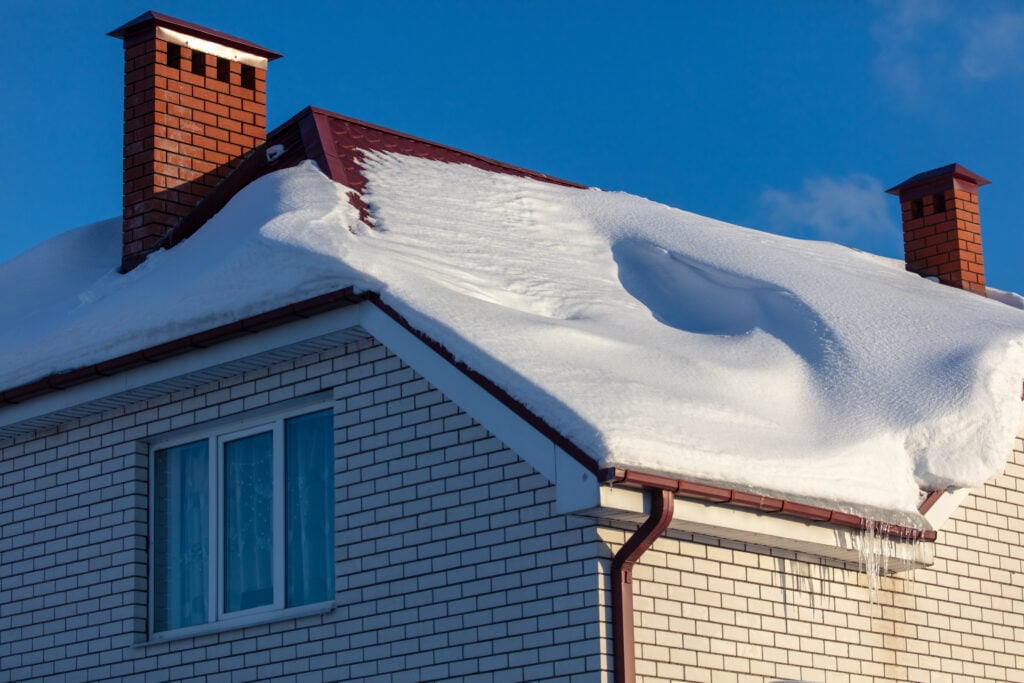
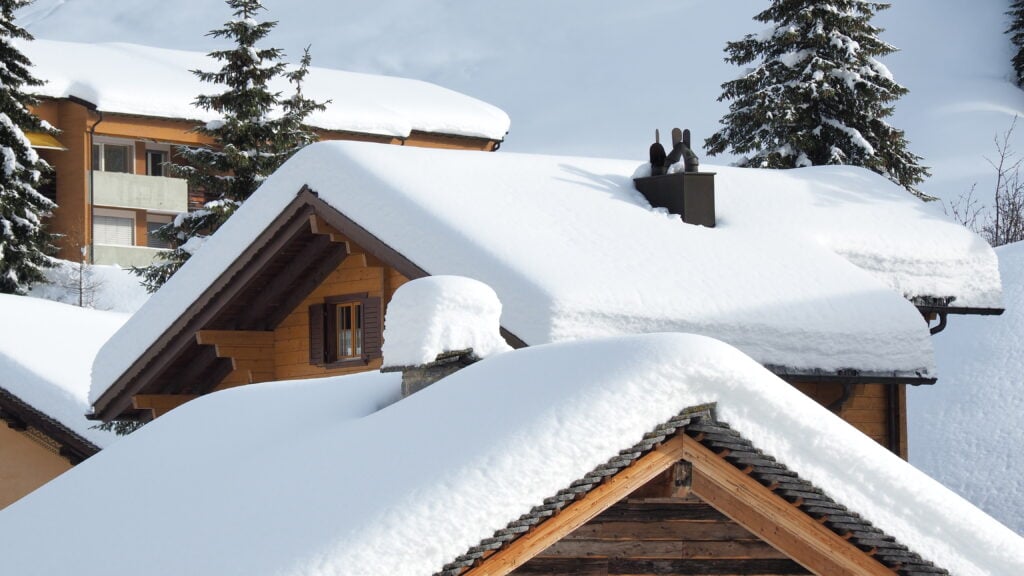
Roof snow load is a topic most homeowners in the Lower Mainland never think about until a significant snowfall arrives and they start wondering whether what is sitting on their roof is a problem. Snow is heavier than it looks, accumulates faster than most people expect, and behaves very differently depending on its moisture content and age, fresh light powder carries a fraction of the weight of wet, compacted snow or refrozen ice. Knowing what your roof is designed to carry, how to estimate what is actually on it, and what warning signs indicate you are approaching a structural limit can be the difference between a safe winter and a costly emergency. Army Roofing helps homeowners across Abbotsford and the Lower Mainland protect their roofing system through every season. Here is what this blog covers:
- How roof snow load is measured and what the numbers mean
- How much snow weighs by type
- What your roof is designed to handle
- Warning signs your roof is under too much snow load
- How to safely manage snow accumulation
- Frequently asked questions for Abbotsford homeowners
How Roof Snow Load Is Measured
Snow load refers to the downward force exerted on a roof by accumulated snow, measured in pounds per square foot (psf) or kilopascals (kPa). The two figures are roughly equivalent in everyday use: 1 kPa equals approximately 20.9 pounds per square foot.
Residential roofs in Canada are engineered to meet minimum snow load requirements set by the National Building Code of Canada, which uses a location-based ground snow load value representing the 1-in-50-year maximum accumulation for a given area. Roof snow load is calculated from that ground figure, adjusted for roof slope, wind exposure, and accumulation factors. According to Big 5 Roofing, citing the National Research Council of Canada, the minimum roof snow load a residential structure must withstand under the NBC is 21 pounds per square foot, or 1 kilopascal. Regional codes may set higher minimums; areas with heavier historical snowfall, including parts of the BC interior, carry higher design loads than the Lower Mainland.
Roof pitch plays a significant role in actual snow accumulation. Steep-slope roofs allow snow to slide off naturally, dramatically reducing the load the structure carries. Low-slope and flat roofs accumulate snow throughout winter and typically carry the highest real-world snow loads of any roof geometry.
How Much Snow Weighs by Type
The most important thing homeowners can understand about snow load is that snow density varies enormously depending on temperature and moisture content. The same depth of snow can represent vastly different weights depending on conditions.
| Snow Type | Approximate Weight per Square Foot per Foot of Depth |
| Fresh dry powder | 3–5 lbs/sq ft per foot |
| Average settled snow | 12–18 lbs/sq ft per foot |
| Wet, heavy snow | 18–25 lbs/sq ft per foot |
| Rain-soaked snow | 25–35 lbs/sq ft per foot |
| Ice (1 inch) | ~5 lbs/sq ft |
These figures illustrate why a heavy wet snowfall is far more dangerous than a light powder accumulation of the same visible depth. One foot of wet snow in above-freezing conditions can weigh five to seven times more than the same depth of dry powder at -10°C.
In Abbotsford, where temperatures regularly hover near freezing during winter storms, snow frequently falls as wet, dense accumulation or transitions from snow to rain mid-storm, dramatically increasing the weight on roofs compared to what the same visual depth might suggest.
What Your Roof Is Designed to Handle
Most residential roofs in the Lower Mainland are engineered using the local ground snow load value from the NBC, which for the Greater Vancouver and Fraser Valley region generally falls in the range of 1.0 to 2.5 kPa (approximately 21 to 52 psf) depending on elevation and exact location. The structural members, rafters, trusses, and ridge beam, are sized to carry this design load with an appropriate safety factor.
Several factors affect how much load a specific roof can safely carry at any given time.
Roof Age and Structural Condition
An older roof with aging rafters, deteriorated connections at gusset plates, or a history of moisture damage carries less effective capacity than the original design. Trusses that have been modified, cut, or repaired without proper engineering are particularly vulnerable under heavy snow load.
Existing Dead Load
Every layer of roofing material on the roof contributes to the dead load the structure carries year-round. A roof with two or three layers of shingles is already carrying more constant weight than a freshly stripped roof, leaving less margin for additional snow accumulation before design limits are reached.
Drift Accumulation
Snow drifts against walls, parapets, and roof projections can produce localized loads several times higher than the uniform design load the roof was engineered for. A drift against a dormer wall or in a roof valley can represent the equivalent of several feet of snow in a small area, concentrating load on a section of the roof not designed for that intensity.
Flat or Low-Slope Roofs
Flat roofs cannot shed snow and accumulate the full seasonal load over winter. In BC’s climate, rain-on-snow events, where rainfall saturates existing snow accumulation, are one of the most common causes of flat roof overloading because the weight increase is not visible from the ground.
4 Warning Signs Your Roof Is Under Excessive Snow Load
Most roofs handle normal winter accumulation without issue, but certain combinations of heavy snowfall, wet snow, and existing structural wear can push a roof toward its limits. These signs indicate a roof is approaching or exceeding its structural capacity and warrant immediate attention.
1. Cracking or Popping Sounds
Unusual cracking, creaking, or popping sounds from the roof structure during or after heavy snowfall are among the most direct indicators that structural members are under excessive stress. These sounds indicate that wood fibers are being compressed or that connections between framing members are beginning to move.
- What to do: Evacuate the affected areas of the home and contact a roofing or structural professional immediately. Do not return to rooms directly below the roof until the load has been reduced and the structure assessed.
2. Visible Sagging or Deflection
A roofline that sags, bows, or shows visible deflection between rafters or trusses when viewed from inside or outside the home indicates that the structure is deforming under load. Any visible change in roofline geometry that was not present before the snow accumulation is a serious warning sign.
- What to do: Begin controlled snow removal from the ground using a roof rake if it can be done safely, and contact a roofing professional immediately. Climbing onto a sagging roof to remove snow adds additional weight and risk.
3. Doors and Windows Sticking or Gaps Appearing
When a roof structure deflects under excessive snow load, it can distort the building frame enough to cause doors and windows to stick, jam, or show gaps at their frames that were not previously present. This structural movement indicates the load is affecting the entire building envelope, not just the roof.
- What to do: This is a serious structural warning sign. Contact a professional immediately and consider evacuating until the load is reduced and the structure can be evaluated.
4. Interior Ceiling Cracks or Visible Deformation
New cracks appearing in ceilings or at ceiling-to-wall junctions during heavy snowfall, or ceiling tiles that appear to be deflecting downward, indicate structural movement above. Combined with heavy snow accumulation, these are urgent indicators.
- What to do: Document the cracks with photos, reduce snow load as quickly and safely as possible, and have the structure professionally assessed before the next major snow event.
We are proud to serve home and business owners in Abbotsford, BC, and nearby communities with professional roofing inspection, replacement, and storm response services and more.
How to Safely Manage Snow Accumulation
For most BC homeowners, the priority is knowing when to act rather than routinely removing snow after every snowfall.
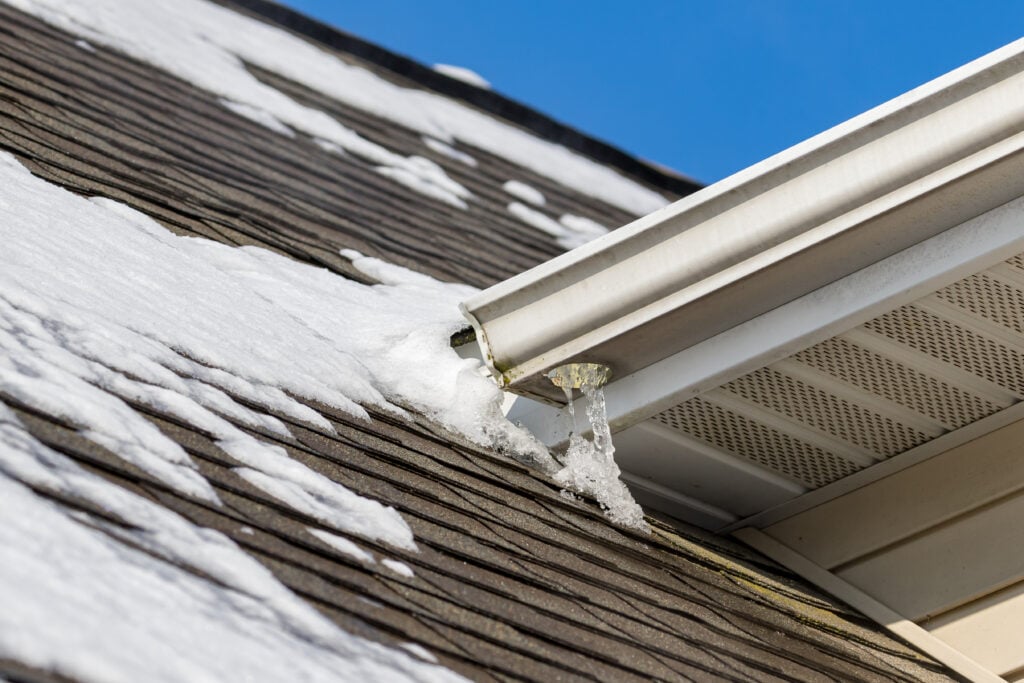
- Use a roof rake from the ground: For accessible eave overhangs, a telescoping roof rake allows snow removal from the ground without the risk of climbing. Focus on the eave sections first, where ice dams also form, and work in strips rather than attempting to clear the entire roof.
- Remove snow in layers: Avoid scraping down to the roof surface. Leaving a few inches of snow protects shingles and reduces the risk of catching and damaging roofing material with the tool.
- Never use a shovel or sharp tool on a shingled roof: Metal shovels crack shingles in cold temperatures. Plastic roof rakes with wheels or bumpers are designed to allow snow removal without shingle contact.
- Hire professionals for steep or high-access roofs: Roof snow removal on steep or multi-storey roofs carries serious fall risk. Professional crews have the equipment, anchoring, and experience to work safely in those conditions.
- Address flat roofs promptly after rain-on-snow events: The transition from snow to rain in BC winters can rapidly increase flat roof loads. These events are when flat roof structures face the greatest risk of overloading.
Common FAQs for Abbotsford Homeowners
Snow load questions come up most often after significant snowfall events or when homeowners are evaluating older roofs heading into winter. Here are the most common ones we hear from Abbotsford homeowners.
How do I know how much snow my roof can handle?
The design snow load for your roof is based on the ground snow load value for your location under the National Building Code of Canada, adjusted for roof slope and configuration. A structural engineer or roofing professional can confirm the design load for your specific building. As a rough practical guide, at 75 percent of design load, snow removal should be scheduled. At 90 percent, the situation is urgent. Most homeowners do not know their exact design load, which is why monitoring warning signs is the most practical approach.
Does removing snow damage my roof?
Done correctly, no. Using a plastic roof rake with protective wheels or bumpers from the ground does not damage shingles. Using metal tools, scraping aggressively, or working on the roof surface during cold temperatures carries real risk of shingle damage and personal injury. Leave a thin snow buffer on the surface and focus on reducing accumulated depth rather than achieving a bare roof.
Do steep roofs need snow removal?
Steep-slope roofs generally shed snow naturally and rarely accumulate enough to approach design load limits under normal BC winter conditions. The primary concern on steep roofs is ice damming at the eave rather than structural overloading. Flat roofs and low-slope roofs are the more significant concern for snow load management in the Lower Mainland.
Is my roof at risk if I can see significant snow accumulation?
Visual depth alone is not enough to assess risk, snow density is the key variable. Six inches of wet, rain-soaked snow weighs significantly more than two feet of dry powder. If you are in Abbotsford or the Fraser Valley during a wet winter storm and see significant accumulation that has been sitting for several days, particularly on a flat or low-slope roof, a professional assessment is worthwhile.
Army Roofing Helps You Head Into Winter Prepared
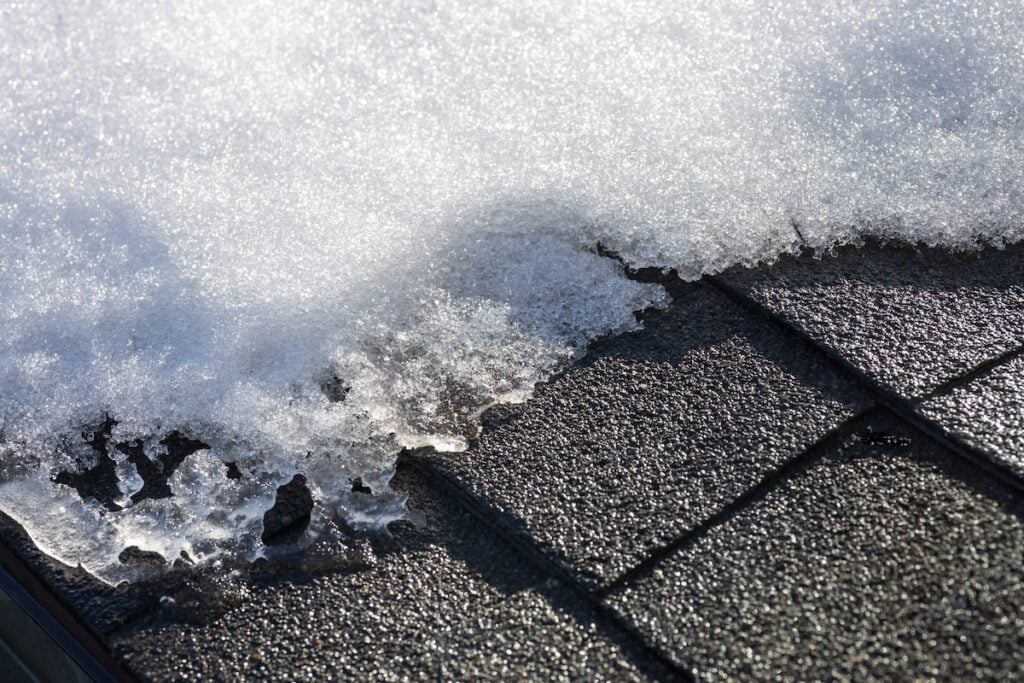
A roof in good structural condition, with sound trusses or rafters and no deferred maintenance, handles BC winter loads reliably. A roof with aging structure, deferred repairs, or added layers of shingles has less margin than it used to. At Army Roofing, our pre-season inspections identify structural vulnerabilities before the snow arrives, so you know what you are working with heading into winter. Contact Army Roofing today to book your free roof assessment in Abbotsford and across the Lower Mainland.
Recent Articles
The Roof Blog