



Roof Decking Replacement: Signs You Need New Sheathing
Roof decking replacement is one of the most important yet least visible decisions in any roofing project, because the decking is the structural foundation that every shingle, nail, and piece of flashing depends on. When damaged roof decking is left in place, no amount of new shingles or quality underlayment compensates, because the entire roofing system is only as reliable as the layer underneath it. Most homeowners never see their roof decking directly, which means damage can progress significantly before it becomes obvious. Army Roofing inspects every roof deck during tear-off and replaces only what the condition of the wood actually requires. Here is what this blog covers:
- What roof decking is and what it does
- The signs that indicate decking replacement is needed
- OSB vs plywood: which is right for BC homes
- Frequently asked questions for Coquitlam homeowners
What Roof Decking Is and What It Does
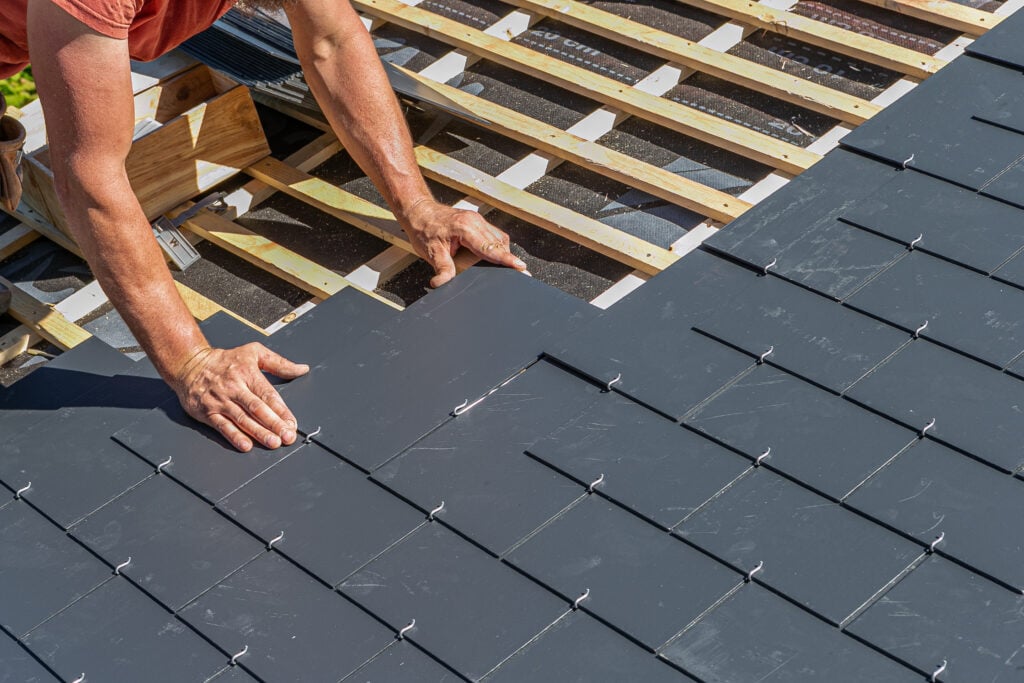
Roof decking, also called roof sheathing, is the layer of structural panels nailed directly to the rafters or trusses that forms the base of the entire roofing assembly. Wood decking is affordable and easy to install, which is why it remains the standard across residential construction. Sheet decking is the most common type, using 4×8 panels of either oriented strand board or plywood as wood decking, typically in thicknesses of 7/16 inch to 5/8 inch depending on rafter spacing. Older homes may have plank decking, individual boards laid across the rafters rather than continuous panels, which can develop gaps over time and may need to be overlaid or replaced when the roof is replaced.
According to the NRCA, plywood roof decking under proper ventilation conditions can last 40 to 50 years. Proper attic ventilation and attic insulation are the two most important factors in extending deck lifespan, since poor airflow traps heat and moisture against the underside of the decking. When shingles or underlayment fail and moisture reaches the deck, rot can develop within two to five years even on material that would otherwise last decades. Not all reroofing projects require decking replacement, contractors inspect the deck during tear-off and replace only damaged sections.
Signs You Need Roof Decking Replacement
Decking damage is almost always discovered during a professional inspection or tear-off. These are the most reliable signs that some or all of the decking needs replacing.
1. Soft Spots or Spongy Sections
Soft spots underfoot when walking the roof are one of the most direct indicators that wood fibers have been saturated long enough for rot to compromise structural capacity. From inside the attic, these areas often show dark staining, rotted wood when pressed, or visible sagging between rafters. Rotted decking in one area frequently signals that adjacent panels have been exposed to similar moisture and should be probed.
- What to look for: Sections that flex under foot pressure, discoloration or soft rotted decking on the attic underside, or sagging between framing members
- Why it matters: Soft decking cannot hold fasteners reliably, leaving shingles vulnerable to wind uplift well before the shingles themselves wear out
- What to do: Have a contractor probe affected areas during inspection; isolated soft spots do not necessarily require a full deck replacement
2. Visible Rot or Mold on Sheathing
Active wood rot on the decking surface confirms moisture has been present long enough to break down the wood structure. On asphalt shingle roofs, rot is most common near leak points, valleys, and along eaves where ice and water infiltration from ice dams forces moisture under shingles and lets it sit against the wood. Mold growth alongside rotted wood indicates moisture that has likely spread beyond the visibly affected area.
- What to look for: Dark, crumbling sections on the underside of the sheathing viewed from the attic, particularly near valleys, penetrations, or eave edges
- Why it matters: Rotted decking has lost its structural capacity and fastener-holding ability; installing a new roof over it causes premature failure regardless of material quality
- What to do: All visibly rotted sections must be replaced; a professional inspection should also assess how far moisture has migrated beyond what is visible
3. Delamination or Panel Separation
Prolonged moisture causes plywood layers to separate in a process called delamination. Delaminated panels warp, lose structural strength, and prevent shingles from lying flat. OSB, while not subject to delamination the same way, swells and loses edge integrity when repeatedly wet, particularly at panel joints.
- What to look for: Bubbling or warped plywood panels; swollen or crumbling OSB edges at joints; shingles that appear wavy or uneven from the ground
- Why it matters: Damaged decking produces an uneven surface that accelerates shingle wear and creates points where water pools rather than sheds
- What to do: Delaminated or badly swollen sections require full panel replacement; partial repairs do not restore the surface or structural integrity needed
4. Sagging or Uneven Roofline
A roofline that dips or waves between rafters when viewed from the ground indicates the decking has softened or lost thickness in those areas. Severe sagging means the structural capacity of the deck is already compromised and weight is no longer transferring to the framing correctly, which may require full deck replacement across the whole roof section rather than spot repairs.
- What to look for: A dipping or wavy roofline between rafters viewed from the street; visible depression between framing members from the attic
- Why it matters: Sagging indicates structural failure that accelerates under the continued load of the roofing system above
- What to do: Any visible sagging warrants immediate professional inspection; adjacent panels should be probed even if they appear sound
5. Persistent Interior Water Stains
Water stains on attic sheathing that reappear after cleaning confirm ongoing moisture reaching the deck. While the source may be shingles, flashing, or underlayment rather than the deck itself, staining directly on the decking confirms water contact at that layer.
- What to look for: Recurring brown staining on the underside of sheathing panels, wet insulation below the deck, or staining corresponding to specific roof areas like valleys or penetrations
- Why it matters: Staining is evidence of past or ongoing water contact; the longer water has reached the deck, the more likely deterioration has occurred beyond what is visible
- What to do: Trace and repair the water source first, then inspect stained decking for softness, rot, or delamination
6. Age and Accumulated Wear
Even decking without a specific leak event degrades through thermal cycling, humidity fluctuations, and fastener movement. On homes past 25 to 30 years with original decking, a professional assessment during the next roof replacement confirms whether the deck can handle another full roofing cycle. Installing a new 25 to 30-year shingle system on aged or damaged decking risks the deck failing before the shingles do, potentially requiring a full roof replacement ahead of schedule.
- What to look for: Age is not visible without inspection; treat it as a trigger for assessment rather than automatic replacement
- Why it matters: A few replacement sheets during a planned reroof costs a fraction of emergency deck work after failure
- What to do: Request a deck assessment as part of any roof replacement quote on a home over 25 years old
We are proud to serve home and business owners in Coquitlam, BC, and nearby communities with professional roofing inspection, replacement, and repair services and more.
OSB vs Plywood for BC Homes
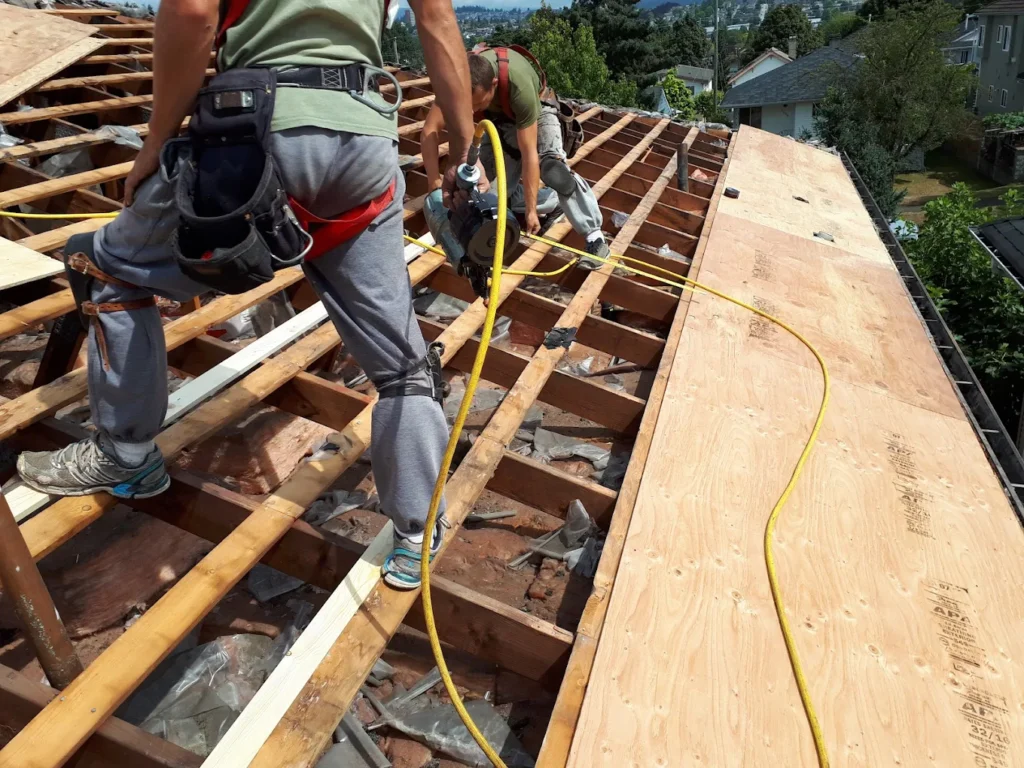
OSB, made from compressed wood chips and strips bonded with resin, is the industry standard for most residential applications due to lower cost and consistent panel strength. Plywood offers superior moisture resistance and holds structural integrity better at edges through repeated wet-dry cycles. In Coquitlam’s climate, where roofs face sustained moisture pressure, that edge performance difference is meaningful. The $10 to $20 per sheet premium for plywood pays back in longer deck lifespan and reduced leak risk at panel edges. Replacement costs typically run $2 to $5 per square foot installed, with individual sheets costing $50 to $100 installed depending on material and scope. One requirement that applies regardless of material: new decking must be installed flush with existing decking so shingles lie flat without transitions that cause buckling or water pooling.
Common FAQs for Coquitlam Homeowners
Decking questions come up most often when homeowners receive a reroofing quote that includes a line item for sheathing replacement. Here are the questions we hear most often from Coquitlam homeowners.
Does all decking need to be replaced when I re-roof?
No. Contractors inspect the deck during tear-off and replace only sections that are soft, rotted, delaminated, or structurally compromised. On well-maintained homes, it is common to replace very little or no decking. The assessment happens after tear-off, when the deck is fully exposed and can be probed and visually inspected.
How do I know if a contractor is being honest about decking replacement?
Ask to see the damaged sections before they are replaced. Reputable contractors will show you the soft, stained, or rotted panels they are removing and explain why each section requires replacement. If a contractor recommends replacing the entire deck without walking you through the evidence, ask for a second opinion.
Can I walk on my roof to check for soft spots myself?
You can, but it is not recommended without proper footwear and safety precautions, and it is risky on steeper roofs. A roofing contractor who can also access the attic to inspect the underside of the decking gives a more complete picture than walking the surface alone. Army Roofing offers free roof inspections in Coquitlam and across the Lower Mainland.
How long does decking replacement add to a reroofing project?
Replacing individual sheets during an active reroof adds minimal time. A sheet-by-sheet replacement of damaged sections can often be completed the same day as shingle installation. Full deck replacement on a larger home adds one to two days depending on roof size and complexity.
Army Roofing Inspects Before They Install
Installing new shingles over compromised decking is one of the most common causes of premature roofing failure, and it is entirely preventable with a thorough inspection during tear-off. At Army Roofing, we assess every deck before any new material goes on, replace only what the condition requires, and document what we find so homeowners understand exactly what is being done and why. Contact Army Roofing today to book your free roof assessment and get an honest evaluation of what your home actually needs.
Recent Articles
The Roof Blog